
How Superfoods Market Are Rewriting the Future of Preventive Healthcare?
Fighting Inflammation Naturally: Turmeric, Berries, and Leafy Greens

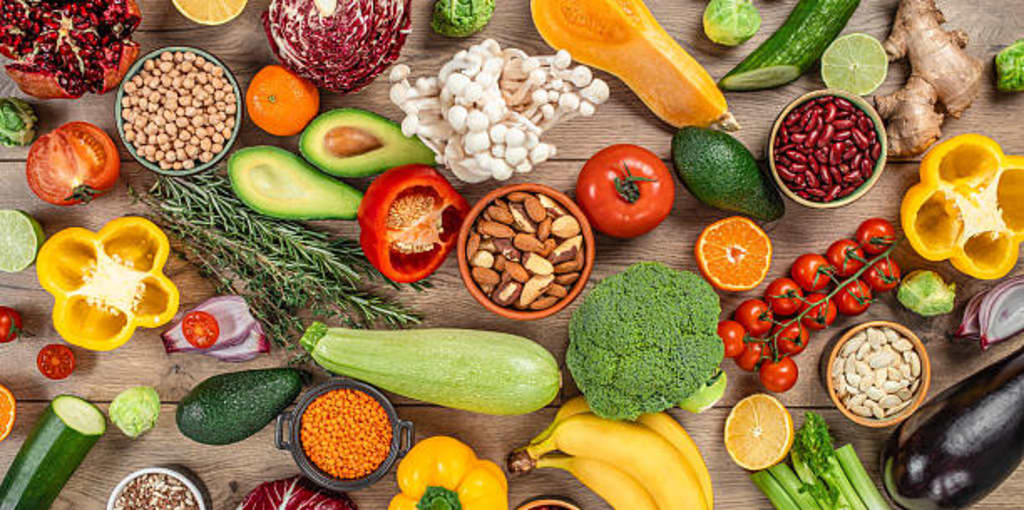
Preventive healthcare is steadily shifting from clinic-centered interventions to kitchen-centered habits. At the heart of this shift is a simple idea: what we eat every day can influence how our bodies resist disease, recover from stress, and age over time. “Superfoods” is a popular term for ingredients dense in vitamins, minerals, fiber, healthy fats, and bioactive compounds. While no single food is a cure-all, consistent inclusion of these nutrient-rich choices can meaningfully support immunity, metabolism, brain function, and long-term vitality.
This article explores how superfoods market, backed by nutritional science, are helping people build a preventive approach to health - one meal at a time.
Food as the First Prescription
Preventive care begins before symptoms appear. Diets rich in colorful plants, quality proteins, and fermented foods supply antioxidants, polyphenols, omega-3 fats, and probiotics that help the body maintain balance. These compounds reduce oxidative stress, calm chronic inflammation, and support cellular repair. Over months and years, these small daily inputs can lower the likelihood of lifestyle-related conditions and improve resilience against infections and fatigue.
Rather than focusing on restriction, a preventive plate emphasizes addition: more greens, more berries, more seeds, more fermented foods, and more diversity overall.
Antioxidants and Anti-Inflammatory Allies
Many chronic issues share a common thread: low-grade, persistent inflammation. Superfoods such as turmeric, berries, leafy greens, garlic, and extra-virgin olive oil contain antioxidants and anti-inflammatory compounds that help counter this process.
• Turmeric provides curcumin, studied for its role in modulating inflammatory pathways.
• Berries are rich in anthocyanins that protect cells from oxidative damage.
• Leafy greens deliver folate, magnesium, and carotenoids that support vascular and eye health.
• Olive oil and garlic contribute heart-friendly fats and sulfur compounds linked to immune support.
Together, these foods form a dietary pattern associated with better cardiovascular, metabolic, and cognitive outcomes.
Gut Microbiome: The Hidden Control Center
Inside the digestive tract lives a complex ecosystem of microbes that influence immunity, mood, and nutrient absorption. Fermented foods like yogurt, kefir, kimchi, and sauerkraut introduce beneficial bacteria, while fiber-rich foods such as oats, legumes, apples, bananas, chia, and flax feed these microbes.
A well-nourished microbiome is linked to improved digestion, stronger immune responses, and even better mental well-being. Superfoods that combine probiotics and prebiotics help maintain this inner balance, turning gut care into a cornerstone of prevention.
Brain Health and Cognitive Longevity
Nutrients from certain superfoods directly support the brain. Omega-3 fatty acids from fatty fish, walnuts, and seeds contribute to neuronal structure. Dark leafy greens and berries are associated with slower cognitive decline due to their antioxidant profiles. Cocoa, green tea, and spices like rosemary contain compounds studied for memory and focus.
Regular inclusion of these foods may help preserve clarity, concentration, and mood across the lifespan - an increasingly important goal as people live longer.
Metabolic Balance and Steady Energy
Blood sugar spikes and crashes can strain the body over time. Superfoods high in fiber, healthy fats, and plant proteins - such as lentils, quinoa, nuts, seeds, and avocados - slow digestion and promote steady energy release. Cinnamon and apple cider vinegar are often explored for their role in glycemic control when paired with balanced meals.
By stabilizing energy and satiety, these foods reduce overeating, support healthy weight management, and contribute to long-term metabolic health.
Immunity by Design
A resilient immune system depends on micronutrients and phytonutrients working together. Citrus fruits, kiwi, and bell peppers supply vitamin C. Nuts and seeds add zinc and vitamin E. Mushrooms such as shiitake and maitake contain beta-glucans studied for immune modulation. Ginger, honey, and lemon are traditional allies during seasonal challenges.
Layering these foods into daily routines helps the body prepare for, rather than merely react to, environmental stressors.
Skin, Aging, and Cellular Protection
Skin often reflects internal health. Foods rich in vitamin A (carrots, sweet potatoes), vitamin C (citrus, berries), and healthy fats (avocado, nuts) support collagen formation and protect against oxidative damage. Green tea polyphenols and tomato lycopene are researched for their role in defending skin from environmental stress.
Over time, these nutrients contribute to healthier skin, hair, and a slower visible aging process.
Personalized Nutrition and Everyday Practicality
Preventive nutrition is most effective when it is sustainable. Not everyone needs the same superfoods in the same amounts. Age, activity level, climate, and cultural food habits all matter. The practical approach is to build meals around diversity:
• Add a handful of greens to lunch and dinner.
• Include a fermented food daily.
• Rotate berries, seeds, and legumes through the week.
• Use spices like turmeric and ginger regularly.
• Replace refined snacks with nuts, fruit, or yogurt.
Small, repeatable habits create cumulative benefits without requiring drastic changes.
Sustainability and the Future Plate
Many superfoods - such as legumes, seeds, seaweeds, and seasonal produce - have a lower environmental footprint compared to heavily processed options. Choosing these foods supports not only personal health but also ecological balance. Upcycling ingredients, reducing waste, and valuing plant diversity align preventive nutrition with planetary well-being.
A Preventive Mindset Rooted in Daily Choices
Superfoods are not exotic miracles; they are often simple, accessible ingredients used consistently and thoughtfully. Preventive healthcare does not begin with a prescription pad but with everyday meals that nourish, protect, and restore.
By embracing antioxidant-rich plants, fiber for the microbiome, healthy fats for the brain, and micronutrients for immunity, individuals can shape a future where health is maintained proactively. Over time, these choices compound - quietly strengthening the body’s defenses and improving quality of life.
About the Creator
Sonpal Singh
Experienced market research specialist proficient in evaluating industry trends, consumer patterns, and competitive dynamics, with a strong ability to translate data into practical insights that inform strategic decisions.
Keep reading
More stories from Sonpal Singh and writers in Futurism and other communities.
Future of Mobile Gaming Industry in a World Powered by Cheap Data and 5G
A teenager sits on the edge of a crowded bus, thumb gliding across a screen. No downloads. No waiting. A vast fantasy world opens instantly, alive with other players from cities and villages miles away. The bus rattles over potholes, signal bars flicker, but the game never stutters. Battles unfold in real time. Voices of teammates flow through earbuds without delay. It feels less like playing a game and more like stepping into a living place that exists everywhere at once.
By Sonpal Singh35 minutes ago in Futurism
UAE Residential Real Estate Market Analysis: Industry Overview, Key Players & Future Outlook
According to IMARC Group's latest research publication, UAE residential real estate market size reached USD 19.63 Billion in 2025. The market is projected to reach USD 35.54 Billion by 2034, exhibiting a growth rate of 6.82% during 2026-2034. Condominiums and apartments dominate with 73% market share, while Dubai leads regionally with 44% share.
By Abhay Rajput4 days ago in Futurism
How Much Does It Cost to Launch a Person Into Space — and Why Is It Getting Cheaper?
Picture this: you hand over a check large enough to buy dozens of apartments in a major city. In return, you get a nine-minute ride. That's it. Nine minutes of sheer, stomach-dropping wonder before you're back on the ground. Sounds absurd? It was the reality of space travel not so long ago — and right now, the entire equation is being rewritten.
By Holianyk Ihor3 days ago in Futurism


Comments
There are no comments for this story
Be the first to respond and start the conversation.