
How Long Will It Last? A Dive into SSD and HDD Durability.
The Lifespan Showdown: SSDs vs. HDDs Unveiled
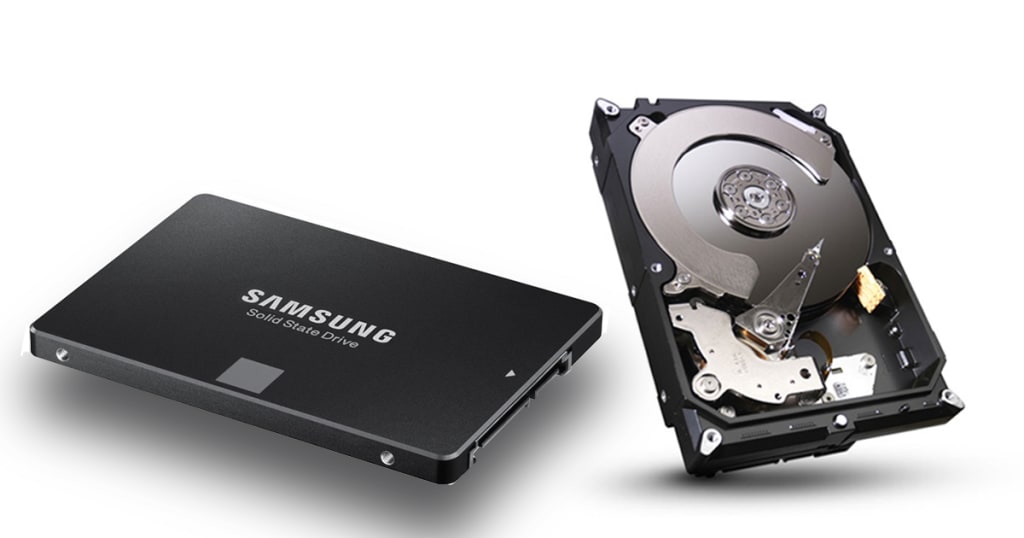
SSD and HDD Durability
In our rapidly digitizing world, our memories, work, and entertainment often reside in SSDs and HDDs. You may have wondered which can stand the test of time better. That's precisely what we'll explore today - SSD vs HDD durability. By the end of this article, you'll have a clear picture of which storage device might be your long-term companion.
Understanding the Basics: What Are SSD and HDD?
SSD: The New Age Storage Solution
Imagine a library without any moving ladders or librarians rushing about. Instead, every book you wish for appears right in front of you. That's the magic of SSDs. These devices use NAND-based flash memory, a fancy term for super-fast access to your data without moving parts. So, less wear and tear and more speed!
HDD: The Traditional Workhorse
Let's go back to our library. HDDs are like traditional libraries. There's a system with spinning disks and a 'librarian' (read/write head) that fetches data. They might seem old-school next to SSDs, but they've been around for so long because they're reliable in their own right.
SSD vs HDD Durability: Which Lasts Longer?
It's like comparing apples and oranges. While SSDs might have a more predictable life based on how often you write or delete data, HDDs can surprise you with their longevity, especially if they're kept safe from any drops or bumps.
SSDs have a "shelf life," often determined by how often you can write and erase data. But for the average user, this number is so high that by the time you reach it, you might already be looking at buying a new computer!
HDDs, with their spinning parts, can be like antique watches. They can keep ticking away longer than expected with reasonable care and some luck.
Factors Influencing SSD Longevity vs. HDD
Just like you'd take care of a pet, some specific environments and practices can extend or shorten the lifespan of your SSD or HDD:
Usage Patterns: Think of your device as a marathon runner. Constantly making them sprint might wear them out faster. Regularly writing and erasing data on an SSD can reduce its lifespan, while HDDs are more resilient.
Environment: Have you ever dropped your phone and felt your heart stop? Similar feelings with HDDs. A good jolt or drop can damage them. SSDs are more unflappable since they don't have moving parts.
Heat: Neither SSDs nor HDDs are fans of the heat. Too much warmth, and you might find them deteriorating faster than usual.
The Real-World Lifetime of SSD vs. HDD
An SSD can be your trusty sidekick for anywhere between 5 to 10 years, if not more. It largely depends on how you use it. HDDs, on the other hand, can vary more. They might last 3 to 5 years, but with some TLC, they've been known to go on for a decade or even longer.
Common Myths Debunked: Separating Fact from Fiction
The realm of digital storage has seen a lot of innovations, and with these advancements come myths that often cloud judgments. Here, we will dissect some of the most common misconceptions about SSDs and HDDs.
Myth 1: SSDs are like shooting stars – bright but short-lived.
The Origin: This myth probably stems from the early days of SSD technology. Initially, SSDs had limited write and erase cycles. In essence, every cell within the SSD can only be written and erased a certain number of times before it becomes unreliable.
The Reality: Over the past decade, SSD technology has increased. With advancements in NAND technology, wear-leveling techniques, and improved manufacturing processes, modern SSDs are more robust than ever. Moreover, most consumer-grade SSDs come with enough write and erase cycles to last several years, often outlasting the usable life of the device they're in. Plus, without moving parts to wear out or become damaged, SSDs can offer longevity often on par with, if not better than, their HDD counterparts under typical usage patterns.
Myth 2: Old is gold; since HDDs have been around longer, they're sturdier.
The Origin: Hard Disk Drives (HDDs) have been the cornerstone of data storage for decades. Their long-standing history in computing might give the impression of unmatched reliability.
The Reality: While HDDs have proven their worth over time, calling them categorically sturdier than SSDs is a stretch. HDDs consist of moving parts – spinning platters and moving read/write heads. These mechanical components can be sensitive to shocks and physical trauma. A sharp jolt, a drop, or prolonged vibrations can potentially harm an HDD, leading to data loss. In contrast, SSDs, being solid-state, don't have moving parts that are susceptible to physical shocks in the same way. Hence, while HDDs have demonstrated resilience over the years, their mechanical nature makes them inherently more vulnerable to certain types of damage than SSDs.
Conclusion
The age-old debate of SSD vs. HDD durability can be likened to choosing between a sports car and a classic sedan. Both have their unique strengths. SSDs dazzle with speed and resilience, while HDDs impress with their tried-and-tested reliability. Your choice should reflect your needs, budget, and how you plan to use it. And remember, no matter which you choose, a little care goes a long way!
About the Creator
Keep reading
More stories from David watson and writers in Futurism and other communities.
Building PC Tips: Avoid Common Mistakes and Maximize Performance
Diving into the realm of PC construction can initially seem like a daunting endeavor. With a plethora of components to choose from and a multitude of options at every turn, determining a starting point can be quite the challenge. Yet, by leveraging the right building PC tips, not only can you streamline the entire building journey, but you can also sidestep usual blunders and elevate your computer's efficiency to new heights.
By David watson3 years ago in Futurism
Europe Creator Economy Market worth USD 112.42 Billion By 2034
Europe Creator Economy Market Overview The Europe Creator Economy Market is projected to reach approximately USD 112.42 Billion by 2034, increasing from USD 14.3 Billion in 2024, reflecting a strong CAGR of 22.9% during the forecast period from 2025 to 2034.
By Roberto Crum5 days ago in Futurism
Why Didn't Anyone Tell Us
Men, move along. This is not for you. This is for the women. I was forty-five when I began menopause. It is pretty young for that to be going on in a woman’s life, but I had undiagnosed PCOS, my entire life. Thank you to all the gynecologists I had seen my entire life. That in itself should encourage women to keep seeking second opinions, especially when you are not getting correct answers or any at all.
By Alexandra Grant5 days ago in Humans




Comments
There are no comments for this story
Be the first to respond and start the conversation.