
GCC Perfume Market: Premium Fragrances, Brand Innovation & Expanding Consumer Trends
The GCC Perfume Market is witnessing rapid growth as premium fragrances, innovative brand strategies, and evolving consumer preferences reshape demand across the region.

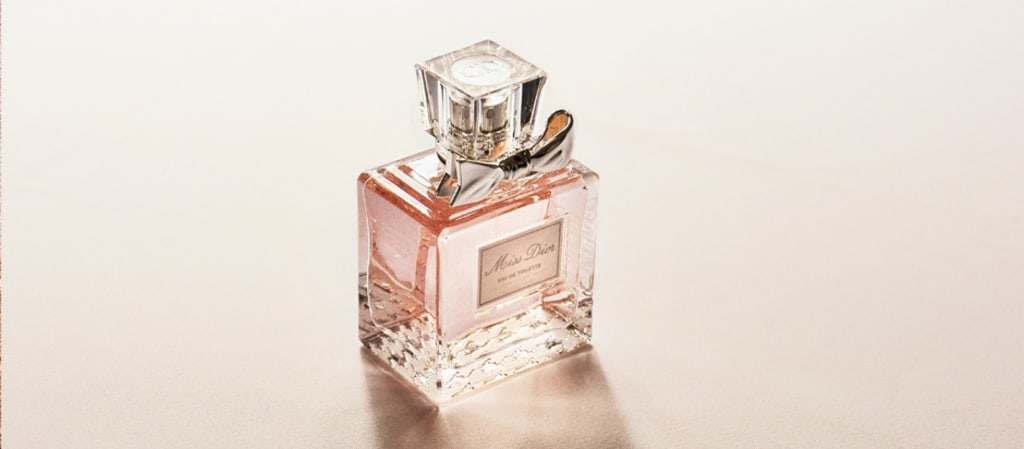
The Gulf Cooperation Council (GCC) perfume market is experiencing remarkable growth, fueled by a unique blend of cultural tradition, rising affluence, and evolving consumer preferences. Fragrances have always held a special place in Arabian culture—deeply embedded in daily rituals, religious practices, and social customs. From traditional oud, attars, and bakhoor to contemporary luxury blends, perfumes in the region represent far more than personal grooming; they are symbols of identity, hospitality, and heritage.
Today, the GCC stands as one of the most dynamic fragrance markets globally. Consumers in Saudi Arabia, the UAE, Kuwait, Qatar, Oman, and Bahrain are known for applying perfumes multiple times daily—often two to four applications—reflecting how integral fragrances are to everyday life. This cultural foundation, combined with high disposable incomes and a luxury-oriented lifestyle, has positioned the region as a powerhouse for both local manufacturers and international fragrance houses seeking growth opportunities.
How AI is Reshaping the Future of the GCC Perfume Market
Artificial intelligence is transforming how perfumes are created, marketed, and sold across the GCC—and the impact is only beginning to unfold.
AI-Powered Fragrance Development: Leading fragrance houses are now using AI to accelerate scent creation. Givaudan's Carto platform, for instance, helps perfumers visualize complex scent combinations in real-time, enabling faster innovation and fewer formulation errors. Meanwhile, companies like NotCo and Cramer introduced an AI-powered fragrance formulator in October 2024 that can generate unique scent formulations in seconds—reducing development timelines from months to mere moments. In several trials, AI-generated fragrances were approved as market-ready on the first attempt.
Personalization at Scale: AI and machine learning are enabling brands to analyze consumer data and recommend fragrance combinations based on individual preferences, mood, or occasion. This hyper-personalization resonates strongly with GCC consumers, particularly younger demographics who seek unique scents that reflect their personality.
Functional and Wellness Fragrances: International Flavors & Fragrances (IFF) is harnessing AI to develop scents that align with wellness goals—such as stress reduction or improved sleep. Their AI models evaluate emotional and physiological reactions to scent compounds, positioning fragrance as part of daily health and wellness routines.
Luxury Meets Algorithm: Even high-end brands are embracing the technology. Tom Ford's Bois Pacifique was created using AI, marking one of the first luxury fragrances developed with machine assistance—proving that algorithms can support prestige perfumery without diluting brand identity.
Grab a sample PDF of this report: https://www.imarcgroup.com/gcc-perfume-market/requestsample
Market Segmentation
The GCC perfume market has been segmented based on Price, Gender, Product, and Region:
By Price:
● Premium Products (Dominant segment)
● Mass Products
By Gender:
● Unisex (Leading segment)
● Female
● Male
By Product:
● Arabic (Dominant segment)
● French
● Others
By Region:
● Saudi Arabia (Largest market share)
● UAE
● Kuwait
● Others
Key Trends Shaping the GCC Perfume Market
1. The Rise of the "Fragrance Wardrobe" GCC consumers are increasingly curating collections of scents for different occasions, moods, and times of day. This philosophy is reshaping how brands design and price their collections. Ajmal Perfumes has embraced this trend by offering flexible formats like minis and Tawziyat sets—particularly popular during Ramadan and Eid gifting seasons.
2. Niche and Artisanal Fragrances Gaining Ground Sales of niche fragrances in the region are growing at approximately 20% annually, with private collections and artisanal offerings now representing nearly one-third of the fragrance category. In 2024, FARIDAH—a brand founded by Faridah F. Ajmal—debuted in Dubai with collections featuring natural ingredients, artisanal craftsmanship, and halal formulations.
3. E-Commerce Transformation Online retail is the fastest-growing distribution channel, projected to expand at a 6.13% CAGR through 2030. In the UAE, online retail sales are expected to increase from USD 11 billion in 2024 to nearly USD 19 billion by 2029. Social commerce via Instagram, TikTok, and WhatsApp is also reshaping how consumers discover and purchase fragrances.
4. Sustainability Takes Center Stage The global organic perfume market is estimated at USD 7.5 billion in 2025, with sustainable packaging growing at a 6% CAGR through 2027. In the GCC, the clean beauty market is expected to reach USD 2.6 billion by 2025, with Gen Z consumers—who make up about 15% of the Middle Eastern population—driving demand for eco-friendly, vegan, and cruelty-free products. Brands are responding with recyclable materials, refillable bottles, and responsibly sourced ingredients.
5. Unisex Fragrances Breaking Boundaries Unisex perfumes now lead the market by gender segment, reflecting changing societal attitudes toward personal expression. These fragrances feature versatile, neutral scent profiles—fresh citrus, woody undertones, and floral accords that appeal universally.
Growth Factors Driving Market Expansion
Cultural Foundation and Personal Grooming Perfumes are considered essential in GCC daily life, used in traditional rituals and personal grooming. The rising focus on maintaining hygiene, boosting confidence, and projecting professionalism continues to fuel demand across all demographics.
Thriving Tourism Industry GCC tourism contributed USD 247.1 billion to the regional economy in 2024—a 32% increase compared to 2019. Saudi Arabia alone welcomed a record 30 million international visitors in 2024, generating approximately USD 75.7 billion in tourism spending. Tourists frequently purchase perfumes as luxury gifts that encapsulate their travel experiences, driving significant sales through duty-free retail channels in Dubai, Riyadh, and Doha.
Government Support and Vision 2030 Saudi Arabia's Vision 2030 initiative is actively promoting non-oil sectors, including beauty and fragrance manufacturing. The government allocated USD 50 million in 2024 for developing local cosmetic and fragrance brands. The UAE's "Make it in the Emirates" campaign similarly offers incentives for localized manufacturing, nurturing the growth of regional fragrance houses.
Young, Affluent Consumer Base Over half of Saudi Arabia's population is under 30, and this youthful demographic is highly engaged with beauty trends through social media. Female workforce participation has reached 36.2%, boosting purchasing power and demand for premium personal care products. Average monthly disposable income for Saudi families reached approximately USD 4,814, supporting robust spending on luxury fragrances.
Competitive Landscape:
The competitive landscape of the industry has also been examined along with the profiles of the key players.
● Ajmal
● TFK
● Rasasi
● Arabian Oud
● Abdul samad Al qurashi
These market leaders are investing heavily in research and development to create innovative fragrance blends, experimenting with diverse ingredients, and blending modernity with tradition. Many are releasing limited-edition collections to create excitement and exclusivity, while increasingly focusing on sustainability through eco-friendly packaging and responsibly sourced ingredients.
Recent News and Developments
● October 2024: Ajmal Perfumes launched three new fragrances—Golden Hawk, Blue Hawk, and Feather Blossom—exclusively in the UAE, designed to represent elegance and sophistication while honoring the region's appreciation for luxurious scents.
● November 2024: Luxury fragrance label Nisara partnered with Beauty Brands Global DMCC to serve as its sole distributor in the UAE, aiming to enhance brand visibility and establish strong trade networks in the market.
● February 2024: FARIDAH, founded by oriental perfume expert Faridah F. Ajmal, introduced her home-grown fragrance brand in Dubai, featuring the ELEMENTS collection inspired by Fire, Earth, Water, and Air.
● October 2024: Estée Lauder Companies announced a sustainable glass packaging initiative based on comprehensive recyclability studies, aiming to improve the environmental footprint of their perfume containers.
● February 2024: Coty partnered with French startup Êverie to launch a touchless fragrance tester—a hygienic, contact-free device that enables consumers to sample perfumes without direct skin contact, revolutionizing in-store fragrance experiences.
● 2024: Arabian Oud expanded its global presence to over 1,200 stores across 37 countries, while Rasasi Perfumes grew its footprint to 165 elegantly designed stores across the GCC region. Ahmed Al Maghribi Perfumes is also expanding its network across the GCC, Far East, Europe, and North America.
Regional Analysis
Saudi Arabia currently dominates the GCC perfume market, accounting for the largest share in 2024. The kingdom's leadership is driven by its burgeoning tourism sector, strong fragrance consumption culture, rising disposable incomes, and retail expansion aligned with Vision 2030 objectives.
The UAE serves as a regional hub for luxury brands and high-end retail experiences, particularly in Dubai and Abu Dhabi. The UAE perfume market reached approximately USD 749 million in 2024, with strong demand for oud-fusion products and experimental blends.
Bahrain is poised for the highest growth rate, projected at 6.48% CAGR through 2030, driven by increasing consumer awareness and product availability.
Conclusion
The GCC perfume market represents one of the most culturally significant and commercially dynamic fragrance markets in the world. With strong foundations in heritage, robust economic growth, expanding tourism, and technological innovation through AI, the region offers substantial opportunities for both established players and new entrants. As consumers continue to embrace personalization, sustainability, and luxury, the market is well-positioned for sustained growth through 2033 and beyond.
About the Creator
Abhay Rajput
I am working in market research company that provides market and business research intelligence across the globe.
Keep reading
More stories from Abhay Rajput and writers in Futurism and other communities.
Saudi Arabia Hot Sauce Market: Flavor Innovation, Rising Demand & New Trends
Saudi Arabia's hot sauce market is experiencing solid growth as the Kingdom's food culture evolves and consumer preferences shift toward bolder, spicier flavors. According to IMARC Group's latest research publication, The Saudi Arabia Hot Sauce Market size reached USD 50.77 Million in 2024. Looking forward, IMARC Group expects the market to reach USD 75.18 Million by 2033, exhibiting a growth rate of 4.46% during 2025-2033. This growth reflects several key shifts in Saudi dining habits: rising interest in global cuisines, expanding foodservice infrastructure, and changing consumer attitudes toward health-conscious condiments. IMARC highlights how the proliferation of quick-service restaurants, increasing social media influence, and a younger demographic's adventurous palate are driving this spicy transformation.
By Abhay Rajput2 months ago in Futurism
About Binding Prometheus
I want to start actively advocating on behalf of my own work, and the most valuable part of my canon is, without a doubt, Binding Prometheus, the play I have been working on since 2019 and only finished in 2023 as part of my MA. The play itself is an amalgamation of a million different inspirations. On one end, it evokes the Ancient Greek myth-play, deriving its own title from the earliest extant work of Western drama we have, Aeschylus’s Prometheus Bound. On the other end, it borrows significantly from the sci-fi bulwarks from over the years, namely Mary Shelley’s Frankenstein and Karel Capek’s Rossum’s Universal Robots. The play could be an episode of Black Mirror, I fear. I don’t know. I’ve only ever seen one episode of Black Mirror.
By Steven Christopher McKnight19 days ago in Futurism
Hydrogen Generation Market: Blue, Green & Gray Hydrogen Pathways & Global Supply Dynamics
According to IMARC Group's latest research publication, global hydrogen generation market size reached USD 181.4 Billion in 2025. Looking forward, IMARC Group expects the market to reach USD 279.8 Billion by 2034, exhibiting a growth rate (CAGR) of 4.93% during 2026-2034.
By sujeet. imarcgroupabout 22 hours ago in Futurism


Comments
There are no comments for this story
Be the first to respond and start the conversation.