
From Sci-Fi to Reality: The Rise of Artificial Intelligence
Embracing the AI Revolution: From Sci-Fi Dreams to Real-World Wonders

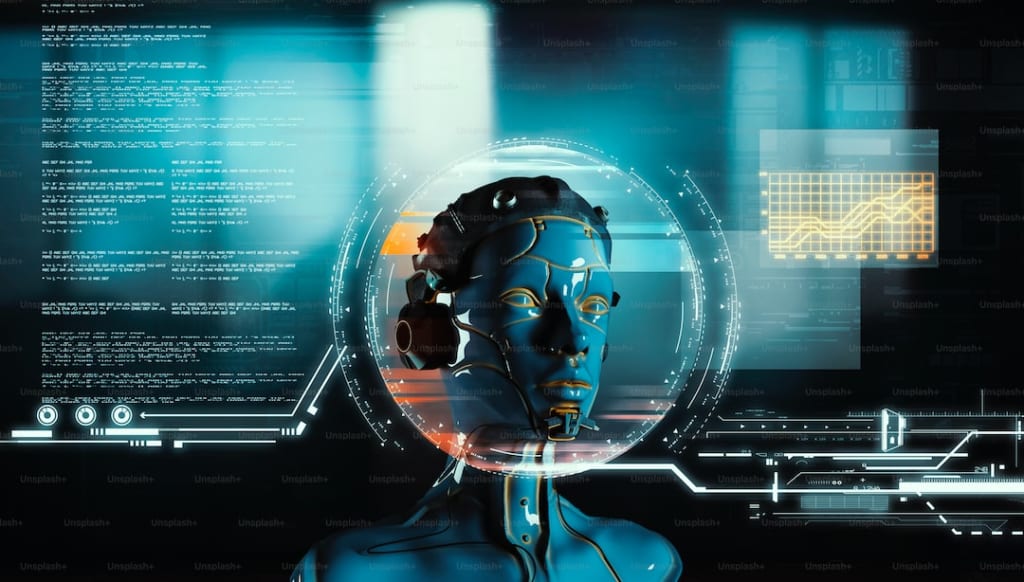
Introduction to AI
Artificial Intelligence (AI) has become one of the most fascinating topics of our time. From science fiction movies to real-life applications, AI has taken the world by storm. But what exactly is AI? In simple terms, AI refers to the ability of machines to imitate human intelligence and perform tasks that would typically require human intelligence. This technology has evolved rapidly over the years, and its impact on various industries is undeniable. In this article, we will explore the evolution of AI technology, its impact on different sectors, the benefits of AI in everyday life, real-life examples of AI in action, the ethical implications of AI, its future advancements, and how you can get started with AI technology.
The Evolution of AI Technology
The concept of AI has been around for decades, but it was only in recent years that significant advancements started taking place. It all began with the development of computers and the idea of creating machines that could think and learn like humans. The field of AI gained momentum in the 1950s when researchers started exploring the possibilities of creating intelligent machines. However, progress was slow due to limitations in computing power and the lack of data.
Fast forward to the present day, and AI has come a long way. Thanks to advancements in computing power, machine learning algorithms, and the abundance of data, AI technology has become more sophisticated than ever before. From self-driving cars to voice assistants like Siri and Alexa, AI has become an integral part of our daily lives. Companies like Google, Amazon, and Tesla are investing heavily in AI research and development, pushing the boundaries of what is possible.
The Impact of AI on Various Industries
AI has the potential to revolutionize almost every industry, and its impact is already being felt across sectors. In healthcare, AI is being used to analyze medical images, predict diseases, and develop personalized treatment plans. In finance, AI algorithms are being employed to detect fraudulent activities and make better investment decisions. In manufacturing, AI-powered robots are increasing productivity and efficiency. The possibilities are endless, and as AI technology continues to advance, we can expect even more significant changes in the future.
Common Misconceptions about AI
With all the hype surrounding AI, it's essential to address some common misconceptions. One of the most common misconceptions is that AI will replace humans in the workforce. While it is true that AI can automate certain tasks, it is unlikely to replace humans entirely. Instead, AI is more likely to augment human capabilities, allowing us to focus on higher-level tasks that require creativity and critical thinking. Another misconception is that AI is infallible and can make decisions without any bias. However, AI systems are only as good as the data they are trained on, and biases in data can lead to biased outcomes. It is crucial to be aware of these misconceptions and have a balanced understanding of AI.
The Benefits of AI in Everyday Life
AI has already made our lives easier in many ways. Voice assistants like Siri and Alexa can answer our questions, play our favorite music, and even control our smart home devices. AI algorithms power recommendation systems on platforms like Netflix and Amazon, providing personalized suggestions based on our preferences. AI-based navigation systems help us find the fastest route to our destination, taking into account real-time traffic data. The benefits of AI in everyday life are numerous, and as the technology continues to advance, we can expect even more convenience and efficiency in our daily routines.
Real-life Examples of AI in Action
To truly appreciate the impact of AI, let's look at some real-life examples of AI in action. One remarkable application of AI is in the field of healthcare. AI algorithms can analyze medical images such as X-rays and MRIs, helping doctors detect diseases like cancer at an early stage. AI chatbots are being used in mental health care to provide support and assistance to individuals in need. In the transportation sector, companies like Tesla are developing self-driving cars that use AI to navigate through traffic and make split-second decisions to ensure passenger safety. These examples demonstrate how AI is transforming various industries and improving the quality of our lives.
The Ethical Implications of AI
As AI technology becomes more prevalent, it raises important ethical considerations. One of the main concerns is privacy. AI systems collect massive amounts of data, and there is a risk of this data being misused or falling into the wrong hands. There are also concerns about job displacement and the impact of AI on employment. As AI automates certain tasks, there is a possibility of job loss in certain industries. It is essential to address these ethical implications and develop regulations and policies to ensure the responsible and ethical use of AI.
The Future of AI and Its Potential Advancements
The future of AI is incredibly promising. As technology continues to advance, we can expect AI to become even more intelligent and capable. One area of AI that holds great potential is deep learning, a subset of machine learning that focuses on neural networks. Deep learning algorithms can learn from vast amounts of data and make complex decisions. This opens up possibilities for advancements in areas such as natural language processing, computer vision, and robotics. The development of AGI (Artificial General Intelligence), which would possess human-like general intelligence, is also a topic of ongoing research. While there are still many challenges to overcome, the future of AI looks bright.
How to Get Started with AI Technology
If you're interested in exploring AI technology, there are several ways to get started. One option is to take online courses or attend workshops that provide an introduction to AI and machine learning. These courses often cover the basics of AI algorithms, data preprocessing, and model training. Another way to get started is by experimenting with AI tools and platforms. Companies like Google and Microsoft offer AI platforms that allow users to build and deploy AI models without extensive coding knowledge. By getting hands-on experience and continuously learning, you can start harnessing the power of AI in your own projects.
Conclusion: Embracing the Future with AI
AI is no longer just a concept from science fiction movies; it has become a reality that is shaping our world. From healthcare to finance, AI is transforming industries and improving our lives in ways we never thought possible. While there are ethical considerations and challenges to address, the future of AI is undeniably exciting. By embracing AI and understanding its potential, we can harness its power to create a better future for all. So let's embrace the future with AI and be a part of this incredible technological revolution!
About the Creator
Ahmed D.
Hey there!
I'm a tech enthusiast who loves exploring diverse topics and even poetic expressions.
Join me on this journey of curiosity and creativity as we dive into fascinating worlds together! 🌟📚🔧
About Binding Prometheus
I want to start actively advocating on behalf of my own work, and the most valuable part of my canon is, without a doubt, Binding Prometheus, the play I have been working on since 2019 and only finished in 2023 as part of my MA. The play itself is an amalgamation of a million different inspirations. On one end, it evokes the Ancient Greek myth-play, deriving its own title from the earliest extant work of Western drama we have, Aeschylus’s Prometheus Bound. On the other end, it borrows significantly from the sci-fi bulwarks from over the years, namely Mary Shelley’s Frankenstein and Karel Capek’s Rossum’s Universal Robots. The play could be an episode of Black Mirror, I fear. I don’t know. I’ve only ever seen one episode of Black Mirror.
By Steven Christopher McKnight18 days ago in Futurism
Singapore Electronic Paper Display Market Driven by Innovation and Investments
The Singapore electronic paper display market has reached USD 47.6 Million in 2024 and is set to experience remarkable expansion over the next decade. According to a new market research report by IMARC Group, the market is projected to reach USD 436.3 Million by 2033, reflecting a compound annual growth rate (CAGR) of 24.8% during 2025-2033.
By Abhishek Dixit7 days ago in Futurism




Comments
There are no comments for this story
Be the first to respond and start the conversation.