
Four-eyed motherland
African Countries That Have Built Their Own Satellites

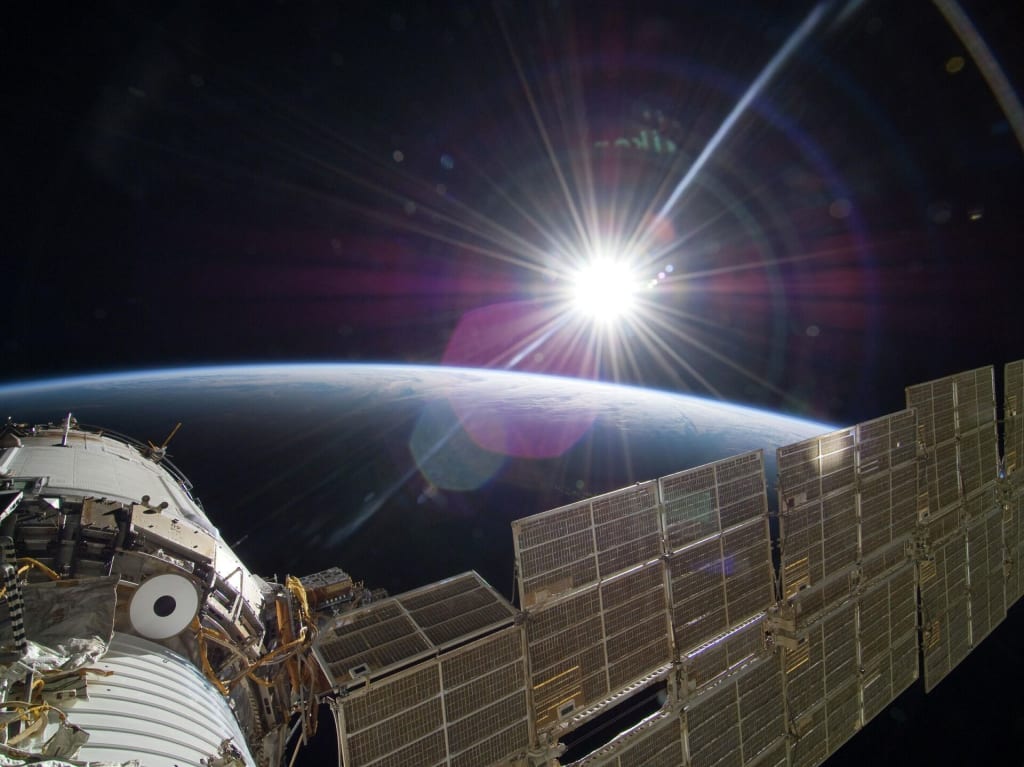
The realm of space has long captivated human imagination, and today, it stands as a testament to our technological advancements. While superpowers initially dominated space exploration, African nations have increasingly made their mark in this arena. With growing interest in space technology, several African countries have successfully built and launched their own satellites, showcasing their scientific and technological prowess. Here’s a look at the African countries that have ventured into space with their own satellites.
South Africa
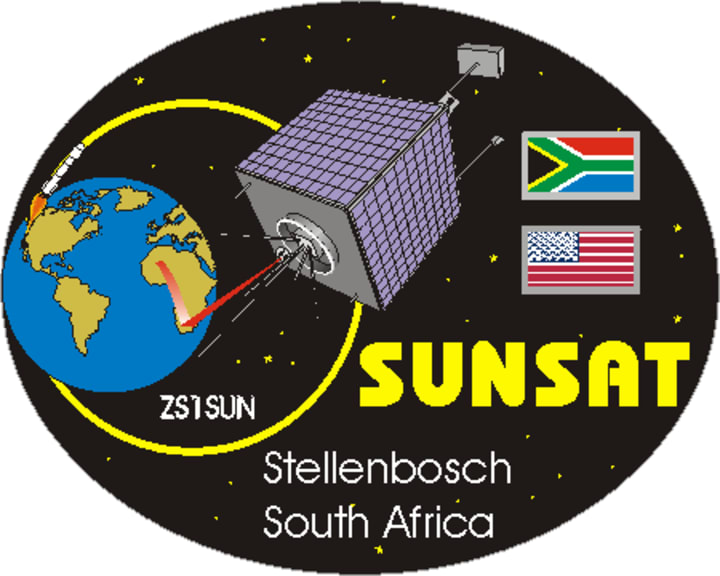
South Africa has been a pioneer in African space technology. The country launched its first satellite, SunSat, in 1999, marking a significant milestone in its space endeavors. SunSat, a small satellite developed by the University of Stellenbosch, was primarily used for educational and technological research purposes. South Africa's ambition didn't stop there. In 2018, the nation successfully launched ZACUBE-2, a nanosatellite aimed at enhancing communication capabilities and supporting the development of space technology. This satellite is part of the broader South African National Space Agency (SANSA) initiatives to advance space research and satellite technology. The country's investments in space technology reflect its commitment to leveraging satellite capabilities for scientific, educational, and developmental benefits, positioning South Africa as a leader in the African space sector.
Nigeria
Nigeria has made substantial advancements in space technology with several satellite launches. The country's space program began with the launch of NigeriaSat-1 in 2003, which was developed with international collaboration. This satellite was designed to support applications in disaster management, resource monitoring, and environmental management. In 2007, Nigeria launched NigComSat-1, the country's first communication satellite, aimed at improving telecommunications and broadcasting services. Despite facing technical issues, Nigeria successfully launched NigeriaSat-2 in 2011 and NigeriaSat-3 in 2018, continuing its commitment to space technology. These satellites contribute significantly to weather forecasting, earth observation, and telecommunication services. Nigeria's space program reflects its ambition to harness satellite technology for national development and improve its capabilities in various sectors, including agriculture, infrastructure, and security.
Egypt
Egypt's foray into space technology has been marked by significant achievements. The country launched its first satellite, EgyptSat-1, in 2007, with the goal of enhancing earth observation capabilities. Following this, Egypt launched EgyptSat-A in 2019, a satellite designed to improve communication and data collection for scientific research. EgyptSat-A was developed to assist in various applications, including agricultural monitoring, urban planning, and disaster management. The satellite is part of Egypt's broader strategy to leverage space technology for national development and scientific advancement. Egypt's investment in satellite technology underscores its commitment to enhancing its capabilities in space exploration and applications, contributing to the country's progress in scientific research and technological innovation.
Angola
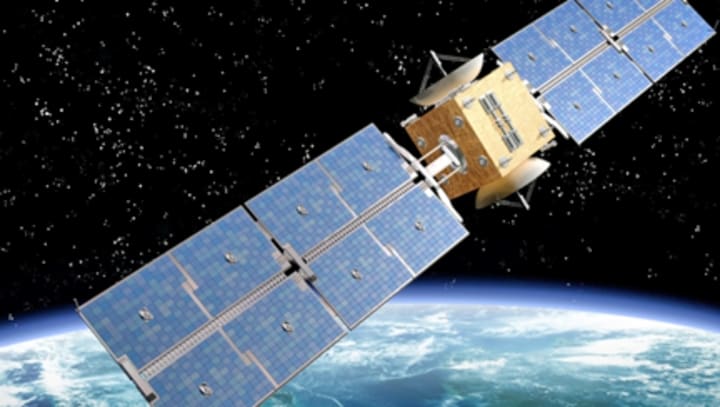
Angola has made notable strides in space technology with the launch of AngoSat-1, its first communications satellite, in 2017. Despite encountering technical challenges shortly after its launch, AngoSat-1 marked a significant achievement for Angola's space program. The satellite was designed to provide telecommunications, broadcasting, and internet services across Angola and the wider region. Its launch represents Angola's commitment to advancing its technological capabilities and improving infrastructure through space technology. The country's investment in AngoSat-1 reflects its ambition to develop a robust space program and leverage satellite technology for economic and social development. Angola continues to explore opportunities in space technology to enhance its capabilities in communications and data management.
Algeria
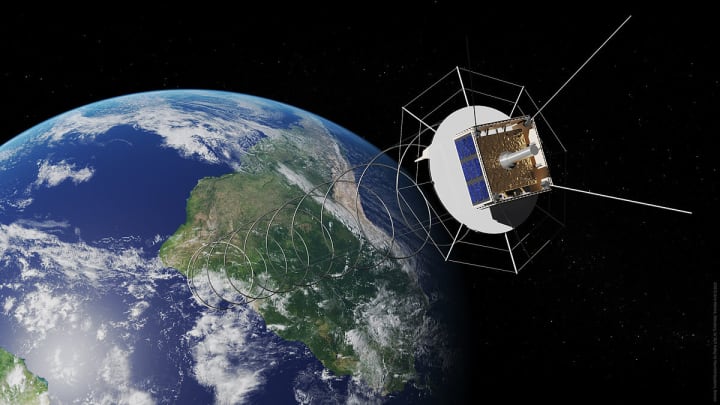
Algeria has been an active participant in the African space sector with the deployment of several satellites. The country launched its first satellite, AlSat-1, in 2004, which was followed by AlSat-2 in 2016. AlSat-1 was developed to support earth observation and remote sensing applications, contributing to environmental monitoring and natural resource management. AlSat-2, an advanced satellite, enhances Algeria's capabilities in earth observation, agriculture, and disaster management. These satellites reflect Algeria's commitment to leveraging space technology for national development and scientific research. The country's space program aims to strengthen its technological infrastructure and contribute to regional and global space initiatives, showcasing Algeria's growing presence in the space sector.
Ethiopia

Ethiopia's entry into the space sector was marked by the launch of ETRS-S1, its first satellite, in 2019. Developed with assistance from China, ETRS-S1 focuses on environmental monitoring and earth observation. The satellite represents Ethiopia's commitment to advancing its technological capabilities and leveraging space technology for national development. ETRS-S1 is designed to support various applications, including agricultural monitoring, disaster management, and urban planning. Ethiopia's investment in space technology reflects its ambition to enhance its scientific and technological infrastructure, contributing to the country's growth in the space sector. The successful launch of ETRS-S1 underscores Ethiopia's dedication to utilizing space technology for sustainable development and research.
Ghana
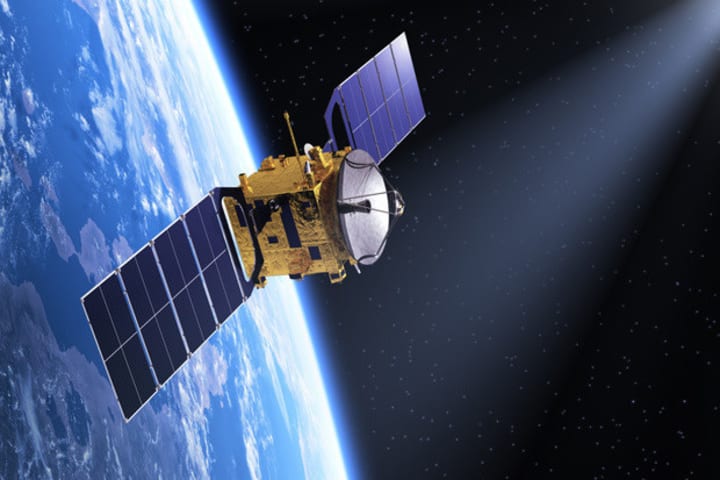
Ghana has made significant strides in space technology with the launch of Ghanasat-1, its first satellite, in 2017. Developed with the support of international partners, Ghanasat-1 is a nanosatellite designed to assist in coastal monitoring and environmental observation. The satellite aims to provide valuable data for managing Ghana's natural resources and supporting scientific research. Ghanasat-1 reflects Ghana's commitment to advancing its technological capabilities and leveraging satellite technology for national development. The successful launch of this satellite highlights Ghana's growing presence in the space sector and its dedication to utilizing space technology for sustainable development and improving its infrastructure.
Kenya
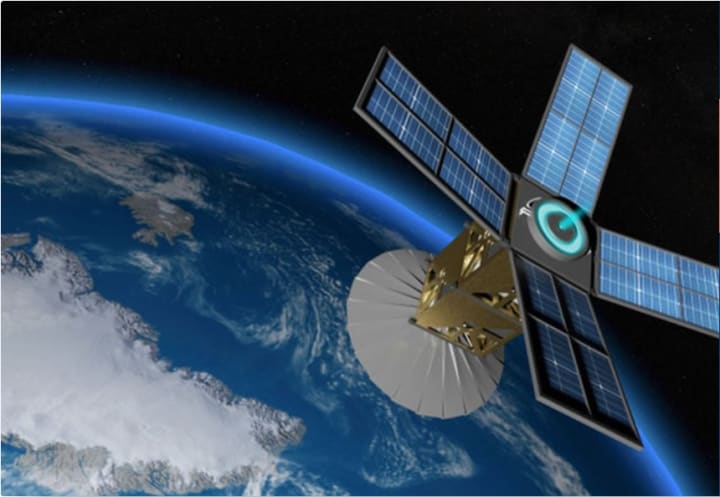
Kenya's space program achieved a significant milestone with the launch of KenSat-1, also known as Taifa-1, in 2018. The launch was made from the Malindi Space Centre, located in Malindi, Kenya. The Malindi Space Centre is a significant site for Kenya's space activities and has been used for various space missions. It is managed by the Kenya Space Agency and represents the country's growing investment in space technology and satellite development. This nanosatellite, developed with the assistance of international partners, was Kenya's first foray into space technology. KenSat-1 was designed to support crucial functions such as weather forecasting, environmental monitoring, and disaster management. The satellite's primary objective is to enhance Kenya's ability to predict weather patterns, monitor agricultural conditions, and manage natural disasters more effectively. The development and launch of KenSat-1 underscore Kenya's commitment to advancing its technological capabilities and contributing to the African space sector. By investing in this satellite, Kenya not only demonstrates its ambition in space science but also enhances its national development prospects through improved data for various sectors. The successful deployment of KenSat-1 marks Kenya's growing role in space exploration and its dedication to leveraging satellite technology for national and continental progress.
Morocco
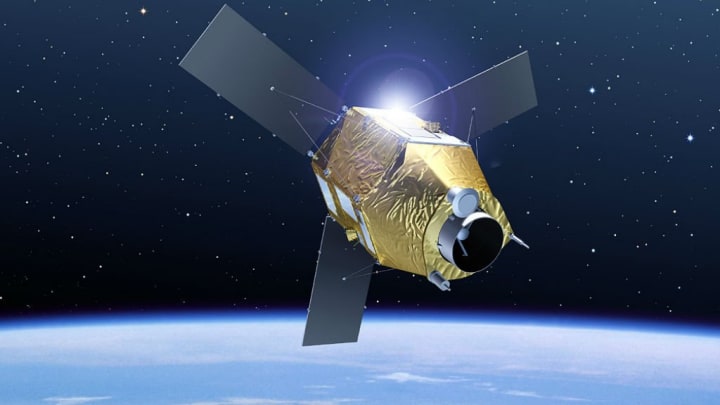
Morocco has established itself as a significant player in space technology with the launch of its Mohammed VI satellites. Mohammed VI-A was launched in 2017, followed by Mohammed VI-B in 2018. These satellites are designed for earth observation and provide valuable data for land management, agriculture, and environmental monitoring. The Mohammed VI satellites enhance Morocco's capabilities in remote sensing and contribute to national development by supporting various applications, including urban planning and disaster management. Morocco's investment in these satellites underscores its commitment to leveraging space technology for scientific and economic advancement. The successful deployment of the Mohammed VI satellites highlights Morocco's growing presence in the African space sector and its dedication to utilizing satellite technology for sustainable development.
What Does This Mean For Africa
The achievements of African countries in building and launching their own satellites have profound implications for the continent. For instance, the successful deployment of satellites by African nations marks a significant leap in technological capability. By developing and launching their own satellites, these countries are advancing their technological infrastructure, which fosters innovation and builds local expertise int space technology. This progress lays the groundwork for future technological advancements and the growth of space-related industries on the continent.
Satellites provide crucial data for various applications, including weather forecasting, environmental monitoring, agriculture, and disaster management. African countries with their own satellites can now access more accurate and timely data, leading to improved services and decision-making. For instance, better weather predictions can aid farmers in planning their crops, while enhanced environmental monitoring can help in managing natural resources and mitigating disasters.
Investments in satellite technology can stimulate economic growth by creating new industries and job opportunities. The space sector can drive economic diversification, attract investment, and support the development of related sectors such as telecommunications, infrastructure, and research. Moreover, successful space programs can enhance a country's global standing and attract international partnerships and collaborations.
The development of space capabilities fosters regional cooperation and integration as well. Countries with advanced space programs can collaborate on joint projects, share data, and contribute to regional initiatives. This cooperation can strengthen ties between nations and create a unified approach to addressing continental challenges, such as climate change and natural disasters.
Satellite programs often involve academic and research institutions, providing students and researchers with hands-on experience in space science and technology. This involvement enhances educational opportunities and helps build a skilled workforce capable of driving future innovations in the space sector and other related fields.
Building and launching satellites is also a source of national pride and demonstrates technological sovereignty. It reflects a country's ability to develop and control its own space assets, reducing dependency on foreign technologies and services. This achievement reinforces national identity and can inspire further investment in science and technology.
Final Thoughts
Africa's burgeoning space programs underscore the continent's commitment to advancing technology and scientific research. By developing and launching their own satellites, countries like South Africa, Nigeria, Egypt, Kenya, and Algeria are not only contributing to global space exploration but also harnessing space technology for practical applications such as weather forecasting, agricultural monitoring, and environmental management.
These strides signify more than just technological achievements; they represent a broader shift towards self-reliance and innovation in Africa. Each satellite launch reflects a nation's dedication to addressing its unique challenges and leveraging space technology for national development. As more African countries join the ranks of space-faring nations, they enhance their ability to gather critical data, respond to disasters, and drive progress in various sectors. This collective effort positions Africa as a rising player in the global space arena, paving the way for future advancements and collaborations.
About the Creator
Horace Was
Essay Writer, Aviation and Technology Expert
Keep reading
More stories from Horace Was and writers in Futurism and other communities.
3D Printing Technology
In the face of global supply chain disruptions, rising labor costs, and increasing competition, the U.S. manufacturing sector is at a crossroads. 3D printing technology, also known as additive manufacturing, offers a potential solution to many of these challenges. By enabling localized production, reducing waste, and providing design flexibility, 3D printing can help revitalize U.S. manufacturing and reshape the industry for the future.
By Horace Was2 years ago in Futurism
Smart Card Market Revenue to Boost Cross USD 29.6 Billion by 2033
Smart Card Market Overview The Global Smart Card Market is projected to reach approximately USD 29.6 Billion by 2033, rising from USD 16.7 Billion in 2023, reflecting a steady CAGR of 5.9% during the 2024 to 2033 forecast period. Growth in this market is supported by the increasing demand for secure authentication systems across banking, telecommunications, government identification, and transportation services.
By Roberto Crumabout 18 hours ago in Futurism
Building Smarter Businesses with Enterprise Software Solutions
In the digital age, businesses are constantly looking for smarter ways to operate, compete, and grow. With increasing competition and rapidly evolving technologies, traditional business tools are no longer enough to manage complex operations. This is where enterprise software solutions play a vital role. By integrating processes, improving data management, and automating workflows, enterprise software is helping organizations become more efficient and future-ready.
By Celine Dionabout 20 hours ago in Futurism
Silken Chains
Silhouettes of the female form were given flesh and bone. Silken skin glistened under the spotlight. Dry ice rose around our Icons as they danced atop their podiums in the Square. Heralded for their beauty, their movements were slight, powerful, and sensual.
By Paul Stewart5 days ago in Fiction



Comments
There are no comments for this story
Be the first to respond and start the conversation.