
Electric Cars vs. Hydrogen Cars: A Comparative Analysis for the Future of Transportation
A Comparative Analysis of Electric Cars and Hydrogen Cars: Evaluating the Path to Sustainable Mobility

Introduction:
The future of transportation holds great potential for sustainable and efficient alternatives to traditional combustion engine vehicles. Among the leading contenders are electric cars and hydrogen cars. This essay aims to explore the key characteristics, advantages, and challenges of both electric and hydrogen cars, providing insights into which option holds greater promise for the future.
I. Electric Cars: Harnessing the Power of Electricity
Electric cars, also known as electric vehicles (EVs), are propelled by electric motors powered by rechargeable batteries. They have gained significant popularity in recent years, primarily due to the following features:
Environmental Impact:
Electric cars produce zero tailpipe emissions, offering a greener alternative to fossil fuel-dependent vehicles. As the electricity grid becomes cleaner, through the use of renewable energy sources, the environmental benefits of electric cars increase further.
Energy Efficiency:
Electric cars boast high energy efficiency compared to internal combustion engine vehicles. Electric motors convert a higher percentage of energy stored in batteries into actual mechanical power, resulting in reduced energy waste.
Charging Infrastructure:
The development of charging infrastructure has been a focus in many regions, making it increasingly convenient to charge electric vehicles. Public charging stations, home charging units, and fast-charging technologies have improved accessibility and reduced concerns about range limitations.
Technological Advancements:
Rapid advancements in battery technology have extended the driving range of electric cars and reduced charging times. Lithium-ion batteries, for instance, offer high energy density and durability, enhancing the practicality of electric vehicles for everyday use.
II. Hydrogen Cars: Utilizing the Power of Hydrogen Fuel Cells
Hydrogen cars, also known as fuel cell electric vehicles (FCEVs), utilize hydrogen gas stored in onboard fuel cells to generate electricity, powering the electric motor. Consider the following aspects of hydrogen cars:
Zero Emissions:
Similar to electric cars, hydrogen cars produce zero tailpipe emissions, as the only byproduct of the hydrogen fuel cell reaction is water vapor. This makes them an attractive option for reducing greenhouse gas emissions and improving air quality.
Rapid Refueling:
Hydrogen cars offer fast refueling times, comparable to traditional gasoline-powered vehicles. This advantage stems from the ability to refill the hydrogen tank in a matter of minutes, providing a familiar refueling experience for consumers.
Extended Driving Range:
Hydrogen cars generally offer a longer driving range compared to electric cars. With larger hydrogen storage capacity, FCEVs can travel greater distances before needing to refuel, addressing range anxiety concerns.
Scalability and Versatility:
Hydrogen can be produced from various sources, including renewable energy through electrolysis, natural gas reforming, or biomass gasification. This versatility allows for potential integration with existing infrastructure and the utilization of diverse energy resources.
III. Considerations for the Future:
While both electric and hydrogen cars present promising solutions for the future, several factors must be considered when deciding which option to prioritize:
Infrastructure Development:
Electric cars have seen significant progress in charging infrastructure, with an extensive network of charging stations. On the other hand, the infrastructure for hydrogen fueling stations is less developed, requiring substantial investment and widespread deployment to support hydrogen cars.
Energy Production and Distribution:
The source of electricity and hydrogen production methods play a critical role in evaluating the environmental impact and sustainability of each option. The transition to renewable energy sources for electricity generation and the development of sustainable hydrogen production methods are crucial for the long-term viability of both electric and hydrogen vehicles.
Technological Advancements and Cost:
Ongoing advancements in battery technology and fuel cell systems will continue to influence the performance, cost, and practicality of electric and hydrogen cars. Factors such as battery life, cost, and the availability of rare materials can affect the affordability and widespread adoption of electric vehicles.
Conclusion:
Electric cars and hydrogen cars offer distinct advantages and face unique challenges as potential solutions for the future of transportation. While electric cars have gained significant momentum due to infrastructure development and rapid advancements in battery technology, hydrogen cars showcase the potential for fast refueling and extended driving ranges. The ultimate choice between electric and hydrogen cars depends on factors such as infrastructure development, energy sources, technological advancements, and cost considerations. Continued research, investment, and collaboration will be essential to maximize the potential of both technologies and create a sustainable and efficient future transportation system.
About the Creator
Keep reading
More stories from writers in Futurism and other communities.
About Binding Prometheus
I want to start actively advocating on behalf of my own work, and the most valuable part of my canon is, without a doubt, Binding Prometheus, the play I have been working on since 2019 and only finished in 2023 as part of my MA. The play itself is an amalgamation of a million different inspirations. On one end, it evokes the Ancient Greek myth-play, deriving its own title from the earliest extant work of Western drama we have, Aeschylus’s Prometheus Bound. On the other end, it borrows significantly from the sci-fi bulwarks from over the years, namely Mary Shelley’s Frankenstein and Karel Capek’s Rossum’s Universal Robots. The play could be an episode of Black Mirror, I fear. I don’t know. I’ve only ever seen one episode of Black Mirror.
By Steven Christopher McKnight29 days ago in Futurism
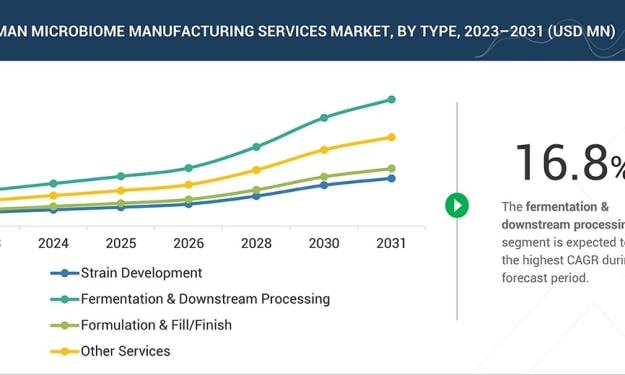
Global Human Microbiome Manufacturing Services Market Poised to Triple by 2031, Reaching $270 Million as Live Biotherapeutics Revolution Accelerates
The global human microbiome manufacturing services market is entering a transformative growth phase, advancing from $110 million in 2025 to a projected $270 million by 2031, representing a compelling CAGR of 16.7%. This expansion reflects a fundamental shift in how pharmaceutical and biotechnology companies approach live biotherapeutic product (LBP) development, as specialized manufacturing capabilities become essential for bringing next-generation microbial therapeutics from clinical trials to commercial reality.
By Juan Martinez2 days ago in Futurism



Comments
There are no comments for this story
Be the first to respond and start the conversation.