
Diving into the World of Cybersecurity: Safeguarding Your Digital Identity
Navigating the Digital Realm: Empowering Individuals and Organizations with Cybersecurity Knowledge
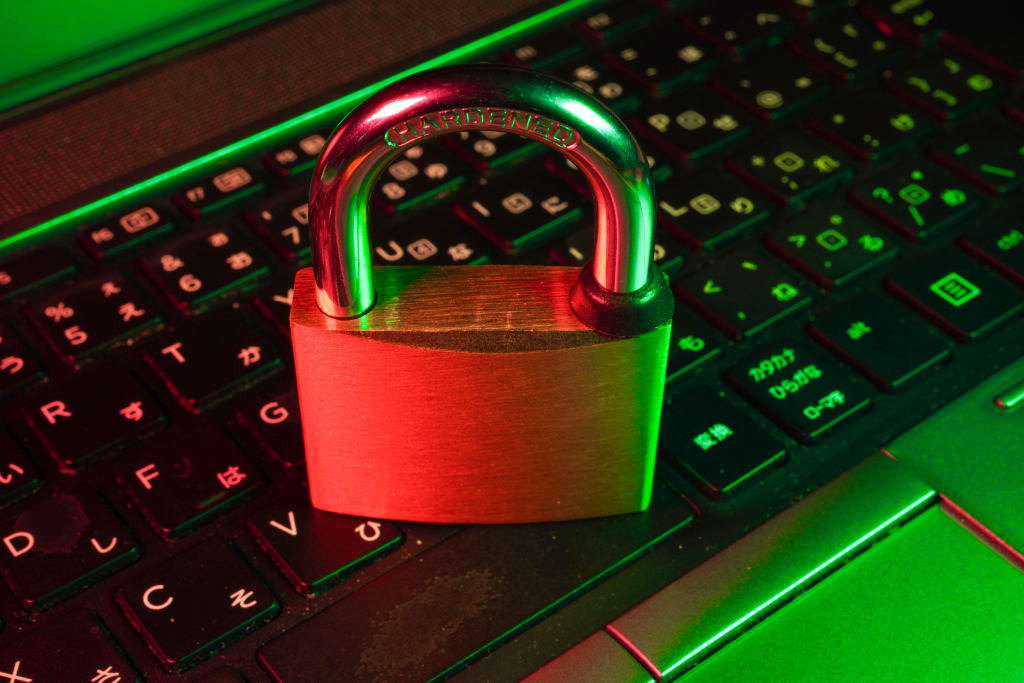
In today's digital age, our lives are interconnected with the virtual world more than ever before. From online banking and social media to e-commerce and healthcare records, our digital presence has become an integral part of our everyday lives. However, with the increasing reliance on technology, the risk of cyber threats and identity theft has also surged. In this article, we take a deep dive into the world of cybersecurity, exploring the importance of protecting your digital identity and providing practical tips to stay safe in the online realm. Join us as we navigate the complexities of cybersecurity, empowering you to safeguard your digital identity with confidence.
1. Understanding Cybersecurity:
Cybersecurity refers to the measures and practices taken to protect computers, networks, and data from unauthorized access, breaches, and attacks. It encompasses a wide range of strategies, technologies, and best practices to ensure the confidentiality, integrity, and availability of digital information.
Real-Life Example: The Equifax data breach in 2017 compromised the personal information of approximately 147 million individuals, highlighting the devastating consequences of cyberattacks on individuals and businesses.
2. Importance of Digital Identity Protection:
Your digital identity comprises personal information, online accounts, and digital footprints that collectively represent your online presence. Protecting your digital identity is crucial to prevent identity theft, financial fraud, privacy violations, and reputational damage.
Real-Life Example: Phishing attacks, where cybercriminals impersonate legitimate entities to trick individuals into sharing sensitive information, have become increasingly sophisticated and can lead to devastating consequences if personal data falls into the wrong hands.
3. Best Practices for Cybersecurity:
a. Strong and Unique Passwords: Create complex passwords for each online account and consider using password managers to securely store and manage them.
b. Two-Factor Authentication (2FA): Enable 2FA whenever possible, adding an extra layer of security by requiring a secondary verification method, such as a unique code or biometric data.
c. Regular Software Updates: Keep your operating system, applications, and antivirus software up to date to patch security vulnerabilities and protect against the latest threats.
d. Phishing Awareness: Be cautious of suspicious emails, messages, or links. Avoid sharing sensitive information or clicking on unfamiliar links without verifying their authenticity.
e. Secure Wi-Fi Networks: Use strong passwords and encryption protocols to secure your home and public Wi-Fi networks. Avoid accessing sensitive information on unsecured or public networks.
f. Data Backup: Regularly back up important files and data to external storage devices or cloud services to mitigate the impact of data loss due to malware or hardware failures.
4. Social Engineering and Privacy:
Cybercriminals often exploit human vulnerabilities through social engineering techniques to gain unauthorized access to sensitive information. Be mindful of the information you share online, maintain privacy settings on social media platforms, and exercise caution when interacting with unknown individuals or requests for personal information.
Real-Life Example: The Cambridge Analytica scandal revealed how personal data harvested from social media platforms can be misused for political profiling and manipulation, emphasizing the need for privacy awareness.
5. Cybersecurity in the Workplace:
Organizations must prioritize cybersecurity to protect sensitive company data and customer information. Employees should receive regular training on cybersecurity best practices, and companies should implement robust security measures, such as firewalls, intrusion detection systems, and employee access controls.
Real-Life Example: The ransomware attack on the Colonial Pipeline in 2021 disrupted fuel supplies along the U.S. East Coast, underscoring the significant impact cyberattacks can have on critical infrastructure and business operations.
Conclusion:
As our digital footprint expands, so does the importance of cybersecurity and protecting our digital identity. By adopting best practices, staying informed about the latest threats, and being vigilant in our online activities,
we can navigate the digital landscape with confidence. Remember, safeguarding your digital identity is not only about protecting yourself but also contributing to a safer and more secure digital world for everyone. Let us embark on this cybersecurity journey together and fortify our defenses against cyber threats, ensuring a brighter and safer digital future.
About the Creator
Keep reading
More stories from Godzilla 1988 and writers in Futurism and other communities.
The Next Big Thing: Quantum Computing Unveiled
In the realm of technology, a groundbreaking innovation is on the horizon—quantum computing. Promising unprecedented computational power, quantum computers have the potential to revolutionize industries, solve complex problems, and unlock new frontiers of knowledge. In this article, we embark on a journey to explore the world of quantum computing, unraveling its mysteries, and envisioning the transformative impact it will have on various sectors. Join us as we delve into the fascinating realm of quantum computing and witness the dawn of a new era in information processing.
By Godzilla 19883 years ago in Futurism
About Binding Prometheus
I want to start actively advocating on behalf of my own work, and the most valuable part of my canon is, without a doubt, Binding Prometheus, the play I have been working on since 2019 and only finished in 2023 as part of my MA. The play itself is an amalgamation of a million different inspirations. On one end, it evokes the Ancient Greek myth-play, deriving its own title from the earliest extant work of Western drama we have, Aeschylus’s Prometheus Bound. On the other end, it borrows significantly from the sci-fi bulwarks from over the years, namely Mary Shelley’s Frankenstein and Karel Capek’s Rossum’s Universal Robots. The play could be an episode of Black Mirror, I fear. I don’t know. I’ve only ever seen one episode of Black Mirror.
By Steven Christopher McKnight18 days ago in Futurism


Comments