
The Next Big Thing: Quantum Computing Unveiled
Pioneering the Quantum Frontier: Unleashing the Power of Quantum Computing
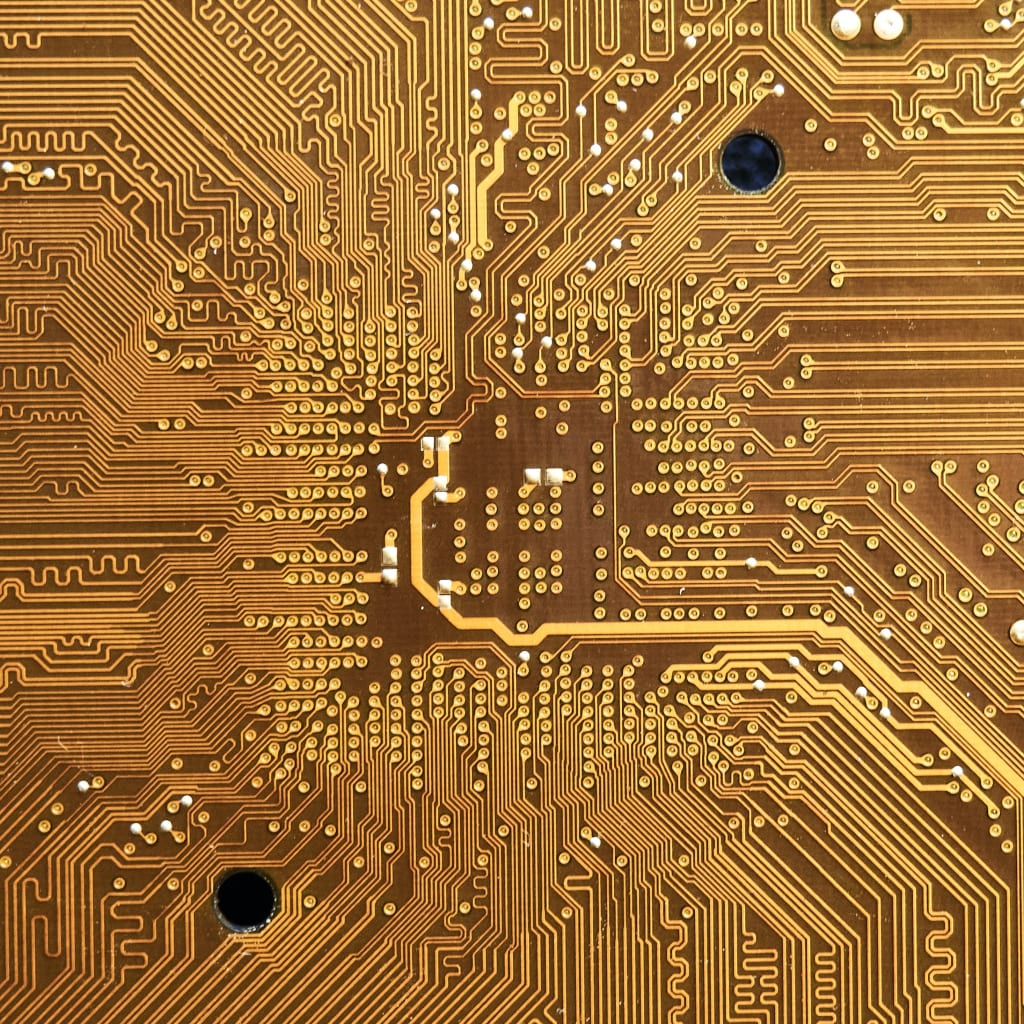
In the realm of technology, a groundbreaking innovation is on the horizon—quantum computing. Promising unprecedented computational power, quantum computers have the potential to revolutionize industries, solve complex problems, and unlock new frontiers of knowledge. In this article, we embark on a journey to explore the world of quantum computing, unraveling its mysteries, and envisioning the transformative impact it will have on various sectors. Join us as we delve into the fascinating realm of quantum computing and witness the dawn of a new era in information processing.
1. Understanding Quantum Computing:
Quantum computing harnesses the principles of quantum mechanics to process and manipulate information. Unlike classical computers, which use bits to represent information as 0s and 1s, quantum computers utilize quantum bits, or qubits, which can exist in multiple states simultaneously, leading to exponentially greater computational power.
Real-Life Example: In 2019, Google announced the achievement of quantum supremacy, demonstrating that their quantum computer could perform a calculation in minutes that would take classical computers thousands of years.
2. Solving Complex Problems:
One of the most exciting aspects of quantum computing is its potential to tackle complex problems that are beyond the reach of classical computers. From optimization challenges and cryptography to drug discovery and climate modeling, quantum computers offer new avenues for solving intricate problems with remarkable speed and efficiency.
Real-Life Example: Pharmaceutical companies are exploring the use of quantum computers to accelerate the discovery of new drugs by simulating molecular interactions and designing more effective therapies.
3. Quantum Algorithms and Applications:
Quantum computing enables the development of unique algorithms that can solve specific problems more efficiently than classical algorithms. These quantum algorithms hold immense potential in areas such as machine learning, data analysis, cryptography, and optimization.
Real-Life Example: Shor's algorithm, a quantum algorithm, has the potential to break modern encryption methods, emphasizing the need for new cryptographic techniques resistant to quantum attacks.
4. Quantum Communication and Cryptography:
Quantum computing not only offers powerful computational capabilities but also presents opportunities for secure communication and cryptography. Quantum communication protocols, such as quantum key distribution, leverage the principles of quantum mechanics to ensure secure transmission of information.
Real-Life Example: China's launch of the world's first quantum communication satellite, Micius, demonstrated the successful transmission of quantum-encrypted messages over long distances, heralding a new era of secure communication.
5. Quantum Simulations:
Quantum computers excel at simulating complex physical systems that are challenging to replicate using classical computers. This capability opens doors for advancements in fields such as material science, physics, and chemistry, enabling simulations that aid in the development of new materials, understand molecular interactions, and simulate quantum systems.
Real-Life Example: Google's quantum computer was used to simulate the behavior of a chemical reaction, providing insights into the reaction mechanism and paving the way for more efficient catalyst design.
6. Overcoming Challenges:
While quantum computing holds immense promise, several challenges need to be addressed. These include improving qubit stability, error correction, scaling up the number of qubits, and making quantum computers more accessible and user-friendly.
Real-Life Example: IBM, Microsoft, Google, and other tech giants are investing in research and development to overcome these challenges, aiming to make quantum computers more practical and commercially viable.
Conclusion:
Quantum computing is poised to revolutionize the world as we know it, unlocking new frontiers of knowledge, transforming industries, and solving complex problems with unrivaled efficiency. While we are still at the early stages of quantum computing development, the potential is immense. Let us embrace this technological marvel and envision a future where quantum computers empower humanity to unravel the mysteries of the universe, advance scientific discoveries, and drive innovation to unimaginable heights.
About the Creator
Keep reading
More stories from Godzilla 1988 and writers in Futurism and other communities.
Robotics Revolution: Transforming Industries Through Innovation
In recent years, robotics technology has advanced by leaps and bounds, revolutionizing industries across the globe. From manufacturing and healthcare to agriculture and logistics, robots are changing the way we work, live, and interact. In this article, we delve into the robotics revolution, exploring the profound impact of robots on various sectors. Join us on a journey through the fascinating world of robotics and discover how these innovative machines are reshaping industries and opening up new possibilities.
By Godzilla 19883 years ago in Futurism
Digital Avatar Market Valued at USD 745.1 Billion by 2033
Digital Avatar Market Overview The global Digital Avatar Market is projected to reach approximately USD 745.1 Billion by 2033, increasing from nearly USD 24.4 Billion in 2024. This expansion reflects a strong CAGR of 46.2% during the forecast period from 2024 to 2033. Market growth is primarily driven by the increasing adoption of digital avatars across gaming environments, social media platforms, virtual workplaces, and customer interaction systems.
By Roberto Crum6 days ago in Futurism
GCC Halal Food Market Analysis: Key Drivers, Market Dynamics & Future Prospects
According to IMARC Group's latest research publication, "GCC Halal Food Market: Industry Trends, Share, Size, Growth, Opportunity and Forecast 2025-2033", The GCC halal food market size reached USD 65.10 Billion in 2024. Looking forward, IMARC Group estimates the market to reach USD 88.70 Billion by 2033, exhibiting steady growth during 2025-2033.
By Abhay Rajput3 days ago in Futurism




Comments