
AI and Cybersecurity: A Game Changer?
A Match Made in the Digital Clouds
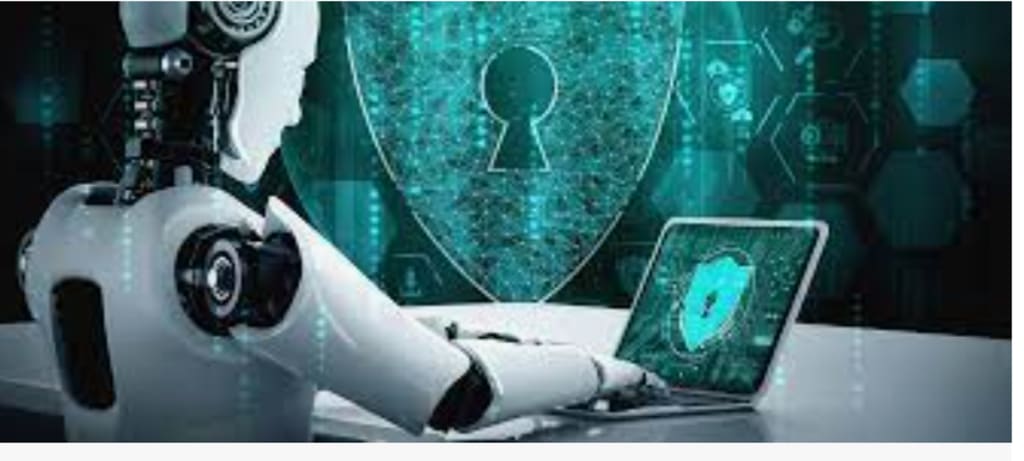
We live in an era where digital data has become as valuable as gold. With the advent of the internet and our increasing reliance on digital systems, data has been recognized as one of our most precious resources. Yet, as the volume and value of this data continue to rise, the threats to its security have also escalated. Cybersecurity, consequently, has become a focal point of concern for businesses, governments, and individuals worldwide. Amid these challenges, one technology stands out as a potential game-changer: artificial intelligence (AI). In this in-depth exploration, we will uncover how AI is revolutionizing the landscape of cybersecurity.
Understanding the Current Cybersecurity Landscape
In today's hyper-connected world, cybersecurity threats have become not just more frequent, but also more sophisticated. Cybercriminals are constantly on the hunt for new vulnerabilities to exploit, employing innovative and often malicious tactics to breach security defenses. The repercussions of a successful cyberattack can be devastating, resulting in significant data breaches, financial loss, and severely damaged reputations. Traditional cybersecurity approaches often grapple to keep pace with these rapidly evolving threats. This struggle is where AI enters the picture, promising a potential revolution in the realm of cybersecurity.
AI and Cybersecurity: A Match Made in the Digital Clouds
AI, with its superior capacity to learn from data and make predictions, offers an incredibly promising solution to the escalating challenges of cybersecurity. Its unparalleled prowess in pattern recognition and anomaly detection makes it an ideal tool for identifying potential threats in real-time, thus augmenting the effectiveness of cybersecurity measures.
Proactive Threat Detection
One of the primary advantages of integrating AI into cybersecurity is its inherently proactive nature. Traditional cybersecurity measures are often reactive, responding to threats once they have occurred. This approach is akin to closing the barn door after the horse has bolted. AI, however, enables a shift from this reactive approach to a more proactive one, identifying and responding to threats before they can inflict significant damage.
Machine learning, a subset of AI, can be trained to recognize patterns in data. This ability allows it to identify unusual behavior that may signify a cybersecurity threat. This could involve anything from detecting suspicious network traffic, identifying malware based on its unique characteristics, to observing irregularities in user behavior.
Automated Response: Swift and Efficient
AI doesn't just stop at detecting threats; it also extends to automating responses to these detected threats. This automation significantly reduces the time taken between threat detection and response, thereby minimizing potential damage. AI systems can be trained to respond to certain types of threats in specific ways, allowing for a swift and efficient response that is impossible with human intervention alone.
For instance, an AI system could automatically isolate a compromised system from the network upon detecting a threat, preventing further spread of the issue. It could also initiate appropriate countermeasures, such as deploying patches or updates to fix the detected vulnerability.
Predictive Capabilities: The Crystal Ball of Cybersecurity
Another critical advantage of AI in cybersecurity is its predictive capabilities. Machine learning algorithms can analyze patterns in historical data to predict future cybersecurity threats. This predictive ability allows organizations to anticipate and prepare for potential attacks, adopting a proactive stance rather than merely reacting to them.
For example, an AI system could forecast an uptick in phishing attacks based on an observed increase in such attacks in the past during a particular time of year. Armed with this foresight, an organization can then ramp up its defenses, perhaps by increasing awareness among its staff or enhancing its email filtering systems.
Ethical Considerations and Challenges
While AI holds significant promise for cybersecurity, it also raises several ethical and practical challenges that need to be addressed. Questions about privacy and the use of personal data in AI algorithms are at the forefront of these concerns. As AI systems become more prevalent in cybersecurity, there is an increased risk that these systems themselves could become targets for cybercriminals, creating a sort of cybersecurity arms race.
Moreover, the misuse of AI by malicious actors poses a real threat. Just as we leverage AI to strengthen our defenses, cybercriminals can exploit the same technology to enhance their offensive capabilities, crafting more sophisticated attacks that are harder to detect and counter.
It’s also crucial to remember that AI is not a panacea for cybersecurity. It should be integrated as part of a comprehensive cybersecurity strategy, rather than being seen as a standalone solution. Human oversight and expertise remain crucial to ensure that AI systems are functioning correctly, responsibly, and ethically.
Wrapping Up
In conclusion, the integration of AI into cybersecurity could be a game-changer, redefining the way we protect our digital assets. Its capabilities for proactive threat detection, automated response, and predictive analysis could significantly enhance our ability to defend against cyber threats.
However, with every new technological advancement comes a new set of challenges. While AI offers considerable benefits, it also presents us with new hurdles that need to be navigated. It's crucial to approach AI with a balanced perspective, understanding these benefits and challenges to make the most of this revolutionary technology.
As we continue to explore and innovate in this space, we must ensure to use AI responsibly. By doing so, we can navigate the evolving landscape of cybersecurity and harness the power of AI to build a safer digital future. The influence of AI on cybersecurity is undoubtedly a game-changer and holds the promise of shaping the future of digital protection in our interconnected world. As we stand on the brink of this exciting new frontier, it is up to us to leverage this powerful tool responsibly, ensuring the digital security of generations to come.
About the Creator
Geoffrey Muriuki
Geoff is a tech enthusiast with interest in the transformative powers of Artificial Intelligence and blockchain. He strives to demystify the world of AI and blockchain. He believes in the potential of technology to shape a better future.
Keep reading
More stories from Geoffrey Muriuki and writers in Futurism and other communities.
The Intersection of AI and Blockchain Technology: A Convergence of Innovation
In the realm of technology, the 21st century has seen a multitude of breakthroughs that have reshaped various industries and transformed everyday lives. Among these remarkable innovations, two stand out due to their potential to redefine the future of digital society: artificial intelligence (AI) and blockchain technology. While each technology holds its unique attributes and applications, the intersection of AI and blockchain promises to birth a new era of technological synergy.
By Geoffrey Muriuki3 years ago in Futurism
About Binding Prometheus
I want to start actively advocating on behalf of my own work, and the most valuable part of my canon is, without a doubt, Binding Prometheus, the play I have been working on since 2019 and only finished in 2023 as part of my MA. The play itself is an amalgamation of a million different inspirations. On one end, it evokes the Ancient Greek myth-play, deriving its own title from the earliest extant work of Western drama we have, Aeschylus’s Prometheus Bound. On the other end, it borrows significantly from the sci-fi bulwarks from over the years, namely Mary Shelley’s Frankenstein and Karel Capek’s Rossum’s Universal Robots. The play could be an episode of Black Mirror, I fear. I don’t know. I’ve only ever seen one episode of Black Mirror.
By Steven Christopher McKnight19 days ago in Futurism
RegTech Market in Saudi Arabia: AI-Driven Compliance, Fraud Prevention & Regulatory Innovation
According to IMARC Group's latest research publication, Saudi Arabia RegTech market size reached USD 146.64 Million in 2024. The market is projected to reach USD 652.40 Million by 2033, exhibiting a growth rate (CAGR) of 18.04% during 2025-2033.
By Jeffrey Wilsonabout 15 hours ago in Futurism
Silver Screen Magic with Mae West
American actress and singer Mae West became a popular film actress during the Great Depression. She started entertaining in vaudeville, then performed on Broadway, and finally went to Hollywood. She signed up with Paramount Pictures and made her debut in the 1932 film “Night After Night.” She also starred in musicals, comedies, and crime dramas. The American Film Institute named her one of the best classic Hollywood actresses.
By Rasma Raisters7 days ago in Geeks



Comments
There are no comments for this story
Be the first to respond and start the conversation.