
A Dinosaur with Sail Discovered on Isle of wight
Istiorachis macarthurae: A Sail-Backed Dinosaur from the Early Cretaceous

A Striking New Find
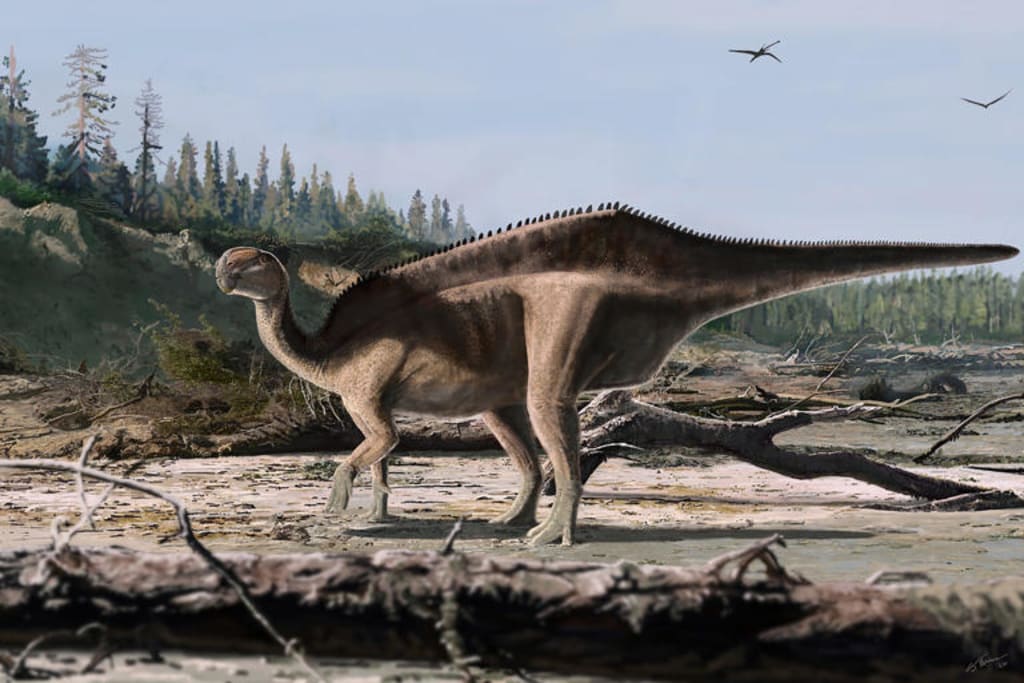
Imagine walking along the Isle of Wight’s beaches in southern England and stumbling upon fossils from a creature that lived 125 million years ago. That’s exactly what happened with the discovery of Istiorachis macarthurae, a new species of dinosaur. What makes this herbivore special is a sail-like structure running along its back and tail a feature that has sparked excitement and debate among paleontologists. This dinosaur belongs to the iguanodontians, a group of plant-eating dinosaurs closely related to the well-known Iguanodon. Unlike most of its relatives, however, Istiorachis stands out with its exaggerated neural spines that formed the “sail.”
The Name and Its Meaning
The species name carries a thoughtful tribute. “Istiorachis” comes from Greek, meaning “sail spine,” a direct nod to its most unusual feature. The second part, macarthurae, honors Dame Ellen MacArthur, the famous sailor from the Isle of Wight who set a world record for solo circumnavigation of the globe in 2005. Just like MacArthur captured the world’s attention with her daring voyage, this dinosaur is now captivating scientists with its extraordinary anatomy.
What Did It Look Like?
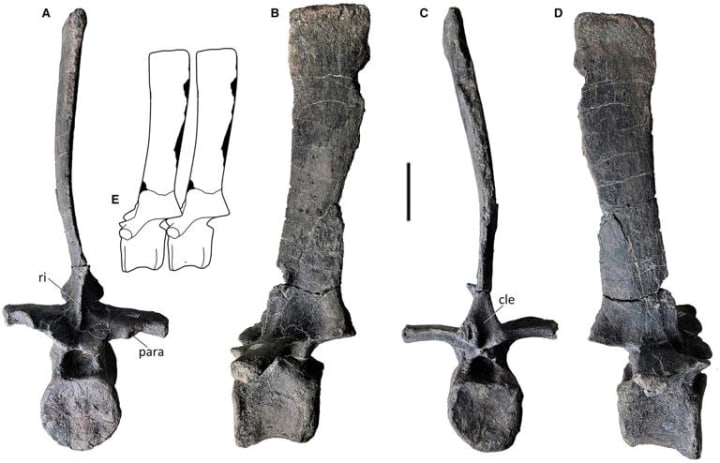
Istiorachis macarthurae was roughly the size of an American bison, weighing about one tonne. It stood a little taller than a human and likely shifted between walking on two legs and four as it grew. But the most eye-catching feature was the sail, formed by spine-like extensions of its vertebrae. These spines were more than four times taller than the bones themselves, creating a structure that would have made this dinosaur impossible to miss.
Why the Sail?
This is where the story gets interesting. Scientists believe the sail wasn’t for survival alone it was likely for show. Dr. Jeremy Lockwood, who led the research, suggests it may have worked much like a peacock’s feathers or a lizard’s frill: a tool for attracting mates or signaling to others in its herd. “When an animal develops a feature that’s exaggerated beyond its basic function, it usually means it’s being used to impress,” Dr. Lockwood explained.
Other ideas have also been put forward. The sail might have helped Istiorachis look bigger to scare off predators or served as a recognition signal within groups. Some paleontologists even wondered if it could have been used for regulating body temperature or storing fat, but these theories are less convincing because the structure seems too delicate for those roles.
A Window into the Cretaceous World
The fossils of Istiorachis were discovered in rocks belonging to the Wealden Group, a formation that preserves ecosystems from the Early Cretaceous period. At this time, around 125 million years ago, the Isle of Wight was a lush floodplain with rivers, forests, and swamps.
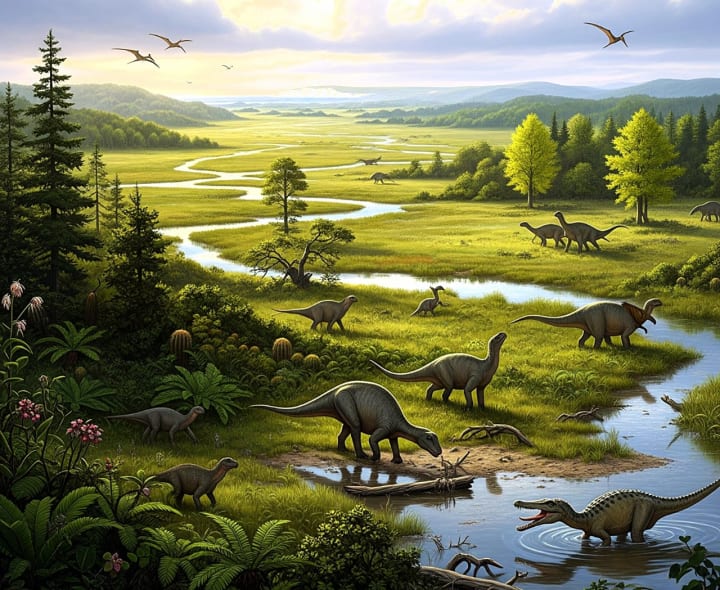
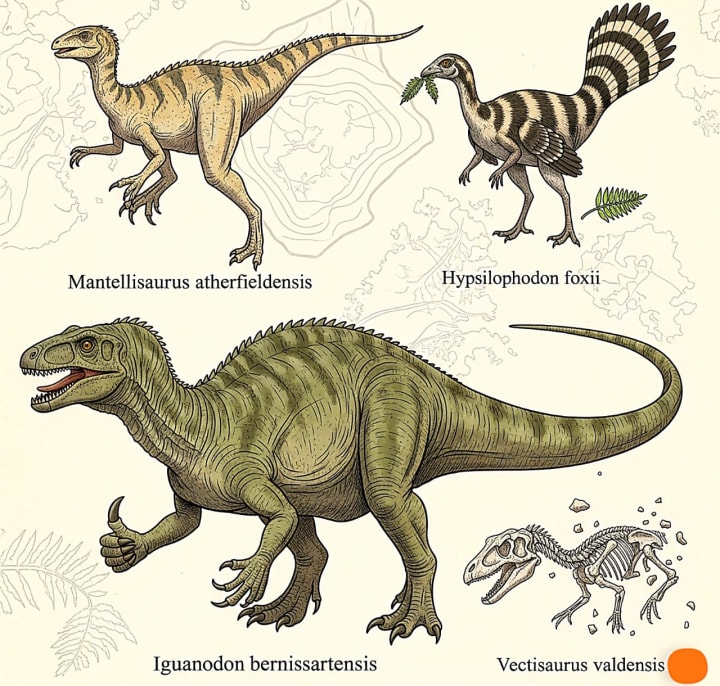
Until recently, scientists thought the region only hosted a couple of iguanodontian species, such as Iguanodon and Mantellisaurus. But new discoveries, including Istiorachis, show the picture was far more diverse. Changing environments, like rising sea levels, may have encouraged different species to evolve unique adaptations such as the famous sail.
More Than Just Bones
This discovery is also a reminder of how valuable museum collections can be. The fossils were re-examined from specimens kept at the Dinosaur Isle museum, showing that treasures often hide in plain sight. Sadly, some additional remains of Istiorachis were stolen from a dig site decades ago and have never been recovered an unfortunate loss for science.
Why It Matters
The story of Istiorachis macarthurae is more than a tale of an unusual dinosaur. It highlights the role of sexual selection in evolution, showing that sometimes, survival is about being seen rather than staying hidden. It also strengthens the Isle of Wight’s reputation as one of Europe’s richest fossil sites, a place where new species continue to be uncovered.
As paleontologists keep exploring, they believe there are still many more surprises waiting in the rocks. For now, Istiorachis stands as a vivid reminder that dinosaurs were not just giant reptiles, they were complex creatures with behaviors, adaptations, and displays as fascinating as anything we see in nature today.
About the Creator
Muzamil khan
🔬✨ I simplify science & tech, turning complex ideas into engaging reads. 📚 Sometimes, I weave short stories that spark curiosity & imagination. 🚀💡 Facts meet creativity here!
Keep reading
More stories from Muzamil khan and writers in Futurism and other communities.
Researchers uncover how microorganisms work together to break down a powerful greenhouse gas
A Hidden World Beneath the Waves Far below the ocean’s surface lies a secret world that rarely gets attention but plays a huge role in protecting our planet. Here, microscopic organisms too small to see with the naked eye, are working together to stop a dangerous greenhouse gas from escaping into the air.
By Muzamil khan7 months ago in Futurism
Australia Auto Parts Aftermarket Market: Vehicle Parc Growth, Replacement Demand & E-commerce Channels
According to IMARC Group, the Australia auto parts aftermarket market reached USD 10,456.2 Million in 2025 and is projected to grow to USD 16,137.8 Million by 2034, exhibiting a compound annual growth rate (CAGR) of 4.79% during 2026–2034. The steady expansion of the market reflects the growing vehicle parc, increasing average vehicle age, and rising demand for maintenance and replacement components across Australia. As consumers extend vehicle lifespans and prioritize cost-effective repairs, aftermarket suppliers are benefiting from sustained parts replacement cycles. Simultaneously, the rapid rise of digital retail channels is transforming purchasing behavior, strengthening Australia auto parts aftermarket market share across both traditional and online distribution platforms.
By Shrestha Roy4 days ago in Futurism
Achieving Energy Independence in NSW: Solar and Battery Solutions for Your Home
For many homeowners in New South Wales, rising electricity prices and growing awareness of environmental issues are driving interest in energy independence. More and more families are exploring how solar panels and battery storage can help them take control of their energy use, save money, and reduce their reliance on the grid.
By SolarLover5 days ago in Futurism
📢 Raise Your Voice Thread: 03/05/2026
Our “Raise Your Voice Threads” are hosted most alternating Thursdays at 12PM ET to offer creators more avenues to uncover exceptional stories on Vocal. As we are continuously searching for fresh creators and inspiring stories, this thread provides an opportunity to exchange and discuss the stories that have moved and motivated us on Vocal.
By Raise Your Voice by Vocala day ago in Resources



Comments
There are no comments for this story
Be the first to respond and start the conversation.