
8 Essential Steps to Build a Successful Software Modernization Strategy
8 Essential Steps to Build a Successful Software Modernization Strategy That Works For Your Business

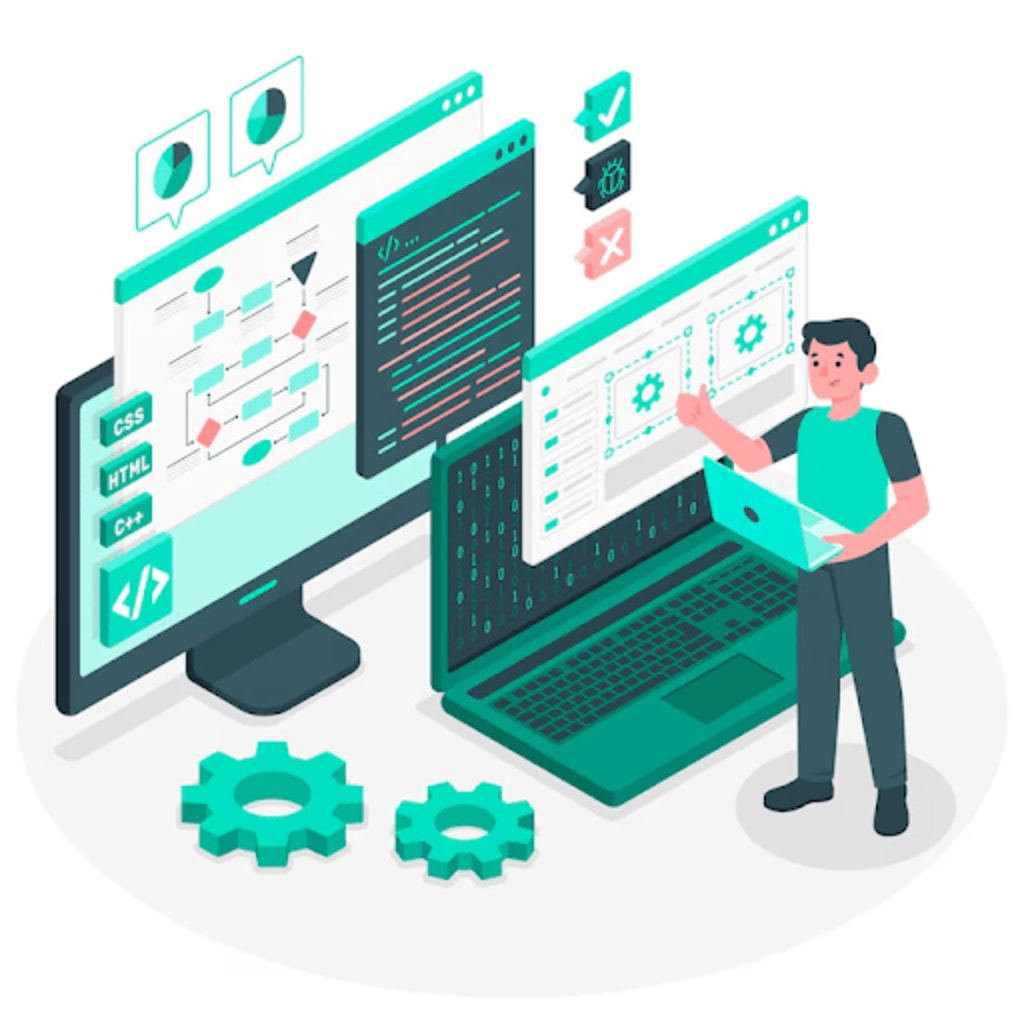
Every business has one software that helped you succeed in your initial face, but now this software can be a liability. Because systems can get outdated, lag, be hard to interface with new technology, or be too expensive to maintain. That's why software modernization is essential, and this is not just about a technological advantage. Still, it is more like a business strategy that helps you control costs and improve efficiency.
Software modernization enables businesses to enhance performance, lower costs, and remain competitive in a digital-first environment. But like every coin has two sites, modernization also has a negative;side if you don't properly plan this, it can be an expensive, intrusive experience. The good news is that you can prevent that by following these eight concise steps to create a software modernization strategy that complements your business objectives and yields long-term value.
Step 1: Take a Good Look at Your Current Systems
Begin by reviewing the software your business already has, especially the systems most integral to day-to-day operations. Then, ask your team questions.
- Are they humming along?
- Are they easy to upgrade?
- Will they expand with your business?
You need to identify which technologies are difficult to support and defend and hence obsolete. This is not a technical defect exercise; it's deciding how those systems affect your teams, your customers, and your bottom line.
This analysis will give you the correct picture of what needs to be done and why.
Step 2: Tie Modernization to Your Business Goals
Software re-engineering must never be an independent initiative. It must steer your business strategic priorities, whether that might be new product launches, enhanced customer experience, cost reduction, or new geography growth.
For instance, if your company is lagging in manual operations or your consumers are upset about legacy digital offerings, those are the indicators that efficiency and experience-driven modernization must be targeted.
Having a well-defined connection between your software modernization project and your business goals helps to legitimize the cost and create internal sponsorship for the project.
Step 3: Select What to Revise First
Most companies have several pieces of software. Attempting to upgrade them all at once is generally unrealistic and dangerous. That is why it is necessary to prioritize.
Begin with the systems that are most important to your business or the ones that frustrate you the most. It could be your CRM, inventory system, or an outdated internal tool. Improving these systems will likely have the greatest impact on performance, cost savings, or customer satisfaction.
This staged process allows you to minimize risk and begin to realize benefits sooner.
Step 4: Select the Appropriate Modernization Method for Your Business
There is no single method for upgrading software. Your decision must be driven by your business requirements, your current system, and how soon you want to see the benefits.
Some only translate to the cloud with minimal changes (generally referred to as "lift and shift"). Some get rearchitected for performance or for higher integration. In more complex cases, outright replacement of the system or rebuilding it from scratch is optimal.
If your internal staff lacks the technical know-how, it's preferable to hire software developers who are experts in software modernization. They will analyze your systems, set you on the proper path of modernization, and position your technology to achieve business objectives.
Step 5: Build an Elastic and Scalable Platform
When you upgrade, don't just patch what's broken; look ahead. Your new systems are serving your company today and as it grows.
That is why most firms undertaking software modernization in the future are building on cloud platforms. Cloud platforms are elastic, minimize hardware expenses, and offer easy scaling.
Also, consider using technology and frameworks that allow for greater integration with other programs, faster updating, and simpler maintenance. A future-proofed foundation allows your company to scale without needing to rebuild again in a few years.
Step 6: Develop a Step-by-Step, Realistic Plan
Once you have charted your objectives, priorities, and preferred approach, you're ready to make a good plan. That plan includes timelines, estimates of budgets, resources needed, and what success at each milestone will actually be.
Do not try to modernize everything at once in one leap. Break the project into smaller steps. This minimizes disruption to your company and allows teams to transition in stages.
A planned roadmap also simplifies vendor relationships, in-house personnel, and continual communication throughout the project.
Step 7: Prepare Your Teams for Change
New systems mean new working styles. While the long-term benefits are patent, changes hurt if there is no preparation.
Keep your teams apprised right from the start. Let them know why changes are being introduced, how they will improve their work, and what assistance is being provided. Train them accordingly and take feedback.
Effective software modernization isn't about technology but people's willingness and ability to adopt superior tools and methods.
Step 8: Check Progress and Improve Ongoing
Software modernization doesn't end when the new system is live. You have to drop by every so often and check how the changes are performing technically and from a business perspective. Track measures like system performance, downtime, user satisfaction, and the amount of day-to-day work simplified by the new tools. Utilize these measures to fine-tune your strategy more effectively and plan for optimization further. Continuous improvement makes your investment worthwhile, and your company continues to grow.
Conclusion
Software modernization is more than simply replacing old systems. It involves aligning your technology with business objectives to enhance efficiency, enhance customer experience, and evolve with market changes. If you are facing any hurdles or don't want to hire an in-house team, then you should work with a custom software development company, which can understand your unique requirements and long-term goals to ensure this change succeeds. With the right partner and step-by-step approach, modernization becomes an easy process that generates long-term value. In today's fast-paced digital era, software modernization isn't a choice; it's a necessity.
About the Creator
Kiran Moda
Passionate Techwriter: I love to empower business leaders with technological innovations. Let's explore the technical world, from software development to AI.
Keep reading
More stories from Kiran Moda and writers in Futurism and other communities.
Top Benefits of RPA in Manufacturing for Modern Industries
Manufacturing has always been a matter of doing more, faster, with less. In today's fast-moving world, getting the job done is more important than ever. With more customer demand, global supply chains, and costs to reduce, manufacturers are turning to Robotic Process Automation (RPA) to stay competitive.
By Kiran Moda9 months ago in Futurism
DevOps Market: Agile Development Adoption, CI/CD Automation & Industry Growth Outlook
According to IMARC Group’s latest research publication, the global DevOps market size reached USD 13.5 Billion in 2024. Looking forward, IMARC Group expects the market to reach USD 72.7 Billion by 2033.
By sujeet. imarcgroup5 days ago in Futurism
Digital Signage in Education & Universities Market to Reach USD 5.48 Billion by 2034
The global digital signage in education and universities market is experiencing steady growth as educational institutions adopt advanced communication technologies across campuses. The market is projected to grow from USD 2.15 billion in 2024 to approximately USD 5.48 billion by 2034, reflecting a 9.8% CAGR during the forecast period. Digital signage systems are increasingly used in schools, colleges, and universities to display announcements, schedules, emergency alerts, and academic information.
By Roberto Crum2 days ago in Futurism
The BAFTA Awards
By now, in a stunning departure from recent years, most of the world is aware of what happened at the BAFTA film awards. Social Media Headlines will tell you the bare bones: that John Davidson, a Tourette's Syndrome advocate, shouted a racial slur at two Actors of Colour, Michael B Jordan and Delroy Lindo.
By Natasja Rose3 days ago in Psyche



Comments
There are no comments for this story
Be the first to respond and start the conversation.