
3D Printing Technology: Innovations in Medical and Industrial 3D Printing
technology
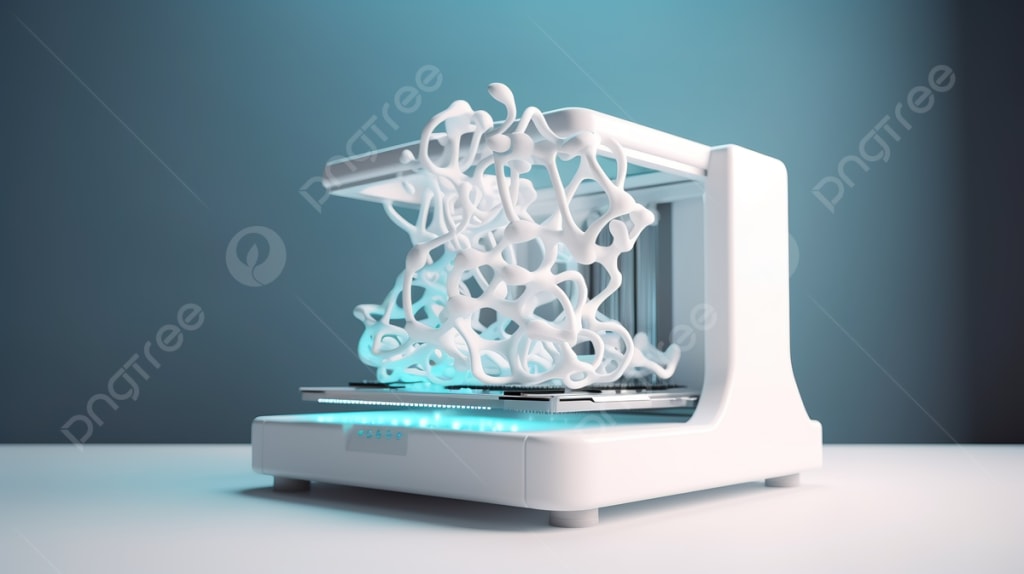
**3D Printing Technology: Innovations in Medical and Industrial 3D Printing**
3D printing technology, also known as additive manufacturing, has revolutionized various industries, including medicine and manufacturing, by enabling the creation of complex three-dimensional objects layer by layer. This innovative technology has paved the way for groundbreaking advancements in both medical and industrial applications, offering unprecedented capabilities and opportunities.
In the medical field, 3D printing has transformed the way healthcare professionals approach patient care, diagnosis, and treatment. One of the most notable applications of 3D printing in medicine is the fabrication of patient-specific anatomical models, which allow surgeons to visualize complex structures and plan intricate surgical procedures with enhanced precision. These models are particularly valuable in challenging cases involving intricate anatomical structures or rare medical conditions, where traditional imaging techniques may fall short.
Moreover, 3D printing technology has facilitated the development of customized medical implants and prosthetics tailored to individual patients' unique anatomical specifications. From orthopedic implants to dental prosthetics, 3D printing enables the production of implants and prosthetics that offer optimal fit, functionality, and biocompatibility, enhancing patient outcomes and quality of life.
In addition to its medical applications, 3D printing has revolutionized the manufacturing industry, offering cost-effective and efficient solutions for rapid prototyping, tooling, and production. With 3D printing, manufacturers can create complex geometries and intricate designs that were previously challenging or impossible to achieve using traditional manufacturing methods.
Furthermore, 3D printing technology enables on-demand and localized production, reducing supply chain complexities and lead times while minimizing material waste. This flexibility and agility in manufacturing processes empower businesses to respond swiftly to changing market demands and customer preferences, fostering innovation and competitiveness in today's dynamic marketplace.
As the capabilities of 3D printing technology continue to evolve, researchers and industry professionals are exploring new frontiers and pushing the boundaries of what is possible. From bio-printing functional tissues and organs to printing aerospace components with advanced materials, the potential applications of 3D printing are vast and diverse, promising to reshape industries and drive innovation across the globe.
In conclusion, 3D printing technology represents a transformative force in both medical and industrial domains, offering unparalleled opportunities for innovation and advancement. By harnessing the power of 3D printing, we can unlock new possibilities in healthcare, manufacturing, and beyond, ushering in a new era of creativity, customization, and efficiency.
Would you like any further details or specific examples included in the article
Medical Applications of 3D Printing:
1. Surgical Planning and Training: 3D printing technology enables the creation of precise anatomical models that replicate patient-specific anatomy. Surgeons can use these models for pre-operative planning, allowing them to simulate complex surgeries and develop optimal strategies for patient care. Medical students and trainees also benefit from 3D-printed anatomical models for educational purposes, enhancing their understanding of anatomy and surgical techniques.
2. Patient-Specific Implants: 3D printing allows for the customization of medical implants to match the exact specifications of individual patients. Whether it’s orthopedic implants for joint replacement surgeries or cranial implants for reconstructive procedures, patient-specific implants improve implant fit, functionality, and biocompatibility, leading to better patient outcomes and reduced risk of complications.
3. Prosthetics and Assistive Devices: 3D printing technology has revolutionized the production of prosthetic limbs and assistive devices, offering customizable solutions that cater to the unique needs of each patient. With 3D printing, prosthetic limbs can be tailored to match the wearer’s anatomy and preferences, providing greater comfort, functionality, and aesthetic appeal.
4. Dental Applications: 3D printing plays a significant role in modern dentistry, facilitating the fabrication of dental prosthetics, crowns, bridges, and orthodontic appliances with unparalleled precision and efficiency. Dental laboratories leverage 3D printing technology to streamline workflows, reduce production times, and deliver high-quality dental restorations to patients.
Industrial Applications of 3D Printing:
1. Rapid Prototyping: 3D printing accelerates the product development process by enabling rapid prototyping of new designs and concepts. Engineers and designers can quickly iterate and test prototypes, allowing for faster validation of ideas and concepts before full-scale production.
2. Customized Manufacturing: 3D printing enables on-demand and customized manufacturing of parts and components, eliminating the need for expensive tooling and molds. Manufacturers can produce small batches of customized products cost-effectively, catering to niche markets and individual customer preferences.
3. Tooling and Jigs: 3D printing technology is widely used in the production of manufacturing tools, fixtures, and jigs. These custom-designed tools enhance production efficiency, accuracy, and repeatability, optimizing manufacturing processes across various industries.
4. Supply Chain Optimization: With 3D printing, companies can decentralize production and reduce reliance on traditional supply chains. By producing parts and components locally, businesses can minimize shipping costs, reduce lead times, and respond more effectively to fluctuating market demands.
In summary, the applications of 3D printing technology in both medical and industrial fields are vast and diverse, offering transformative solutions that enhance efficiency, customization, and innovation. As the technology continues to advance, we can expect to see even greater integration of 3D printing across various industries, driving further innovation and reshaping the future of manufacturing and healthcare.
About the Creator
منال المطيري
Manal: Professional writer with diverse experience in technology, health, and culture. Skilled in turning complex ideas into engaging content. Committed to delivering high-quality work on time.
Keep reading
More stories from منال المطيري and writers in Futurism and other communities.
“Revolutionizing Data and Security: Blockchain Technology and Quantum Computing”
Title: "Revolutionizing Data and Security: Blockchain Technology and Quantum Computing" Blockchain technology and quantum computing represent two groundbreaking innovations poised to transform the way we handle data and electronic transactions. In this article, we'll delve into the unique features of each technology and explore their potential impact on data management and cybersecurity.
By منال المطيري2 years ago in Futurism
UAE Residential Real Estate Market Analysis: Industry Overview, Key Players & Future Outlook
According to IMARC Group's latest research publication, UAE residential real estate market size reached USD 19.63 Billion in 2025. The market is projected to reach USD 35.54 Billion by 2034, exhibiting a growth rate of 6.82% during 2026-2034. Condominiums and apartments dominate with 73% market share, while Dubai leads regionally with 44% share.
By Abhay Rajput4 days ago in Futurism




Comments
There are no comments for this story
Be the first to respond and start the conversation.