food
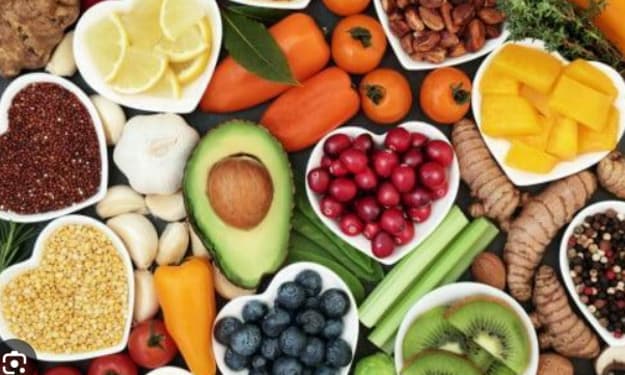
How food can play into your love life. What foods to use in bed, what foods turn her on, and what foods to avoid.
Sustainable Eating: How to Make Eco-Friendly Choices in Your Daily Diet
In recent years, there has been a growing awareness of the impact our food choices have on the environment. From greenhouse gas emissions to water usage and deforestation, the food industry plays a significant role in the health of our planet. As consumers, we have the power to make a difference by opting for sustainable eating practices that not only benefit our health but also help protect the environment for future generations. In this article, we will explore how you can make eco-friendly choices in your daily diet. What is Sustainable Eating? Sustainable eating, also known as sustainable nutrition or eco-friendly eating, is a practice that aims to minimize the environmental impact of food production and consumption. This includes choosing foods that are produced in ways that preserve natural resources, reduce waste, and support local communities. Sustainable eating also considers the health and well-being of animals, workers, and consumers. Why is Sustainable Eating Important? The food industry is a major contributor to environmental degradation. According to the Food and Agriculture Organization of the United Nations (FAO), the global food system is responsible for about one-third of greenhouse gas emissions, 70% of freshwater usage, and 80% of deforestation. These statistics highlight the urgent need for more sustainable food practices to protect our planet. In addition to environmental concerns, there are also health benefits associated with sustainable eating. By choosing whole, plant-based foods and reducing the consumption of processed and animal-based products, you can lower your risk of chronic diseases such as heart disease, obesity, and diabetes. Tips for Sustainable Eating 1. Eat More Plant-Based Foods One of the most effective ways to reduce your environmental impact is by incorporating more plant-based foods into your diet. Plant-based foods require less water, land, and energy to produce compared to animal-based products. According to a study published in the journal Science, switching to a plant-based diet can reduce greenhouse gas emissions by up to 70%. Start by making small changes such as swapping out meat for plant-based protein sources like beans, lentils, tofu, and quinoa. Incorporate a variety of fruits, vegetables, whole grains, and nuts into your meals to ensure you are getting all the essential nutrients your body needs. 2. Buy Local and Seasonal Produce Supporting local farmers and purchasing seasonal produce is another way to reduce your carbon footprint. Locally grown foods require less transportation, storage, and refrigeration, which helps to lower greenhouse gas emissions. Visit your local farmers’ market or join a community-supported agriculture (CSA) program to access fresh, seasonal fruits and vegetables. When shopping for groceries, look for labels that indicate the food is grown or produced locally. By choosing local and seasonal options, you are not only supporting your community but also prioritizing freshness and quality in your meals. 3. Reduce Food Waste Food waste is a significant issue that contributes to environmental pollution and resource depletion. According to the FAO, approximately one-third of all food produced for human consumption is wasted globally each year. To combat food waste, practice mindful eating habits and plan your meals to avoid buying more than you need. To minimize waste, use leftovers creatively in new dishes, freeze excess food for later use, and compost food scraps. By reducing food waste, you can save money, conserve resources, and lower your environmental impact.
By Amily Brown 2 years ago in Filthy
Top 5 Cake Trends: What’s Hot in the World of Baking?
In the world of baking, cake trends are constantly evolving, with new flavors, designs, and techniques captivating both bakers and customers alike. From elaborate drip cakes to minimalist naked cakes, there is a wide array of styles that are currently in vogue. In this article, we will explore the top 5 cake trends that are currently hot in the world of baking, backed by expert opinions, real-world examples, and relevant statistics. 1. Drip Cakes Drip cakes have been all the rage in recent years, with their dramatic and eye-catching appearance. These cakes are characterized by a cascade of melted chocolate, caramel, or ganache dripping down the sides of the cake, creating a stunning effect. Drip cakes can be customized with different colors and flavors, making them versatile and perfect for any occasion. According to a survey conducted by Bake Magazine, drip cakes have seen a significant increase in popularity over the past few years, with more and more bakers incorporating this trend into their cake designs. The decadent and indulgent look of drip cakes appeals to a wide audience and is perfect for celebrations such as birthdays, weddings, and anniversaries. One real-world example of a successful drip cake is the "Unicorn Drip Cake" created by Baked by Bien, a popular bakery in New York City. This whimsical cake features pastel colors, edible glitter, and a cascading rainbow drip, making it a favorite among customers looking for a unique and Instagram-worthy dessert. 2. Floral Cakes Floral cakes are another top trend in the world of baking, with bakers incorporating fresh flowers, edible blooms, and intricate sugar flowers into their designs. These cakes are perfect for weddings, bridal showers, and other special occasions, adding a touch of elegance and sophistication to any celebration. According to a report by The Knot, floral cakes have become increasingly popular in recent years, with brides opting for floral-inspired designs instead of traditional wedding cakes. The use of fresh or edible flowers on cakes adds a natural and organic element, creating a visually stunning and romantic look. One expert in the field of baking, Chef Dominique Ansel, predicts that floral cakes will continue to be a popular trend in the coming years, as customers seek out unique and beautiful cake designs for their special events. The versatility of floral cakes allows bakers to experiment with different blooms and colors, resulting in one-of-a-kind creations that appeal to a wide audience. 3. Geode Cakes Geode cakes have taken the baking world by storm, with their mesmerizing crystal-like designs and vibrant colors. These cakes are inspired by the natural beauty of geodes, featuring intricate sugar crystals and edible gemstones that mimic the look of real minerals. Geode cakes are perfect for weddings, birthdays, and other celebrations, adding a touch of glamour and avant-garde style to any event. According to a study by Baking Business, geode cakes have seen a surge in popularity in recent years, with more and more bakers experimenting with this trend. The intricate detailing and craftsmanship required to create geode cakes make them a sought-after dessert for customers looking for a show-stopping centerpiece for their special occasion. One notable example of a geode cake is the "Amethyst Geode Cake" by Sugar Geek Show, a popular baking blog and online community. This stunning cake features a realistic geode structure made from sugar crystals and edible gold leaf, making it a favorite among customers seeking a high-end and glamorous dessert.
By Amily Brown 2 years ago in Filthy
5 Quick and Easy Chicken Recipes for Busy Weeknights
As our lives get busier and busier, finding time to cook a healthy and delicious meal can often feel like a daunting task. That's why having a few quick and easy chicken recipes on hand can be a game-changer for busy weeknights. Chicken is a versatile protein that cooks quickly and can be paired with a wide variety of flavors and ingredients to create an endless array of dishes. In this article, we will explore five quick and easy chicken recipes that are perfect for those hectic nights when you need to get dinner on the table fast. 1. Lemon Garlic Chicken Ingredients: •- 4 boneless, skinless chicken breasts •- 2 cloves of garlic, minced •- 1 lemon, juiced •- 2 tablespoons of olive oil •- Salt and pepper to taste Instructions: 1. In a bowl, combine the minced garlic, lemon juice, olive oil, salt, and pepper. 2. Place the chicken breasts in a shallow dish and pour the marinade over them. Let them marinate for at least 30 minutes. 3. Heat a skillet over medium heat and add the chicken breasts. Cook for 5-6 minutes on each side, until fully cooked through. 4. Serve the chicken with a side of roasted vegetables or a green salad. This lemon garlic chicken is a light and flavorful dish that can be ready in under 30 minutes. The acidity of the lemon juice pairs perfectly with the savory garlic, creating a delicious marinade for the chicken. This recipe is not only quick and easy but also packed with flavor, making it a great go-to for busy nights. 2. Sheet Pan Chicken Fajitas Ingredients: •- 1 pound of boneless, skinless chicken breasts, thinly sliced •- 1 red bell pepper, thinly sliced •- 1 yellow bell pepper, thinly sliced •- 1 onion, thinly sliced •- 2 tablespoons of olive oil •- 1 tablespoon of cumin •- 1 tablespoon of chili powder •- 1 teaspoon of garlic powder •- Salt and pepper to taste •- Tortillas, salsa, guacamole, and sour cream for serving •- Instructions: 1. Preheat the oven to 400°F (200°C). 2. In a large bowl, combine the chicken, bell peppers, onion, olive oil, cumin, chili powder, garlic powder, salt, and pepper. Toss until everything is evenly coated. 3. Spread the chicken and vegetable mixture out on a baking sheet in a single layer. 4. Bake for 20-25 minutes, or until the chicken is cooked through and the vegetables are tender. 5. Serve the chicken fajitas in warm tortillas with salsa, guacamole, and sour cream. Sheet pan meals are a lifesaver on busy weeknights because they require minimal prep and yield maximum flavor. These chicken fajitas are no exception – they come together quickly and cook all at once on a single sheet pan, making cleanup a breeze. The combination of spices adds a bold and zesty flavor to the dish, while the colorful bell peppers and onions provide a pop of freshness. This recipe is perfect for a quick and satisfying weeknight meal that the whole family will love. 3. Honey Soy Chicken Stir Fry Ingredients: •- 1 pound of boneless, skinless chicken thighs, cut into strips •- 2 tablespoons of honey •- 2 tablespoons of soy sauce •- 1 tablespoon of sesame oil •- 1 tablespoon of cornstarch •- 1 red bell pepper, thinly sliced •- 1 cup of broccoli florets •- 1 carrot, thinly sliced •- 2 cloves of garlic, minced •- Cooked rice or noodles for serving
By Amily Brown 2 years ago in Filthy
Sustainable Eating: Reducing Food Waste and Embracing Eco-Friendly Practices
Sustainable eating is a growing trend that focuses on reducing food waste and embracing eco-friendly practices to help protect the environment and promote healthier communities. In today's world, where millions of people are suffering from hunger and malnutrition while tons of food are being wasted, sustainable eating has become more important than ever before. In this article, we will look at the concept of sustainable eating, the impact of food waste on the environment, and practical tips for individuals to reduce waste and adopt more sustainable eating habits. •The Impact of Food Waste •Food waste is a major issue that has far-reaching consequences for both the environment and society. According to the Food and Agriculture Organization of the United Nations (FAO), an estimated 1.3 billion tons of food are wasted globally every year, accounting for roughly one-third of all food produced for human consumption. This wasted food represents a huge waste of resources, including water, energy, and land, and contributes to greenhouse gas emissions, deforestation, and loss of biodiversity. •In addition to the environmental impact, food waste also has social and economic implications. Millions of people around the world suffer from hunger and malnutrition, and yet perfectly edible food is being thrown away on a daily basis. This disparity highlights the need for a more sustainable approach to food production and consumption, one that ensures food is used efficiently and equitably to meet the needs of all people. •The Benefits of Sustainable Eating •Sustainable eating offers a number of benefits, both for individuals and for the planet. By reducing food waste and adopting eco-friendly practices, individuals can help conserve natural resources, reduce their carbon footprint, and support local farmers and producers. Sustainable eating also promotes healthier eating habits, as it encourages the consumption of fresh, whole foods that are rich in nutrients and free from harmful chemicals and additives. •In addition to these personal benefits, sustainable eating has a positive impact on the environment as a whole. By reducing food waste, individuals can help lessen the strain on landfills, reduce greenhouse gas emissions, and preserve natural habitats. •Sustainable eating also promotes biodiversity and supports sustainable agriculture practices, which are essential for maintaining a healthy planet for future generations. •Practical Tips for Sustainable Eating •There are many simple steps that individuals can take to reduce food waste and embrace eco-friendly practices in their daily lives. •Some practical tips for sustainable eating: 1. Plan your meals ahead of time and only buy what you need: By planning your meals in advance and making a shopping list, you can avoid impulse buys and reduce the risk of food going to waste. 2. Store food properly: Make sure to store perishable items like fruits, vegetables, and dairy products in the refrigerator to extend their shelf life. Use airtight containers to prevent spoilage and freezer bags to store leftovers for later use. 3. Use leftovers creatively: Instead of throwing away leftovers, try incorporating them into new meals or repurposing them in creative ways. For example, leftover vegetables can be added to soups, stir-fries, or omelettes, while stale bread can be turned into breadcrumbs or croutons. 4. Support local farmers and producers: Buying locally grown and produced food helps reduce the carbon footprint associated with transporting and packaging food. It also supports local economies and promotes sustainable farming practices. 5. Compost food scraps: Instead of throwing food scraps in the trash, consider composting them to create nutrient-rich soil for your garden. Composting is a simple and effective way to reduce waste and promote sustainability. By following these tips and making small changes to your eating habits, you can make a significant impact on reducing food waste and promoting a more sustainable food system. Sustainable eating is not only good for the environment, but also for your health and well-being. By embracing eco-friendly practices and reducing waste, you can help create a healthier and more sustainable future for generations to come.
By Amily Brown 2 years ago in Filthy
The Tragic Tale of Mr. Sun: A Cautionary Story of Extreme Live-Streaming
In the digital age, live-streaming has become a popular way for individuals to share their experiences and connect with audiences worldwide. From gaming and cooking shows to more daring and dangerous stunts, the quest for online fame can drive people to take extraordinary risks. Unfortunately, this pursuit of virality can sometimes lead to tragic consequences. One such case is the heartbreaking story of Mr. Sun, a Chinese man who lost his life in 2019 after attempting to live-stream himself eating a live, venomous centipede.
By Deji Akomolafe2 years ago in Filthy
A Tragic Incident: The Fatal Dog Attack on Nicole Lisa Marie Morey
In June 2024, the tranquil community of [hometown] was shattered by a tragic incident that claimed the life of 23-year-old Nicole Lisa Marie Morey. What was supposed to be a joyous celebration of her birthday ended in unimaginable horror as she was fatally attacked by her own dogs upon returning home. This incident not only left her loved ones in mourning but also highlighted the serious responsibilities and risks associated with owning certain breeds of dogs. This blog post delves into the details of the incident, the immediate aftermath, and the broader implications for pet ownership and community safety.
By Deji Akomolafe2 years ago in Filthy
Top 3 types of rice that can damage the liver and kidneys, "leading the way" to cancer
Rice is an essential food that can bring a number of benefits to the body. However, the 3 types of poor quality rice below can be harmful to our health if we accidentally eat them.
By Ken Daklak2 years ago in Filthy
What is Dieting and its benefits!
Dieting, when approached with balance and health in mind, offers a multitude of benefits beyond just weight loss. A well-structured diet can positively influence physical, mental, and emotional health. Here’s an in-depth look at the various benefits of dieting:
By ujjwal kafle2 years ago in Filthy
What are 10 tips for a healthy lifestyle?
Carrying on with a solid way of life can appear to be testing, yet with the right tips and a smidgen of assurance, anybody can roll out certain improvements. The following are ten fundamental tips to assist you with having a better, more joyful existence. For more top to bottom articles on every point, make certain to look at the connected connections on our site Feel Amazing Fit.
By Healthy Fit 2 years ago in Filthy
Mastering G-Spot Stimulation. AI-Generated.
Learn effective techniques for consistent G-spot stimulation, including understanding the female anatomy, using specific stimulation techniques, the importance of foreplay and arousal, optimal sex positions, communication and consent, debunking myths, and the potential for more intense orgasms and heightened sexual satisfaction.
By Timothy A Rowland2 years ago in Filthy