
Sustainable Eating: How to Make Eco-Friendly Choices in Your Daily Diet
How to Make Eco-Friendly Choices in Your Daily Diet
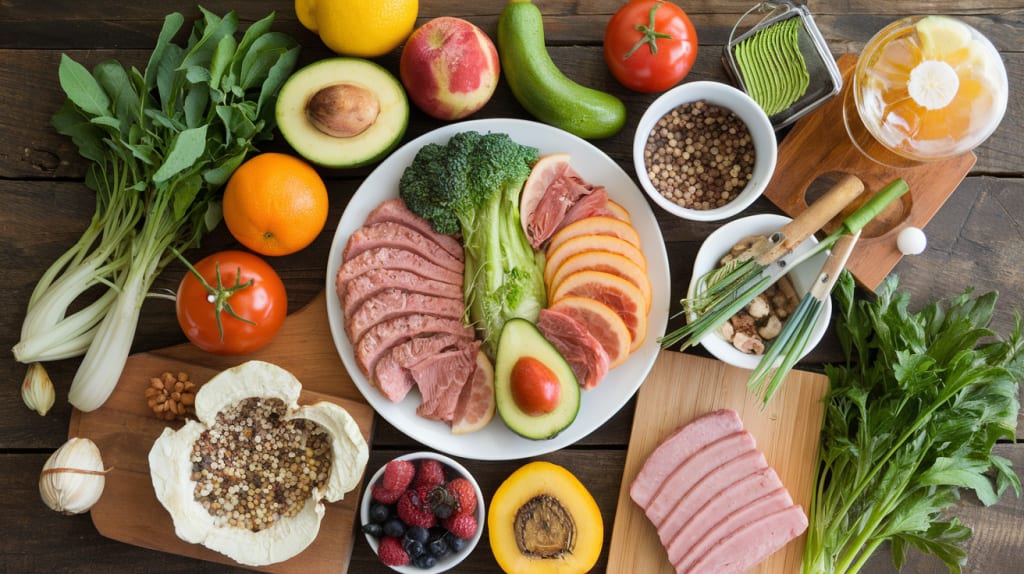
In recent years, there has been a growing awareness of the impact our food choices have on the environment. From greenhouse gas emissions to water usage and deforestation, the food industry plays a significant role in the health of our planet. As consumers, we have the power to make a difference by opting for sustainable eating practices that not only benefit our health but also help protect the environment for future generations. In this article, we will explore how you can make eco-friendly choices in your daily diet.
What is Sustainable Eating?
Sustainable eating, also known as sustainable nutrition or eco-friendly eating, is a practice that aims to minimize the environmental impact of food production and consumption. This includes choosing foods that are produced in ways that preserve natural resources, reduce waste, and support local communities. Sustainable eating also considers the health and well-being of animals, workers, and consumers.
Why is Sustainable Eating Important?
The food industry is a major contributor to environmental degradation. According to the Food and Agriculture Organization of the United Nations (FAO), the global food system is responsible for about one-third of greenhouse gas emissions, 70% of freshwater usage, and 80% of deforestation. These statistics highlight the urgent need for more sustainable food practices to protect our planet.
In addition to environmental concerns, there are also health benefits associated with sustainable eating. By choosing whole, plant-based foods and reducing the consumption of processed and animal-based products, you can lower your risk of chronic diseases such as heart disease, obesity, and diabetes.
Tips for Sustainable Eating
1. Eat More Plant-Based Foods
One of the most effective ways to reduce your environmental impact is by incorporating more plant-based foods into your diet. Plant-based foods require less water, land, and energy to produce compared to animal-based products. According to a study published in the journal Science, switching to a plant-based diet can reduce greenhouse gas emissions by up to 70%.
Start by making small changes such as swapping out meat for plant-based protein sources like beans, lentils, tofu, and quinoa. Incorporate a variety of fruits, vegetables, whole grains, and nuts into your meals to ensure you are getting all the essential nutrients your body needs.
2. Buy Local and Seasonal Produce
Supporting local farmers and purchasing seasonal produce is another way to reduce your carbon footprint. Locally grown foods require less transportation, storage, and refrigeration, which helps to lower greenhouse gas emissions. Visit your local farmers’ market or join a community-supported agriculture (CSA) program to access fresh, seasonal fruits and vegetables.
When shopping for groceries, look for labels that indicate the food is grown or produced locally. By choosing local and seasonal options, you are not only supporting your community but also prioritizing freshness and quality in your meals.
3. Reduce Food Waste
Food waste is a significant issue that contributes to environmental pollution and resource depletion. According to the FAO, approximately one-third of all food produced for human consumption is wasted globally each year. To combat food waste, practice mindful eating habits and plan your meals to avoid buying more than you need.
To minimize waste, use leftovers creatively in new dishes, freeze excess food for later use, and compost food scraps. By reducing food waste, you can save money, conserve resources, and lower your environmental impact.
4. Choose Sustainable Seafood
The fishing industry is a critical component of the global food system, but unsustainable fishing practices can lead to overfishing, habitat destruction, and species depletion. When purchasing seafood, look for seafood with certifications from organizations like the Marine Stewardship Council (MSC) or the Aquaculture Stewardship Council (ASC) that indicate sustainable fishing and farming practices.
Switch to seafood options that are lower on the food chain, such as sardines, mackerel, and anchovies, which are typically more abundant and have a lower environmental impact compared to larger, predatory fish like tuna and swordfish.
5. Support Fair Trade and Ethical Food Brands
In addition to environmental concerns, it is essential to consider the social impact of food production. Look for food brands that prioritize fair labor practices, support small-scale farmers, and promote ethical sourcing of ingredients. Fair trade certifications like Fair Trade USA and Rainforest Alliance ensure that workers are paid fair wages, working conditions are safe, and sustainable farming practices are followed.
By choosing fair trade and ethical food brands, you can support communities around the world and contribute to a more equitable and sustainable food system.
Conclusion
Sustainable eating is a powerful way to make a positive impact on the environment and your health. By incorporating plant-based foods, buying local and seasonal produce, reducing food waste, choosing sustainable seafood, and supporting fair trade and ethical food brands, you can make eco-friendly choices in your daily diet. Start small, experiment with new recipes, and be mindful of the impact your food choices have on the planet. Together, we can create a more sustainable and resilient food system for future generations to enjoy.
About the Creator
Keep reading
More stories from Amily Brown and writers in Filthy and other communities.
Top 5 Cake Trends: What’s Hot in the World of Baking?
In the world of baking, cake trends are constantly evolving, with new flavors, designs, and techniques captivating both bakers and customers alike. From elaborate drip cakes to minimalist naked cakes, there is a wide array of styles that are currently in vogue. In this article, we will explore the top 5 cake trends that are currently hot in the world of baking, backed by expert opinions, real-world examples, and relevant statistics. 1. Drip Cakes Drip cakes have been all the rage in recent years, with their dramatic and eye-catching appearance. These cakes are characterized by a cascade of melted chocolate, caramel, or ganache dripping down the sides of the cake, creating a stunning effect. Drip cakes can be customized with different colors and flavors, making them versatile and perfect for any occasion. According to a survey conducted by Bake Magazine, drip cakes have seen a significant increase in popularity over the past few years, with more and more bakers incorporating this trend into their cake designs. The decadent and indulgent look of drip cakes appeals to a wide audience and is perfect for celebrations such as birthdays, weddings, and anniversaries. One real-world example of a successful drip cake is the "Unicorn Drip Cake" created by Baked by Bien, a popular bakery in New York City. This whimsical cake features pastel colors, edible glitter, and a cascading rainbow drip, making it a favorite among customers looking for a unique and Instagram-worthy dessert. 2. Floral Cakes Floral cakes are another top trend in the world of baking, with bakers incorporating fresh flowers, edible blooms, and intricate sugar flowers into their designs. These cakes are perfect for weddings, bridal showers, and other special occasions, adding a touch of elegance and sophistication to any celebration. According to a report by The Knot, floral cakes have become increasingly popular in recent years, with brides opting for floral-inspired designs instead of traditional wedding cakes. The use of fresh or edible flowers on cakes adds a natural and organic element, creating a visually stunning and romantic look. One expert in the field of baking, Chef Dominique Ansel, predicts that floral cakes will continue to be a popular trend in the coming years, as customers seek out unique and beautiful cake designs for their special events. The versatility of floral cakes allows bakers to experiment with different blooms and colors, resulting in one-of-a-kind creations that appeal to a wide audience. 3. Geode Cakes Geode cakes have taken the baking world by storm, with their mesmerizing crystal-like designs and vibrant colors. These cakes are inspired by the natural beauty of geodes, featuring intricate sugar crystals and edible gemstones that mimic the look of real minerals. Geode cakes are perfect for weddings, birthdays, and other celebrations, adding a touch of glamour and avant-garde style to any event. According to a study by Baking Business, geode cakes have seen a surge in popularity in recent years, with more and more bakers experimenting with this trend. The intricate detailing and craftsmanship required to create geode cakes make them a sought-after dessert for customers looking for a show-stopping centerpiece for their special occasion. One notable example of a geode cake is the "Amethyst Geode Cake" by Sugar Geek Show, a popular baking blog and online community. This stunning cake features a realistic geode structure made from sugar crystals and edible gold leaf, making it a favorite among customers seeking a high-end and glamorous dessert.
By Amily Brown 2 years ago in Filthy



Comments
There are no comments for this story
Be the first to respond and start the conversation.