
Navigating the Complexities of Iranian Hijab Protests and Evolving International Support
Forced hijab is the symbol of oppression
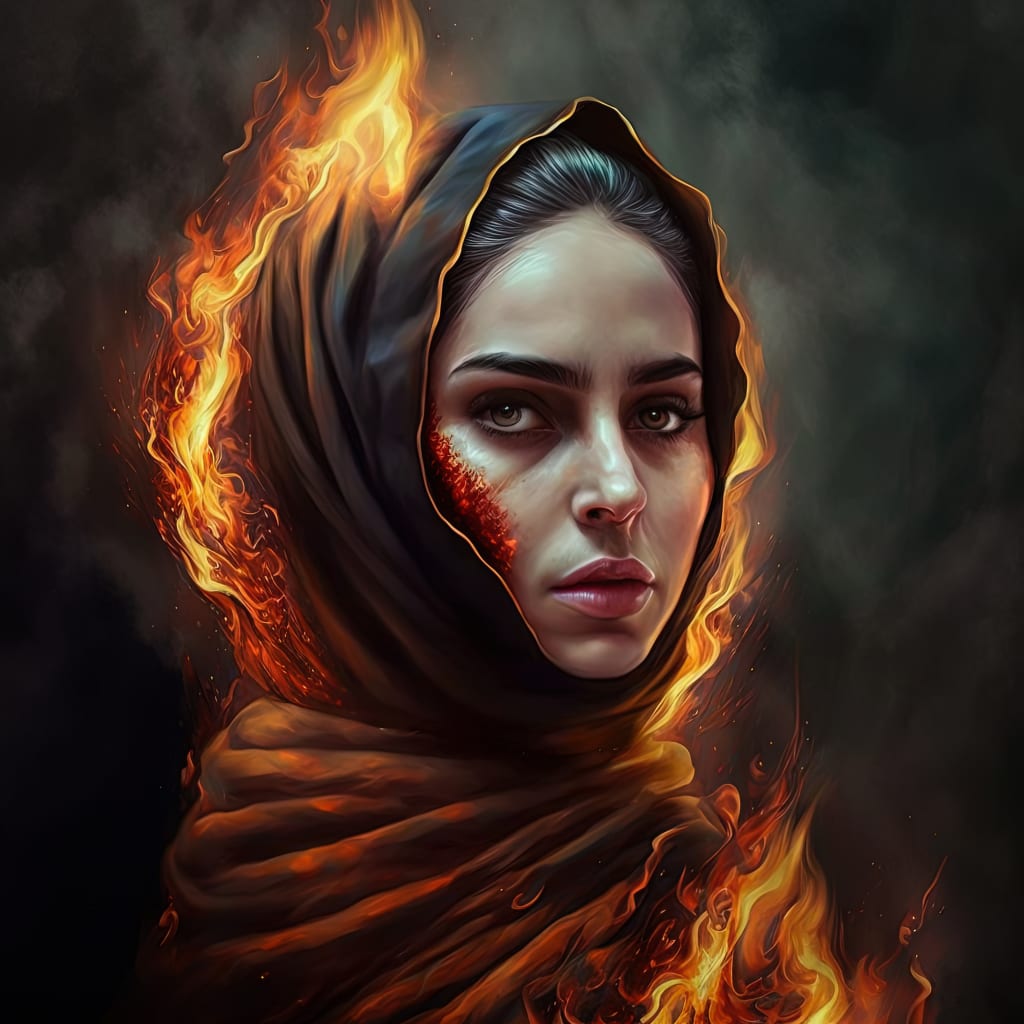
The Iranian hijab protests have become a focal point for discussions around women's rights, religious freedom, and authoritarian rule. The compulsory veil, for many Iranian women, represents a symbol of oppression imposed by the regime. However, for others, it signifies religious piety and cultural identity. As the protests continue to unfold and gain international attention, complex dynamics related to geopolitics, human rights, and social change are coming to the forefront. Western countries that initially supported the Iranian protests have begun to reconsider their stance, influenced by a variety of factors that extend beyond human rights. This article explores these complex dynamics in more detail, examining the reasons behind the waning international support and uncovering the factors that could shape the future of the Iranian protest movement.
The Roots of the Protests and the Role of the Hijab as a Symbol
The compulsory hijab has long been a contentious issue in Iran, with some viewing it as an attempt by the regime to control women's bodies and sexuality. For decades, Iranian women have staged solitary protests by walking the streets without their veils. More recently, mass, face-revealing demonstrations have marked a more confrontational stance, sparked by the arrest and subsequent death of 22-year-old Mahsa Amini for allegedly not wearing her hijab properly.
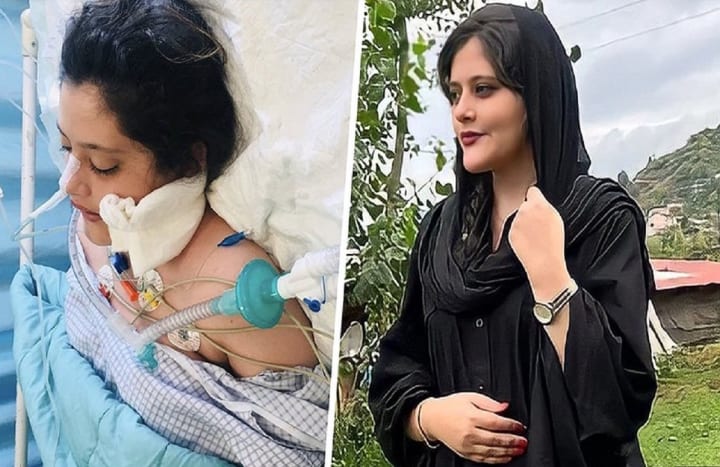
Women began posting photos and videos of themselves cutting their hair and burning their headscarves in protest, with crowds chanting "Death to the dictator!" and targeting Iran's Supreme Leader Ali Khamenei.
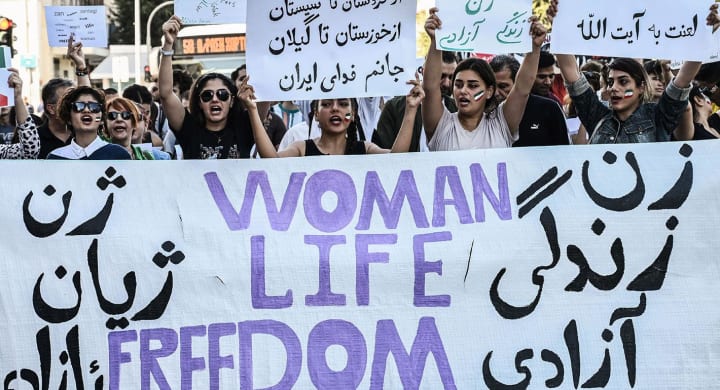
Yet, the hijab also represents religious piety and Iranian identity for some, highlighting the complexities of protests centered on a ubiquitous symbol with divergent meanings. As a Tehran University sociology professor notes, "The hijab has multiple layers of significance...It has become the focal point of political power, which controls and regulates women's lives."
International Politics Affecting Support
Western backing risks undermining the Iranian protest movement, allowing Iran's leaders to paint protesters as foreign agents. Domestic politics also shape international responses, with some European countries fearing a flood of refugees from sanctions-hit Iran. However, human rights advocates argue that compulsory veiling violates fundamental freedoms. Sanctions targeting Iran's morality police and other officials have been issued, but to create lasting change, the growing protest movement must sustain momentum and offer a positive vision that appeals beyond religious and gender divisions. Tactics promoting decentralization and using humor to expose hypocrisy may prove effective.
Several factors could lead Western countries to stop supporting the Iranian protests. These include Iran making geopolitical concessions on other issues, such as the nuclear deal or relations with Israel and the Gulf states; the fear of escalating tensions with Iran leading to a deterioration of the security situation in the Middle East; prioritizing economic or energy interests tied to Iran over supporting democratic movements; the fading and splintering of the Iranian protest movement; and Iran successfully clamping down on and suppressing the unrest.
Additionally, domestic political pressures, public opinion, media coverage, history of relations with Iran, perceptions of regime legitimacy, risk of regional spillover, effectiveness of diplomatic strategies, and alignment with allies all factor into the level and intensity of Western countries' support for the Iranian protests.
Predictions for the Future and Potential Impact on Society
Ultimately, protests centered on headscarf policies offer a lens into deeper issues facing Iranian society. Will pressure from within and without help create new political openings? Achieving substantive change on women's rights and civil liberties will depend on navigating complex trade-offs around cultural identity, religious doctrine, and state authority. The Iranian women risking arrest to walk the streets unveiled have provided a catalyst for transformational debate. How the regime and society at large respond will determine what course Iranian society takes in the years to come.
The Iranian hijab protests and the evolving international support highlight the intricate interplay between domestic and international factors. The future of the Iranian protest movement will depend on its ability to maintain momentum and adapt to the changing political landscape while navigating the complexities of culture, religion, and state power. This movement's outcome could have significant implications for Iranian society and the broader region, with the potential to reshape the discourse on women's rights, religious freedom, and authoritarian rule.
About the Creator
The Complexity of Gender: A Balanced Perspective
If you've been following the news or engaging in conversations on social media, you've probably noticed that the topic of gender has become increasingly complex in recent years. We're no longer simply talking about male and female; there's a growing awareness of non-binary and other gender identities that fall outside of the traditional binary. As someone who's passionate about understanding and discussing cultural shifts, I've decided to dive deep into this topic and share my thoughts with you, my dear readers.
By Mark Ino3 years ago in Unbalanced
Long Lasting Relationships Built On Trust Respect And Emotional Support
Trust is one of the most important elements that sustain long lasting relationships. Without trust, even the most passionate connection can slowly weaken over time. When two people trust each other, they feel emotionally safe and secure within the relationship. They do not constantly question their partner’s intentions or worry about hidden truths. Instead, they believe in each other's honesty and reliability, which creates a sense of calm and stability in everyday interactions.
By Robert Smith6 days ago in Filthy
The Sky Over Tehran is Burning—And I’m Terrified of What’s Next
I’ve spent the last 48 hours glued to my screen, watching the same grainy footage of drone swarms and missile strikes that you’ve probably seen. It’s March 2026, and for the first time in my life, the "Great Middle East War" doesn't feel like a headline anymore. It feels like a physical weight in the room.
By Alex Sterling 4 days ago in Filthy



Comments
There are no comments for this story
Be the first to respond and start the conversation.