
Cuban Power Crisis: Blackouts Leave Island in Darkness, Economy Struggles to Cope
"Nationwide Power Outage Deepens Cuba's Economic Woes and Sparks Public Frustration"
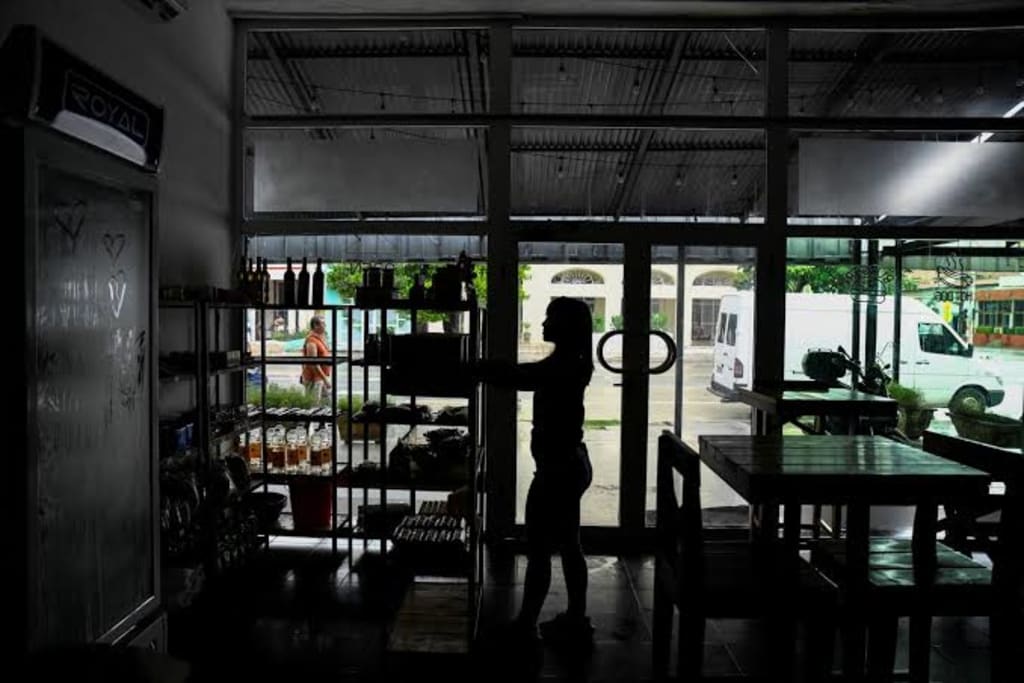
Cuba faced a massive power outage on Friday, October 13th, 2024, plunging the entire island into darkness and paralyzing the nation’s economy. The nationwide blackout resulted from a shutdown of the country’s largest power plant, Antonio Guiteras, located in the city of Matanzas. The power grid failure marked a turning point in Cuba’s deepening energy crisis, which had been worsening due to a lack of fuel, dilapidated infrastructure, and insufficient maintenance.
At 11:07 a.m., Cuba’s Energy and Mining Ministry announced the complete disconnection of the national electrical system. Authorities quickly scrambled to restore power, but it was unclear when the issue would be fully resolved. The blackout was reminiscent of the one experienced in 2022, when Hurricane Ian hit the island, though this latest crisis has no natural disaster to blame. It is a reflection of the country’s ongoing economic struggles, particularly in securing the fuel necessary to keep its energy grid functioning.
An Escalating Energy Crisis
This blackout didn’t come out of nowhere. Over the past few years, Cuba has experienced rolling blackouts, some lasting for hours or days, primarily because of a severe fuel shortage. The situation has become critical, forcing the government to take drastic measures. Just the night before the blackout, Prime Minister Manuel Marrero announced the closure of schools, government offices, and non-essential businesses. Many entertainment venues, like discos, were also shut down as the government tried to conserve what little energy remained.
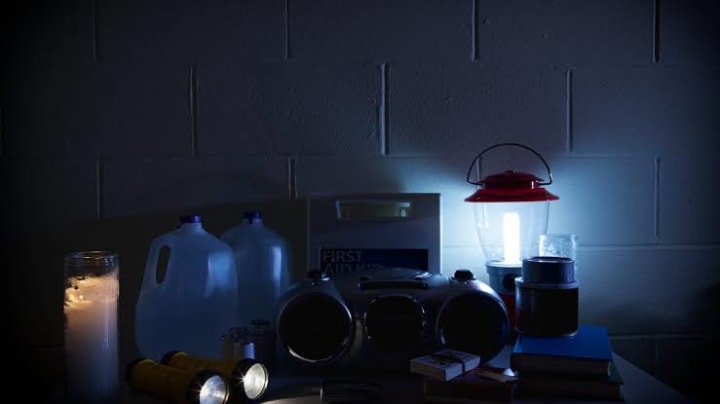
“We have had to paralyze the economy to guarantee a minimum of electrical service,” Marrero said on state television, explaining that halting production and closing down businesses was the only way to keep basic services going.
The Impact on Daily Life
Cuba’s reliance on energy imports, mainly from Venezuela, has made the island particularly vulnerable to energy shortages. In the first nine months of 2024, Cuba only received about half the amount of oil it had imported during the same period in 2023. With Venezuela grappling with its own energy challenges, it has been unable to continue supplying Cuba with the same levels of fuel. This shortfall has left millions of Cubans facing power cuts and disruptions to daily life.
For ordinary Cubans, the impact of these blackouts is immediate and devastating. Without electricity, essential services such as refrigeration, air conditioning, and public transport grind to a halt. People can’t store food properly, students can't attend school, and businesses are unable to operate. In central Havana, one worker commented on X (formerly Twitter), “In the three years that I’ve been here, it’s never gone out. Things are really serious.”
Across the island, residents reported being unable to sleep because of the intense heat and lack of working fans. Lili Gonzalez, a soap vendor in Cienfuegos, expressed her frustration over WhatsApp, saying, “It’s now been 14 hours of electricity blackout and we can’t sleep at all, because our fans don’t work. So who would have the energy to take their kid to school anyway?”
Economic and Political Fallout
The economic consequences of this energy crisis are dire. William Leogrande, a specialist on Cuba at American University, pointed out that the blackout has essentially shut down all domestic production. Factories are closed, small businesses can’t operate, and people are left without jobs and wages. For a country already suffering from food shortages and rising inflation, this energy collapse is just one more blow to an already fragile economy.
The blackout also presents a serious political risk to Cuba’s Communist government. In recent years, Cubans have taken to the streets in protest, fed up with constant power cuts and deteriorating living conditions. In July 2021, thousands of people participated in nationwide demonstrations, the largest seen in decades. The current blackout could trigger similar unrest as people become more frustrated with the government’s inability to solve the energy crisis.
“The blackouts have caused more local unrest than just about any other shortage,” Leogrande noted, emphasizing that the government may face growing pressure to find a solution.
Blame and Challenges Ahead
Cuban President Miguel Díaz-Canel has acknowledged the severity of the crisis and vowed that the government is giving “absolute priority” to fixing the problem. He assured citizens that they “would not rest until [power] is reestablished.” However, solving Cuba’s energy crisis is not easy, and the government faces multiple challenges in doing so.
One of the immediate problems is the U.S. trade embargo, which limits Cuba’s access to foreign fuel and other industrial inputs. Díaz-Canel has blamed the embargo and U.S. sanctions for making it difficult to import the resources necessary to maintain the country’s power grid. Additionally, bad weather last week delayed the arrival of an oil shipment, which could have helped ease the crisis.
On a larger scale, Cuba’s reliance on Venezuela for oil has become a significant problem. As Venezuela’s own energy sector struggles, Cuba’s fuel supply has been dramatically reduced, leaving the island in a vulnerable position. While some wealthier Cubans have turned to generators to get through the blackout, the vast majority of people cannot afford such luxuries. With an average monthly salary of just $10, buying a portable generator is out of reach for most.
Conclusion
Cuba’s energy crisis has reached a critical point, and the island-wide blackout has brought the nation to a standstill. As the government works to restore power, the longer-term challenges of securing fuel and maintaining infrastructure remain daunting. For now, Cubans are left to endure the sweltering heat, disrupted daily lives, and uncertainty over when the lights will come back on.
About the Creator
United States Hotel Market Size & Forecast 2025–2033: Experience-Driven Travel Fuels a New Era of Growth
United States Hotel Market Outlook The United States hotel market is poised for steady and resilient expansion, rising from US$ 255.33 billion in 2024 to US$ 422.10 billion by 2033, reflecting a compound annual growth rate (CAGR) of 5.76% during 2025–2033. Growth is being driven by strong domestic travel demand, rising interest in experience-based stays, continued investment in hotel development, and the digital transformation of guest services. As leisure and business travel stabilize across the country, hotels of all categories—from luxury resorts to economy motels—are benefiting from shifting traveler preferences and renewed mobility.
By Marthan Sir5 days ago in Filthy
Europe Online Travel Market Size and Forecast 2025–2033
Europe Online Travel Market Outlook (2025–2033) The Europe Online Travel Market is undergoing a powerful transformation as digital innovation, changing consumer preferences, and sustainability-driven choices redefine how Europeans plan and book their journeys. According to Renub Research, the market is expected to expand from US$ 215.05 billion in 2024 to US$ 560 billion by 2033, registering a strong CAGR of 11.22% from 2025 to 2033.
By Janine Root about 4 hours ago in Filthy




Comments (1)
well done