

The question of what happens when a person dies is one that has intrigued humanity for centuries, intertwining scientific, philosophical, religious, and cultural perspectives. While no single answer can encompass the full breadth of this profound subject, we can explore various interpretations and theories regarding death, the processes that accompany it, and the potential implications for what may follow.
### Biological Perspective
From a biological standpoint, death marks the end of an organism's life functions. It typically occurs when the heart stops beating, ceasing blood circulation and depriving the body of oxygen. The brain, which requires a constant supply of oxygen, begins to shut down within minutes. Cellular functions also begin to deteriorate, leading to a cascade of biochemical changes. Rigor mortis, or stiffening of the muscles, sets in several hours after death as biochemical processes cease. Decomposition follows, influenced by environmental factors, which involves the breakdown of tissues and the eventual return of organic matter to the ecosystem.
### Psychological Perspective
Psychologically, the experience of dying can vary widely. Many individuals report a range of emotions, including fear, sadness, relief, or acceptance. The awareness of impending death can lead to reflections on life and legacy. The terminal phase of life often prompts individuals to confront existential questions, ponder the meaning of life, and seek reconciliation with unresolved issues.
Some people experience a phenomenon known as near-death experiences (NDEs). These experiences can involve feelings of detachment from the body, a sense of moving through a tunnel, encountering bright lights, or meeting deceased loved ones. Although interpretations of NDEs vary, they raise questions about consciousness and what might exist beyond death.
### Philosophical and Existential Considerations
Philosophically, the question of what happens after death touches upon concepts of consciousness, identity, and existence. Dualism, a perspective famously associated with philosopher René Descartes, posits that the mind and body are distinct entities. In this view, the soul might continue to exist after the physical body dies. Conversely, materialist perspectives argue that consciousness arises solely from physical processes, suggesting that death results in the complete cessation of consciousness and identity.
Existentialism, a philosophical movement that explores the meaning of existence, often grapples with the reality of death. Existentialists like Jean-Paul Sartre and Martin Heidegger emphasize that awareness of mortality can enrich our understanding of life, prompting individuals to live more authentically and meaningfully. The inevitability of death serves as a catalyst for individuals to find purpose in their lives, prompting them to consider how they wish to be remembered.
### Religious and Spiritual Perspectives
Religious beliefs profoundly shape individuals’ views on death and what may follow. Most world religions offer their interpretations of an afterlife or a spiritual continuation of existence. For example:
- **Christianity** generally teaches that after death, individuals face judgment and are sent to Heaven or Hell based on their faith and actions in life. Some denominations also believe in purgatory, a state of purification for souls before they enter Heaven.
- **Islam** holds that after death, individuals are judged by Allah, leading to either eternal reward in Paradise or punishment in Hell. The concept of the Day of Judgment is central to Islamic eschatology.
- **Hinduism** embraces the idea of reincarnation, where the soul is reborn into a new body based on the karma (actions) accumulated in previous lives. The ultimate goal is to achieve moksha, or liberation from the cycle of rebirth.
- **Buddhism** similarly teaches about reincarnation and karma, emphasizing the importance of overcoming desires to achieve Nirvana, a state of liberation and freedom from suffering.
### Cultural Interpretations
Cultural views on death vary significantly around the world. In many cultures, death is seen as a transition rather than an end. For instance, in some Indigenous cultures, death is viewed as a journey to another realm where the deceased continues to exist among ancestors. Rituals surrounding death often reflect beliefs about honoring the deceased and facilitating their passage into the afterlife.
### Conclusion
In conclusion, what happens when we die is a multifaceted question that defies a singular answer. Biologically, death signifies the end of life functions, leading to decomposition. Psychologically, it evokes a range of emotions and reflections. Philosophically and existentially, it prompts profound inquiries about consciousness and identity. Religiously and culturally, beliefs about the afterlife offer varied interpretations that provide comfort and meaning to many.
Ultimately, the question of what happens when we die may remain one of the great mysteries of human existence, encouraging ongoing exploration and contemplation. Each perspective invites individuals to grapple with their beliefs about life, death, and the possibility of what lies beyond, fostering a deeper understanding of the human experience.
About the Creator
Reader insights
Outstanding
Excellent work. Looking forward to reading more!
Top insights
Excellent storytelling
Original narrative & well developed characters
Expert insights and opinions
Arguments were carefully researched and presented
Eye opening
Niche topic & fresh perspectives
Heartfelt and relatable
The story invoked strong personal emotions
On-point and relevant
Writing reflected the title & theme
Keep reading
More stories from Mohamed Hassan and writers in Fiction and other communities.
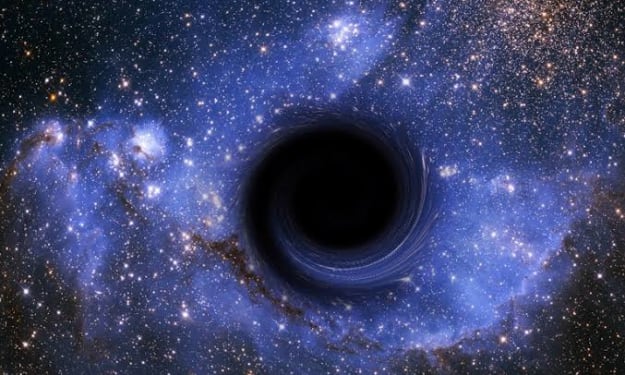
What’s on the other side of black hole?
Black holes have long captivated the imaginations of scientists and the public alike, not only due to their enigmatic nature but also because of the profound implications they have for our understanding of the universe. When we talk about black holes, we often focus on their formation, characteristics, and the extreme gravitational forces they exert. However, to gain a more holistic understanding of black holes, it is essential to explore some of the lesser-discussed aspects, including their formation, potential links to other cosmic phenomena, and theories about what might exist beyond their event horizons.
By Mohamed Hassanabout a year ago in FYI



Comments (2)
It will never be solved it divine matter
Loved it