
Unpacking "The Turn of the Screw": A Gothic Classic by Henry James
A Psychological Exploration of the Governess's Mind and the Haunting Power of Evil

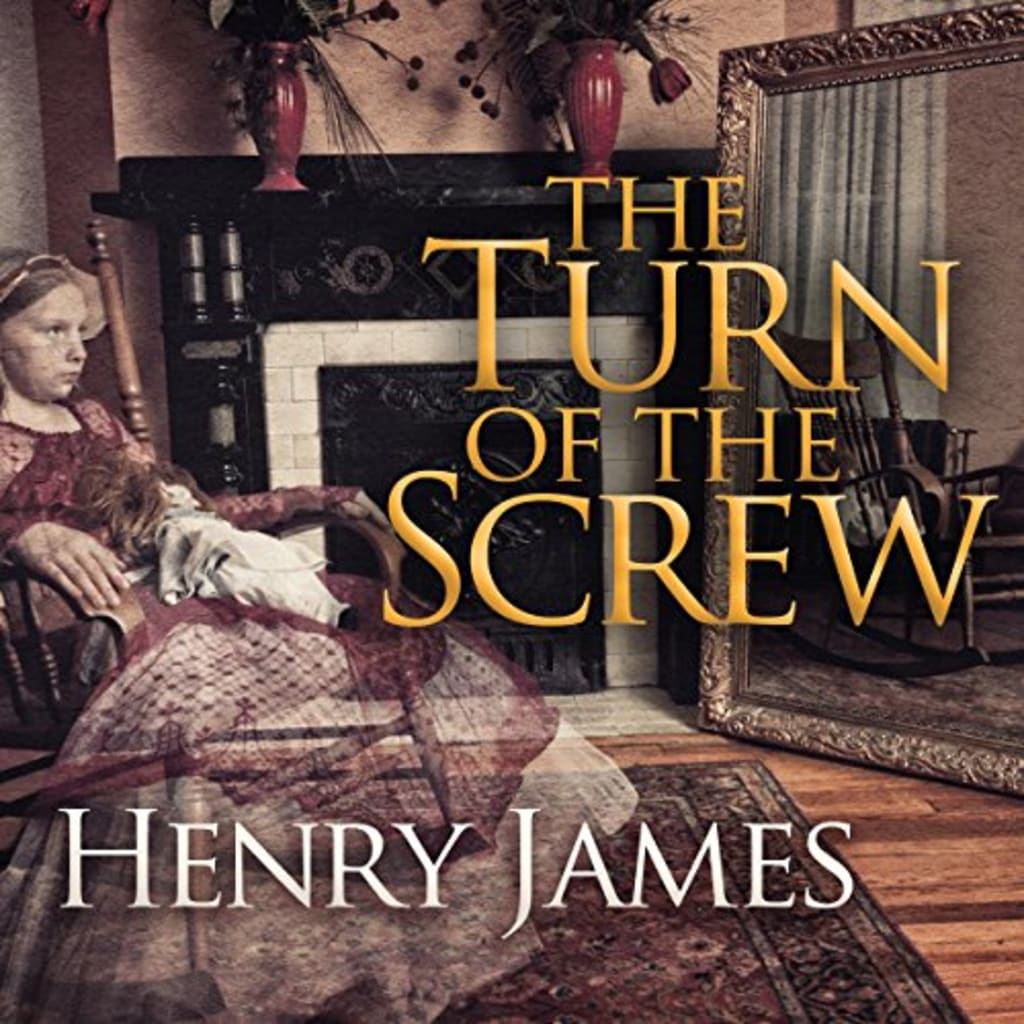
Henry James' "The Turn of the Screw" is a gothic novel that was first published in 1898. The book is set in a remote country house in England, and tells the story of a young governess who is hired to look after two orphaned children. As the story progresses, the governess becomes convinced that the children are being haunted by the ghosts of their former caretakers, and she struggles to protect them from these malevolent spirits.
Plot Summary
"The Turn of the Screw" is set in Bly, a remote country house in England. The story begins with a framing narrative in which a group of people are gathered around a fireplace, listening to a man named Douglas tell a ghost story. Douglas claims to have a manuscript that contains a true account of a haunting, and he proceeds to read from it.
The manuscript is written by the governess, who is never named in the book. She is hired by a wealthy bachelor to look after his orphaned niece and nephew, Flora and Miles. The governess is immediately struck by the beauty and innocence of the children, but she soon becomes convinced that they are being haunted by the ghosts of their former caretakers, Miss Jessel and Peter Quint.
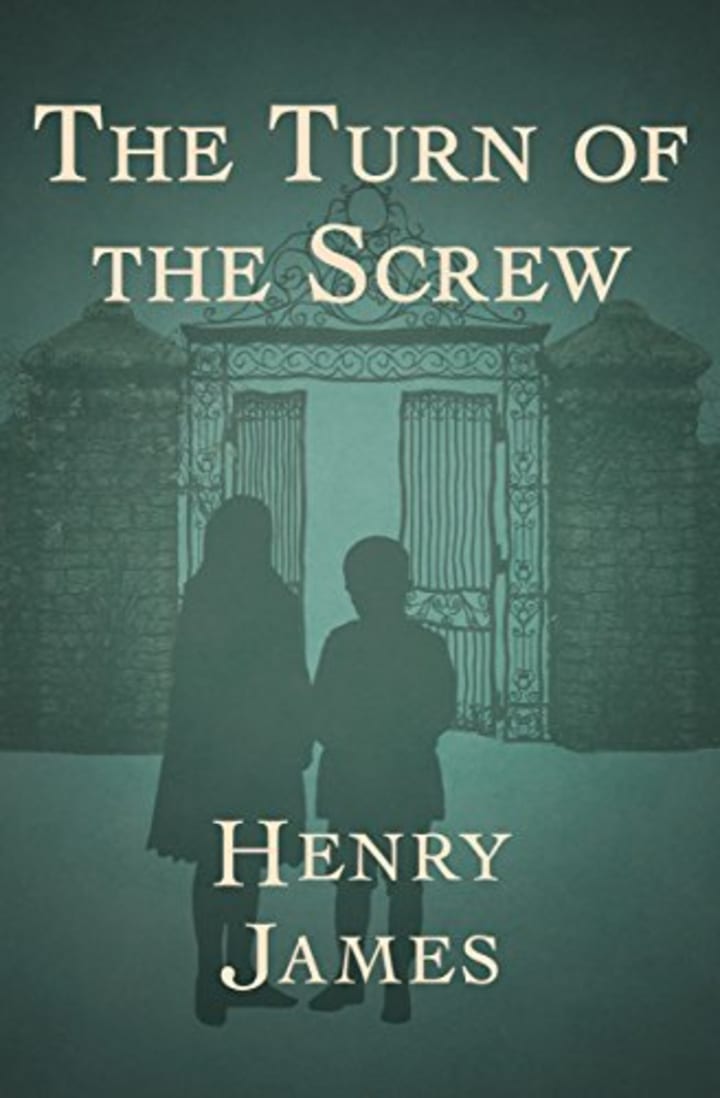
The governess becomes increasingly obsessed with the idea that the ghosts are trying to possess the children's souls, and she tries to protect them from these malevolent spirits. She becomes convinced that the children are aware of the ghosts, but are too afraid to tell her. The governess's mental state deteriorates as she becomes more and more convinced that she is the only one who can save the children.
The story ends with the governess confronting Miles, who has been expelled from his school for unknown reasons. She accuses him of being in league with the ghosts, and he dies in her arms. The book ends with the framing narrative, in which the listeners are left to ponder the true nature of the haunting.
Analysis
"The Turn of the Screw" is a complex and ambiguous novel that has been the subject of much debate among literary critics. Some see it as a straightforward ghost story, while others argue that it is a psychological thriller that explores the inner workings of the human mind.
One of the major themes of the novel is the corrupting influence of evil. The ghosts of Miss Jessel and Peter Quint represent this evil, and their presence at Bly disrupts the previously idyllic existence of the children and the governess. The governess is particularly susceptible to this corruption, as she becomes increasingly paranoid and delusional as the story progresses.
Another important theme is the nature of reality. The novel is narrated by the governess, and it is unclear whether the events she describes actually happened, or whether they are the product of her imagination. This ambiguity has led to much speculation about the true nature of the haunting, and whether the ghosts are real or simply a figment of the governess's imagination.
Critical Reception
"The Turn of the Screw" was initially met with mixed reviews upon its publication in 1898. Some critics praised the novel's psychological depth and subtle ambiguity, while others found it confusing and overly complex. However, over time the book has come to be recognized as one of Henry James' most important works.
Modern interpretations of the novel have focused on its psychological elements, with many critics seeing it as an exploration of the governess's own mental state. Some have suggested that the ghosts represent the governess's own repressed desires and fears, and that her attempts to protect the children are a way of projecting her own anxieties onto them.
Adaptations
"The Turn of the Screw" has been adapted into numerous films, stage plays, and television shows. One of the most famous adaptations is the 1961 film "The Innocents", which stars Deborah Kerr as the governess. The film was praised for its atmospheric cinematography and haunting score, and is widely considered to be one of the best film adaptations of a James novel.
The book has also been adapted for the stage, with productions ranging from traditional adaptations to more experimental interpretations. One notable example is the 2018 production by Ivo van Hove, which featured only two actors and was set in a contemporary office.
Conclusion
"The Turn of the Screw" is a complex and haunting novel that continues to captivate readers and scholars alike. Its psychological depth and ambiguous narrative structure have led to a wide range of interpretations and adaptations, and its legacy as a classic of gothic literature is assured.
FAQs
Q. Is "The Turn of the Screw" a true story?
A. No, "The Turn of the Screw" is a work of fiction.
Q. What is the significance of the ghosts in the novel?
A. The ghosts represent the corrupting influence of evil and the psychological state of the governess.
Q. What is the framing narrative in the novel?
A. The framing narrative is a group of people gathered around a fireplace listening to a man named Douglas tell a ghost story.
Q. What is the significance of the title?
A. The title refers to the idea of a gradual turning or twisting of the screw, which represents the governess's increasing paranoia and mental deterioration.
Q. Why has the novel remained popular for over a century?
A. The novel's ambiguous narrative structure and psychological depth continue to captivate readers and scholars, and its influence on gothic and horror literature is significant.
About the Creator
Mahammad Azmal
Explore the lives of history's most influential figures on my channel! From scientists to leaders, discover the stories of famous individuals who shaped our world. Subscribe now!
Keep reading
More stories from Mahammad Azmal and writers in Fiction and other communities.
"65"
The film "65" is a curious case indeed. Despite its premise of Adam Driver fighting dinosaurs, the movie manages to be quite boring. A big-budget sci-fi epic with a reported cost of $91 million, "65" had the potential to embrace its B-movie roots and deliver a fun, entertaining romp.
By Mahammad Azmal3 years ago in Fiction
So You Decided To Become a Nurse Practitioner:
So you decided to become an "Advanced Practice" nurse. Congratulations!... is what I would say if this was a good idea. Grad school? In this economy? What were you thinking? Likely it was something along the lines of either 1) “I've seen these other chucklefucks do it— Why can't I?” or even 2) “I've got a nice career, I should shake it up. I miss feeling like I have no clue what I'm doing.”
By Sandor Szabo3 days ago in Fiction




Comments
There are no comments for this story
Be the first to respond and start the conversation.