
“Umrao Jaan Ada: The Woman Who Turned Pain into Poetry”
Love, Loss, and the Price of Respect

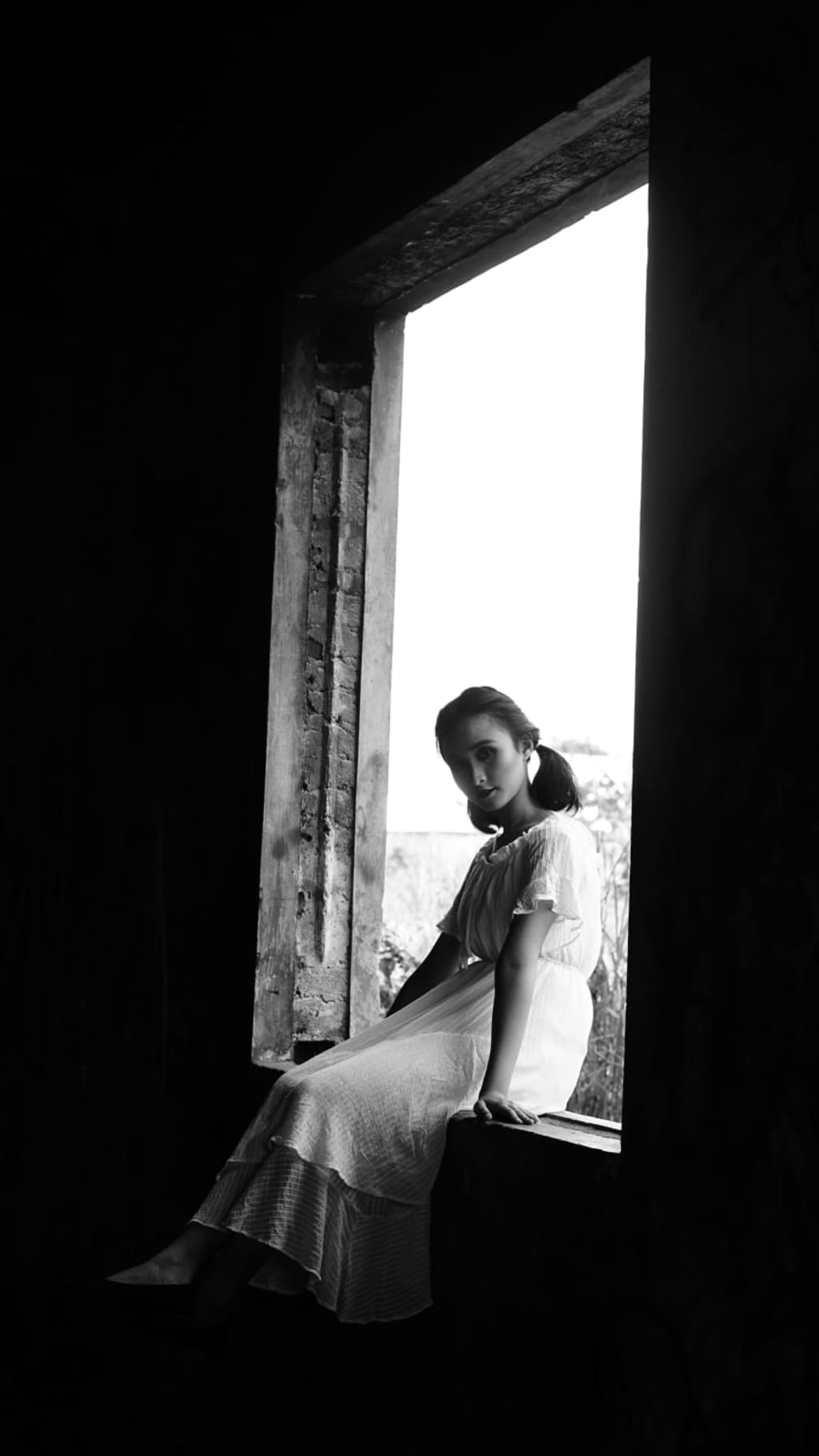
Some stories don’t fade with time — they breathe through generations.
Among the timeless voices of Urdu literature stands one unforgettable woman: Umrao Jaan Ada.
Her name carries grace, pain, and rebellion — a symbol of feminine dignity in a world that tried to silence her.
Written by Mirza Hadi Ruswa in 1899, this story is not just about a courtesan; it is about a woman who transformed her sorrow into strength and her wounds into words.
From Innocence to Isolation — A Life Stolen Too Soon
Before she became Umrao Jaan, she was Mehboobun, a bright young girl full of dreams and laughter.
Her life changed one tragic night when she was kidnapped and sold to a kotha (courtesan’s house) in Lucknow.
That world glittered with music, poetry, and silk — yet behind every smile hid a wound.
At the kotha, Mehboobun learned dance, poetry, and etiquette, mastering every art of elegance.
But more than anything, she learned how to survive.
In that moment, the innocent girl named Mehboobun was reborn as Umrao Jaan Ada, the most celebrated courtesan of her time.
Her beauty became her weapon, her words became her refuge — and her poetry became her voice of truth.
The Woman Behind the Veil — Heartbreaks, Hopes, and Humanity
To the world, Umrao was a symbol of grace and charm.
But behind her mesmerizing smile lived a woman who had been betrayed too many times.
She loved deeply — yet love always abandoned her.
Men admired her beauty, praised her ghazals, and wrote songs about her —
but none truly saw her pain.
Still, she never allowed heartbreak to define her.
In one unforgettable line, she declares:
> “I may be a courtesan, but I am not the dust beneath anyone’s feet.”
These words echo with quiet defiance.
Umrao was not a fallen woman — she was a woman who refused to fall.
Her pain did not destroy her; it polished her into poetry.
Lucknow — The City of Beauty and Hypocrisy
Ruswa’s Lucknow is a character of its own — a city draped in refinement, ghazals, and perfumed evenings.
Every corner echoed with art, music, and eloquence.
But beneath that charm lived hypocrisy.
Men who praised poetry in public would shame the women who performed it in private.
They sought beauty, yet condemned the women who embodied it.
Umrao Jaan Ada became both the pride and the wound of Lucknow —
a mirror reflecting the city’s love for art and its fear of female freedom.
Through her, Ruswa exposed a truth that still feels relevant:
society celebrates women’s beauty but punishes their independence.
Beyond Shame and Sin — The Rebirth of Self-Respect
What makes Umrao truly remarkable is her transformation.
She doesn’t remain a victim of circumstance; she becomes a philosopher of her own existence.
Through her art, she discovers a power that society never intended for her to have — intellectual freedom.
Her poetry turns pain into reflection.
Her performance becomes protest.
Her silence becomes strength.
Ruswa presents her as a woman who, even when trapped by society’s rules, finds her own way to reclaim identity and dignity.
She becomes the voice of every woman who was ever misunderstood yet unbroken.
The Message That Still Echoes Through Time
More than a century has passed, but Umrao Jaan Ada still speaks to us.
Her struggle is the story of countless women — those judged for their pasts, silenced for their choices, and overlooked for their brilliance.
Ruswa’s masterpiece reminds us that respect is not something given by others; it’s something owned by oneself.
Umrao Jaan teaches that grace is not about perfection — it’s about holding your head high even when the world bows it low.
She was born in captivity but lived with freedom of thought.
She was loved and abandoned, celebrated and condemned —
yet through it all, she remained a woman of unmatched strength and soul.
A Legacy of Grace and Courage
“Umrao Jaan Ada” is not just a novel — it’s a mirror that still reflects our world.
It reminds us that a woman’s worth is never measured by her circumstances, but by her courage to stay true to herself.
> “To understand her story,” Ruswa seems to say,
“you must read her heart, not her history.”
Her life may have begun in sorrow,
but her spirit — like her poetry — lives forever.
About the Creator
hamad khan
I write stories that touch hearts and heal minds.
Through simple words, I share real-life lessons, emotions, and moments of reflection.
Join me on a journey of healing, hope, and self-discovery.
Keep reading
More stories from hamad khan and writers in Fiction and other communities.
Tommy the Tomato & Peter the Potato: A Friendship That Couldn’t Be Broken
The Oddest Pair in the Vegetable Market In a bustling little vegetable market, two very different vegetables shared a basket. Tommy the Tomato was bright red, shiny, and full of energy, while Peter the Potato was brown, plump, and calm, content to sit quietly in the corner.
By hamad khan3 months ago in Fiction
Instructions I Never Received
Not the polite kind people give you. The ones that say things like take your time or stay strong. I mean real instructions. Step by step. Like the ones that come with furniture, except no parts are missing and nothing ends up crooked.
By Salman Writes7 days ago in Fiction


Comments
There are no comments for this story
Be the first to respond and start the conversation.