
The Year of No Gravity: Life in a Floating World
Life in a Floating World
The Year of No Gravity: Life in a Floating World
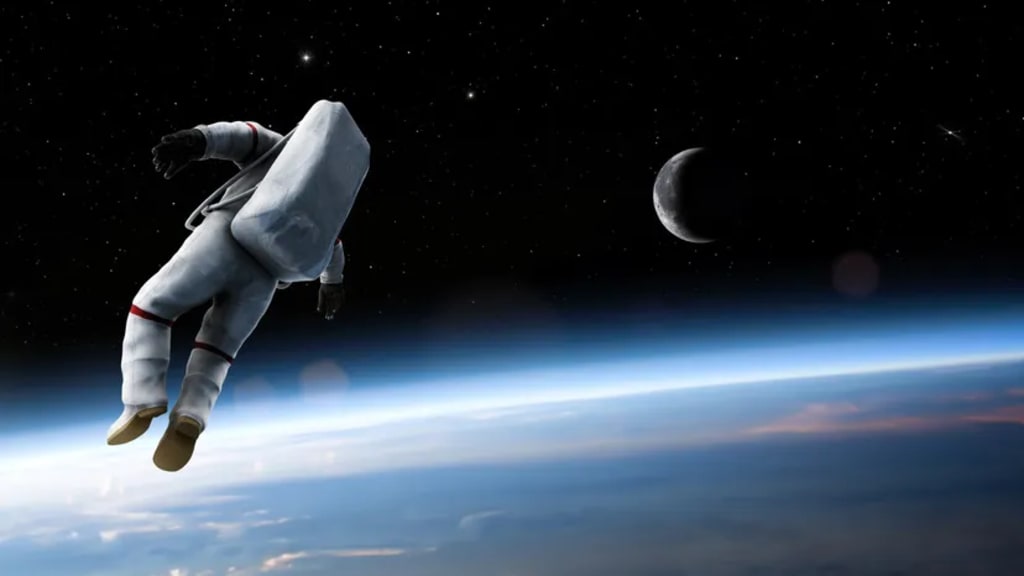
Imagine a world where the fundamental force of gravity suddenly ceases to exist. For a year, our planet becomes a floating playground, a realm where the laws of physics as we know them are upended, and life is transformed in profound ways. This scenario, while speculative, offers a fascinating exploration of the impact of gravity on our daily lives, societal structures, and the natural environment. In this article, we delve into the implications of such a drastic change, envisioning how humans and the world at large might adapt to a gravity-free existence.
The Mechanics of a Gravity-Free World
Gravity is the force that pulls objects toward one another, and its absence would fundamentally alter the way objects and people interact. The scenario of a “Year of No Gravity” assumes a complete and sudden loss of gravitational pull on Earth. Here’s what would theoretically happen:
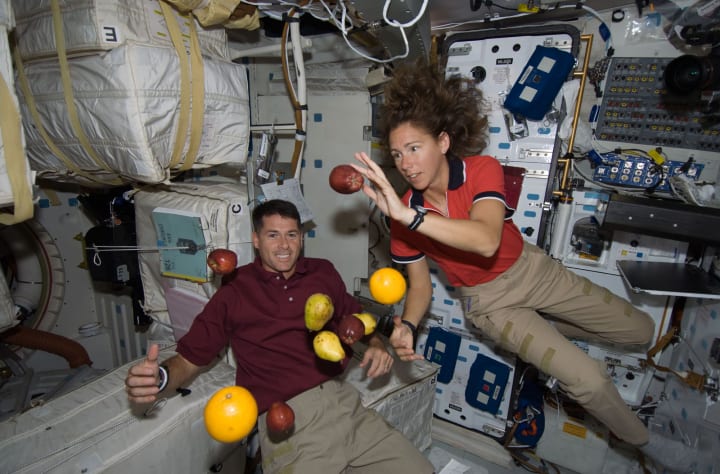
- Immediate Effects: In the absence of gravity, everything not anchored to a surface would start floating. Buildings, vehicles, and people would drift into the air. The initial moments would be chaotic as people, objects, and structures become unmoored from their usual positions.
- Atmospheric Changes: With no gravity to hold it in place, Earth's atmosphere would start to drift into space. This would lead to a rapid loss of breathable air, making survival a critical issue. The planet's weather systems would also be disrupted, as the movement of air masses would be significantly altered.
- Structural Integrity: Buildings and infrastructure designed to counteract gravitational forces would collapse or become unstable. Engineering solutions to anchor and stabilize structures in a gravity-free environment would be urgently needed.
Adapting to a Floating Existence
In a world where gravity is absent, human life would have to adapt to new ways of living and interacting. Here’s how various aspects of life might change:
- Daily Life and Mobility: Without gravity, traditional modes of transportation would become obsolete. People would need to adapt to floating and maneuvering through three-dimensional space. Technologies such as propulsion systems, magnetic levitation, or repulsive forces might become essential for movement and navigation.
- Housing and Urban Planning: Homes and buildings would need to be redesigned to accommodate floating residents. This might include developing anchored stations or modular structures that can stabilize and secure living spaces. Architects and engineers would face the challenge of creating functional, comfortable environments where the concept of floors and ceilings no longer applies.
- Health and Safety: In the absence of gravity, the human body would face numerous challenges. Muscles and bones, accustomed to gravity, would weaken and deteriorate without the constant force of gravity. Medical solutions such as artificial gravity environments or advanced physiotherapy could be crucial for maintaining health. Additionally, the risk of collisions and injuries would increase as people and objects drift freely.
- Agriculture and Food Production: Growing food without gravity would be a major challenge. Traditional farming methods rely on gravity to move water and nutrients through plants. Alternative systems, such as hydroponics or aeroponics, would need to be developed to cultivate crops in a gravity-free environment.
Societal and Environmental Implications
The societal and environmental impacts of a year without gravity would be profound:
- Social Structure: Communities would need to adapt to a new way of living and working. Social norms and interactions would shift as people adjust to floating and maneuvering in a three-dimensional space. Traditional concepts of private and public spaces might evolve, and new forms of communal living might emerge.
- Environmental Impact: The loss of gravity would affect ecosystems and wildlife. Animals adapted to gravity might struggle to survive or adapt. Environmental systems, such as ocean currents and weather patterns, would be disrupted, potentially leading to significant ecological changes.
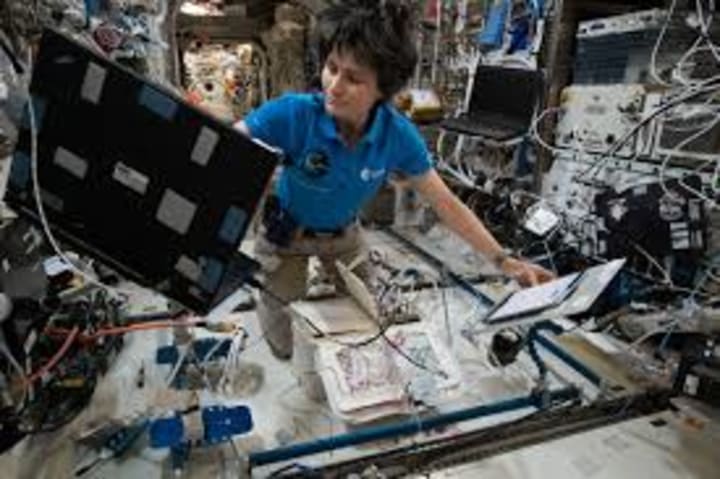
- Scientific Exploration: The year without gravity could serve as a unique opportunity for scientific exploration. Researchers could study the effects of zero gravity on various physical and biological processes. Space agencies and scientists would gain valuable insights into how life adapts to the absence of gravity, potentially informing future space missions and technologies.
Theoretical and Cultural Reflections
The concept of a “Year of No Gravity” is not just a scientific curiosity but also a rich source of theoretical and cultural reflection:
- Philosophical Implications: The absence of gravity challenges our understanding of physical laws and existence. It raises questions about the nature of reality and our place within it. The experience of living without gravity could lead to a deeper philosophical exploration of our dependence on physical forces and the limits of human adaptation.
- Cultural Representations: In literature and media, gravity-free scenarios are often used to explore themes of freedom, isolation, and human ingenuity. The idea of a floating world captures the imagination and invites creative storytelling, providing a canvas for exploring human resilience and innovation in the face of extraordinary challenges.
Conclusion
“The Year of No Gravity: Life in a Floating World” presents a fascinating thought experiment that challenges our understanding of physics, human adaptation, and societal structures. While a world without gravity is a purely speculative scenario, it serves as a powerful reminder of the profound impact that fundamental physical forces have on our lives. By exploring the implications of such a drastic change, we gain a deeper appreciation for the intricate balance of forces that shape our world and the extraordinary adaptability of the human spirit.
The concept, while not derived from any single source, is inspired by the speculative nature of science fiction and theoretical physics, which often explore the boundaries of our understanding and push the limits of imagination.
About the Creator
The Day is Coming
“Good morning Alexa. How’s the traffic out today?” “Good morning. Roads are looking good. But it’s not the other drivers that are the problem. It’s you. You’re always in a big hurry and drive like the devil is after you. No wonder you have had so many speeding tickets and fender benders.”
By Rae Fairchild (MRB)about 16 hours ago in Fiction


Comments