
The Meaning Behind Pirate Colors and Symbols
A Journey Into Pirate Culture

Pirates have long captured the human imagination with their swashbuckling adventures, buried treasure, and rebellious spirit. But beneath the surface of the pirates' fierce reputation lies a world rich with symbolism. Pirate flags, colors, and symbols were not just meant to strike fear into the hearts of their enemies—they also carried deep meanings and were an essential part of pirate culture.
The Pirate Flag: A Symbol of Power
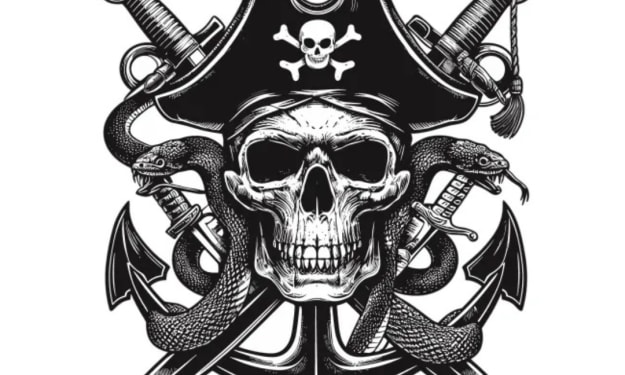
The infamous "Jolly Roger," the flag of the pirate, is perhaps the most recognizable symbol associated with pirates. The black flag with a skull and crossbones has become synonymous with piracy, but its origins run much deeper than the imagery itself.
The color black of the Jolly Roger was chosen for a reason. In the world of pirates, black represented danger, fearlessness, and death. It was a way to intimidate enemy ships into surrendering without a fight. In the harsh and often brutal world of piracy, where every decision could mean life or death, the black flag symbolized a pirate's willingness to fight to the death if necessary.
Skull and Crossbones: A Mark of Danger
The skull and crossbones, often seen on the Jolly Roger flag, is another emblem with a deeper meaning. It was more than just a symbol of death—it was a warning. The symbol meant that if a ship resisted a pirate’s demands, the consequences would be deadly. Pirates were known for their ruthlessness, and this symbol reflected that dangerous, fearless nature.
In the pirate world, the skull and crossbones also served as a psychological tool. It was used to strike terror into the hearts of those who saw it. In fact, many pirate ships would fly the flag high above their ships, hoping to intimidate their targets into surrender without firing a shot. The image of death was enough to persuade even the most hardened merchant captains to comply.
The Red Flag: The Threat of No Mercy
Another key symbol in pirate culture was the red flag, often associated with pirate ships engaged in warfare. The red flag signified that there would be no mercy—any ship flying this flag meant that the pirates were ready for a fight, and they would show no quarter. This symbol was not just a threat; it was a declaration of aggression. Pirates who hoisted the red flag were known to be particularly fierce, and it was a message that resistance was futile.
While the black flag signaled a desire to instill fear, the red flag symbolized violence and bloodshed. Pirates who flew the red flag were sending a message that they were prepared to fight to the death, and they would not show mercy to anyone who opposed them.
The Meaning of Pirate Colors: A Code of Honor and Fear
The use of colors in pirate culture wasn’t just about aesthetics—it had a very real purpose. In many ways, pirates used colors as a form of communication. Each color had its own meaning, and they were often chosen strategically to convey a specific message to their enemies.
Black: As mentioned earlier, black represented death, fear, and danger. It was a symbol that the pirate crew was not afraid to die for their cause and would show no hesitation in attacking.
Red: Red was associated with blood, battle, and aggression. When pirates raised the red flag, it meant they were ready for combat, and they would show no mercy.
White: While not as commonly seen, the white flag represented surrender and truce. Pirates were known to use it when they were negotiating or when they wished to signal their willingness to strike a deal.
The Pirate Code: More Than Just Symbols
Beyond the colors and flags, pirates also adhered to a code of conduct that was unique to their society. The pirate code was a set of rules that governed their behavior, ensuring fairness and discipline among the crew. While not every pirate followed the same code, many adhered to a set of core principles, such as dividing treasure equally, maintaining discipline on board, and showing respect for fellow pirates.
The pirate code was often symbolized through other imagery, such as the compass and the anchor. The compass, for example, represented guidance and direction, while the anchor symbolized stability and unity among the crew.
Conclusion: The Legacy of Pirate Symbols
Pirate colors and symbols may have been designed to strike fear and establish dominance on the high seas, but they also served as a form of communication and a way of maintaining order among pirate crews. These symbols, from the black flag to the skull and crossbones, were as much about identity and culture as they were about fear.
As we reflect on pirate history, it’s clear that their symbols have endured through the centuries, becoming iconic images that continue to capture our imaginations. Whether we’re talking about the fierce black flag or the red of no mercy, these symbols offer a glimpse into a unique and rebellious way of life, one that will continue to fascinate and intrigue for generations to come.
About the Creator
Keep reading
More stories from Aditya Agarwal and writers in Fiction and other communities.
The Story Behind the Pirate Skull-and-Crossbones Symbol
The skull-and-crossbones symbol is one of the most recognizable emblems in the world, immediately evoking images of pirates, hidden treasures, and dangerous seas. But what’s the true history behind this iconic image? Let’s explore the origins of the Jolly Roger, how it became synonymous with piracy, and what it symbolizes even today.
By Aditya Agarwalabout a year ago in Fiction
The Easter Hat
“Is your mother going to come with your Easter hat?” his kindergarten teacher asked him, almost accusingly. Joshua shrugged his shoulders. He put his right forefinger up to his mouth and uttered a single cough. He scratched his head and slumped his shoulders, walking to a folding table with premade hats.
By Paul Aaron Domenick4 days ago in Fiction
Thief In The Night
To the thief in the night that took and replicated what once was mine: Honestly, I feel kind of bad for you. It’s funny, because we hardly know each other. I only know of you through the magazines you’ve written and the broadcasts you have televised in the past — as well as through the public mentions of you from your show business connections there.
By Snarky Lisa7 days ago in Humans


Comments
There are no comments for this story
Be the first to respond and start the conversation.