
The Story Behind the Pirate Skull-and-Crossbones Symbol
Uncovering the origins and legacy of the iconic Jolly Roger in pirate history and modern culture.
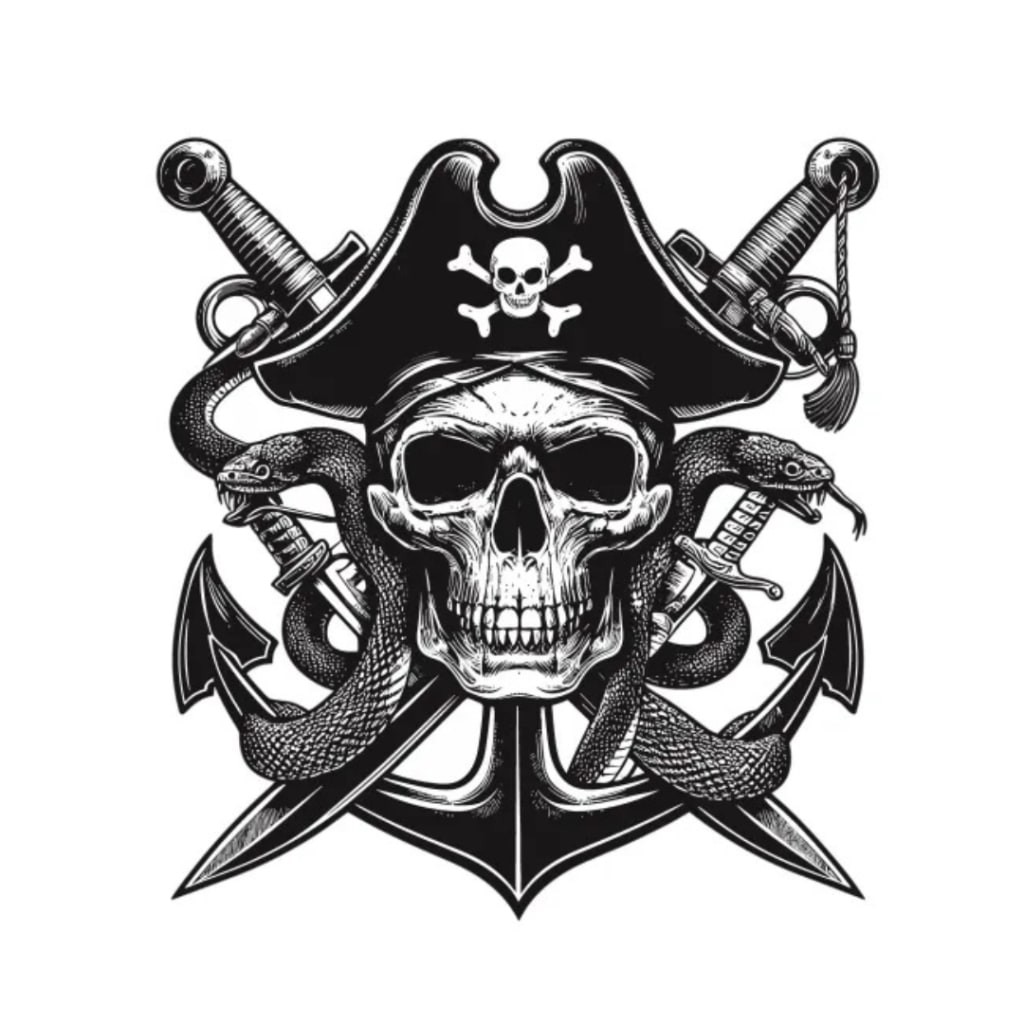
The skull-and-crossbones symbol is one of the most recognizable emblems in the world, immediately evoking images of pirates, hidden treasures, and dangerous seas. But what’s the true history behind this iconic image? Let’s explore the origins of the Jolly Roger, how it became synonymous with piracy, and what it symbolizes even today.
The Origins of the Skull-and-Crossbones
The skull-and-crossbones symbol has roots that extend far beyond pirates. Initially, it appeared in medieval Europe as a memento mori, or a reminder of death. It was often depicted on gravestones to symbolize the inevitability of mortality. These grim images were meant to prompt reflection on life’s fleeting nature.
However, by the late 17th century, this ominous symbol was adopted by pirates, who transformed it into a psychological weapon. The skull-and-crossbones, now associated with pirate flags like the infamous Jolly Roger, served as a tool of terror, ensuring that ships flying these flags were feared before any confrontation even occurred.
The Rise of the Jolly Roger
The term “Jolly Roger” is believed to have come from the French term jolie rouge, meaning "pretty red," referring to the red flags originally flown by privateers. However, it was the black flags, particularly the ones featuring the skull-and-crossbones, that became synonymous with piracy.
Pirate legends such as Blackbeard (Edward Teach) and Bartholomew Roberts tailored their flags to project terror. For example, Blackbeard’s flag famously showed a skeleton holding an hourglass and a spear, symbolizing the fleeting time of life and inevitable doom. Pirates like Roberts created their own variations, signaling their dominance over the seas.
The Jolly Roger wasn’t merely a flag—it was a psychological tactic. Ships that saw it knew the pirate crew was ruthless. Some ships immediately surrendered to avoid conflict, while others resisted, leading to brutal attacks. The pirate flag's mere presence often determined the fate of the ship.
What Does the Skull-and-Crossbones Symbolize?
The skull-and-crossbones symbol was more than just a way to strike fear into enemies. For pirates, it represented:
Rebellion: Pirates rejected authority, embracing a lawless life on the seas. The flag was a declaration of independence from society’s rules.
Brotherhood: The flag was a symbol of unity among pirates, an emblem that connected the crew in their shared rebellion and goal of freedom.
Mortality: Pirates were constantly risking their lives, and the skull reminded them of death's ever-present danger.
The Legacy of the Jolly Roger
Though the golden age of piracy ended centuries ago, the skull-and-crossbones symbol still holds a place in pop culture. From books like Treasure Island to the modern blockbuster series Pirates of the Caribbean, the Jolly Roger continues to symbolize adventure and rebellion. It’s also a prominent symbol in punk rock fashion, representing a desire to break away from societal norms.
The skull-and-crossbones has evolved from a tool of fear to a symbol of freedom, nonconformity, and mystery. It’s a part of history that continues to captivate imaginations around the world.
Fun Facts About the Pirate Flag
Red flags: Some pirate crews flew red flags instead of black, signaling “no mercy” to any ships that resisted.
False flags: Pirates sometimes flew false flags to deceive their targets, luring them in before revealing their true pirate colors.
British Navy: The skull-and-crossbones was later adopted by the British Navy to mark ships carrying plague victims, further cementing its association with death and disease.
Why the Skull-and-Crossbones Still Captivates Us
The skull-and-crossbones symbol represents far more than just pirates—it speaks to a deeper human fascination with freedom, danger, and adventure. The Jolly Roger continues to be a powerful image, not just in the world of pirates but in modern culture. Whether it’s a symbol of rebellion or simply a reminder of the high seas, the pirate flag remains an enduring legacy of lawlessness and legend.
If you are a person who is interested in Pirate fashion or someone who love vintage wear then visit The Pirate Dressing.
About the Creator
Keep reading
More stories from Aditya Agarwal and writers in Fiction and other communities.
Top 10 Famous Pirates and Their Distinctive Styles
When we think of pirates, vivid images of adventure, danger, and rebellion come to mind. But beyond their daring exploits, pirates were also style icons in their own right. Their unique fashion choices didn’t just make them memorable—they told a story of power, defiance, and individuality. Here’s a dive into the top 10 famous pirates and how their distinctive styles defined their legacy.
By Aditya Agarwalabout a year ago in Fiction
Mirrors in the Mojave
Barstow at 3:15 p.m. was basically the surface of the sun. It was the kind of heat that made the asphalt feel squishy and the air taste like burnt rubber. You never really got used to it. No matter how long you lived there, you always complained. Today was no different as the five kids trudged down the sidewalk like a pack of exhausted animals making their way home from Barstow Middle School.
By Sara Wilsonabout 15 hours ago in Fiction
Hottest in the Office
Dear Rafi, You’re very distracting to work around. For the first second I saw you the other day, I thought you were some type of executive. It took a moment to realize no, you were just the new guy, dressed up for the job he wants. Be still, my heart.
By Gabriel Shames6 days ago in Pride




Comments
There are no comments for this story
Be the first to respond and start the conversation.