
The Market of Beauty — A Woman, A Society, and an Unforgiving Truth
A heartbreaking reflection on womanhood, dignity, and the cruelty of society.

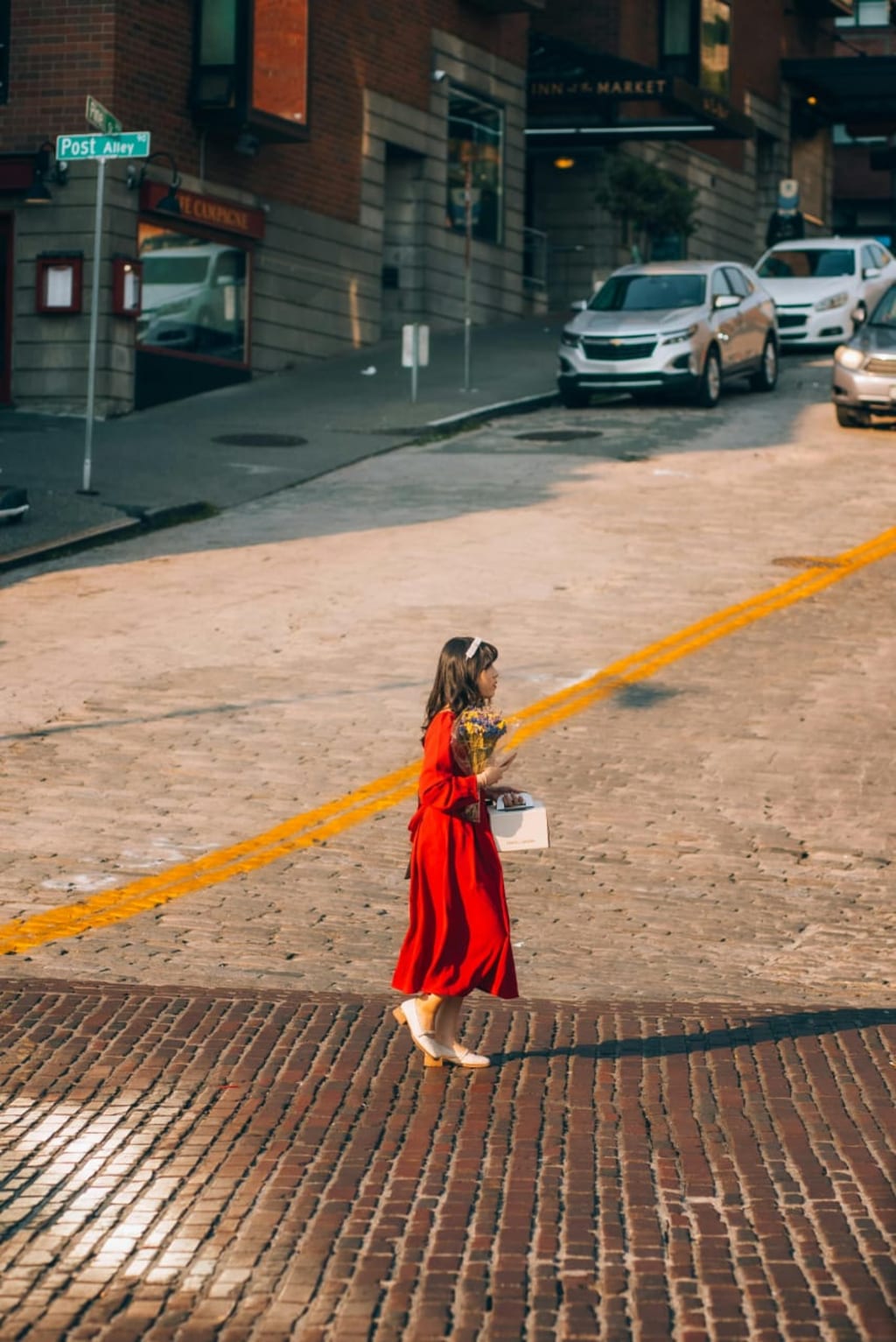
In every era, literature has held up a mirror to its time. Some stories don’t simply entertain; they expose the soul of a society. Among them stands “Bazaar-e-Husn” (The Market of Beauty), a masterpiece by Munshi Premchand — one of the greatest voices in Urdu and Hindi literature.
This timeless story doesn’t just tell the tale of a woman’s fall; it unveils the moral collapse of the world around her. It is the story of poverty, gender inequality, and the desperate pursuit of dignity in a world that often sells everything — even virtue.
The Story: A Journey from Innocence to Awareness
At the heart of the story is Suman (or Sodhra) — a young woman born into a poor but respectable family. Her only dream is to live with self-respect and love. But in a society chained by dowry, poverty, and double standards, her life takes a tragic turn.
Unable to afford a dowry, her family loses her marriage prospects. Rejected, humiliated, and broken by circumstances, Suman finds herself drawn into the world’s cruelest marketplace — the Bazaar-e-Husn, the red-light district.
Here, women are measured not by their character or soul, but by the price men are willing to pay. The same society that pushed her into despair now condemns her for surviving.
Yet, Premchand’s brilliance lies in what happens next — Suman does not perish in shame.
Instead, she begins to question everything: the meaning of sin, the hypocrisy of morality, and the illusion of honor.
Slowly, she realizes that true dignity lies not in how society labels you, but in how you choose to live and redeem yourself.
The Turning Point: Finding Light in Darkness
Suman’s awakening becomes the turning point of the story. Instead of accepting the identity imposed on her, she transforms her life by helping others, especially women like her who have been forgotten and condemned.
She begins to see that redemption is not a privilege reserved for the pure — it is a right for those who have suffered, learned, and grown.
Through her quiet courage, Suman rises from the ashes of humiliation into a symbol of strength, compassion, and resilience.
Premchand’s portrayal of Suman is not one of pity but of empowerment.
He doesn’t portray her as a fallen woman; he paints her as a survivor — the voice of countless women silenced by judgment.
Quote That Defines the Story:
> “In the market of beauty, bodies may be sold — but souls are not for sale.
Some women are prisoners of circumstance, not of sin.”
Themes and Social Message
Premchand fearlessly exposes the moral hypocrisy of his time — one that blames women for sins society itself commits.
Key Themes:
Poverty and Social Injustice – How the poor are punished for the crimes of the rich.
Gender and Double Standards – How society forgives men but condemns women.
Redemption and Dignity – How self-realization can restore what society tries to destroy.
Human Compassion – The power of empathy over judgment.
Moral and Reflection
The moral of “Bazaar-e-Husn” is deeply human:
Never judge someone without understanding their pain.
A woman’s worth is not defined by her circumstances, but by her courage.
True morality lies in compassion, not condemnation.
Premchand reminds us that before calling anyone “fallen,” we must ask — who pushed them?
Conclusion: The Eternal Lesson
“Bazaar-e-Husn” is not merely the story of one woman — it is the story of an entire civilization that worships purity but creates impurity through its cruelty.
Through Suman’s journey, Premchand forces us to confront the unforgiving truth:
A society that denies dignity to the weak is the one truly in need of redemption.
Even after a century, this story resonates — in every woman’s struggle for respect, in every voice that rises against hypocrisy, and in every soul that chooses compassion over judgment.
“Humanity is not about being flawless — it’s about being kind, even to those the world has forgotten.”
About the Creator
hamad khan
I write stories that touch hearts and heal minds.
Through simple words, I share real-life lessons, emotions, and moments of reflection.
Join me on a journey of healing, hope, and self-discovery.
Keep reading
More stories from hamad khan and writers in Fiction and other communities.
The Devil's Cut
“Comrade, finally you’re awake.” The voice was smooth, sensual. A flickering incandescent bar was all that lit the white, sterile room. All Vladimir remembered was everything going black. He tried to move his arms and found them strapped to the gurney.
By Matthew J. Fromm6 days ago in Fiction


Comments
There are no comments for this story
Be the first to respond and start the conversation.