
The Lantern in the Attic
Some lights never go out—they wait to be found.

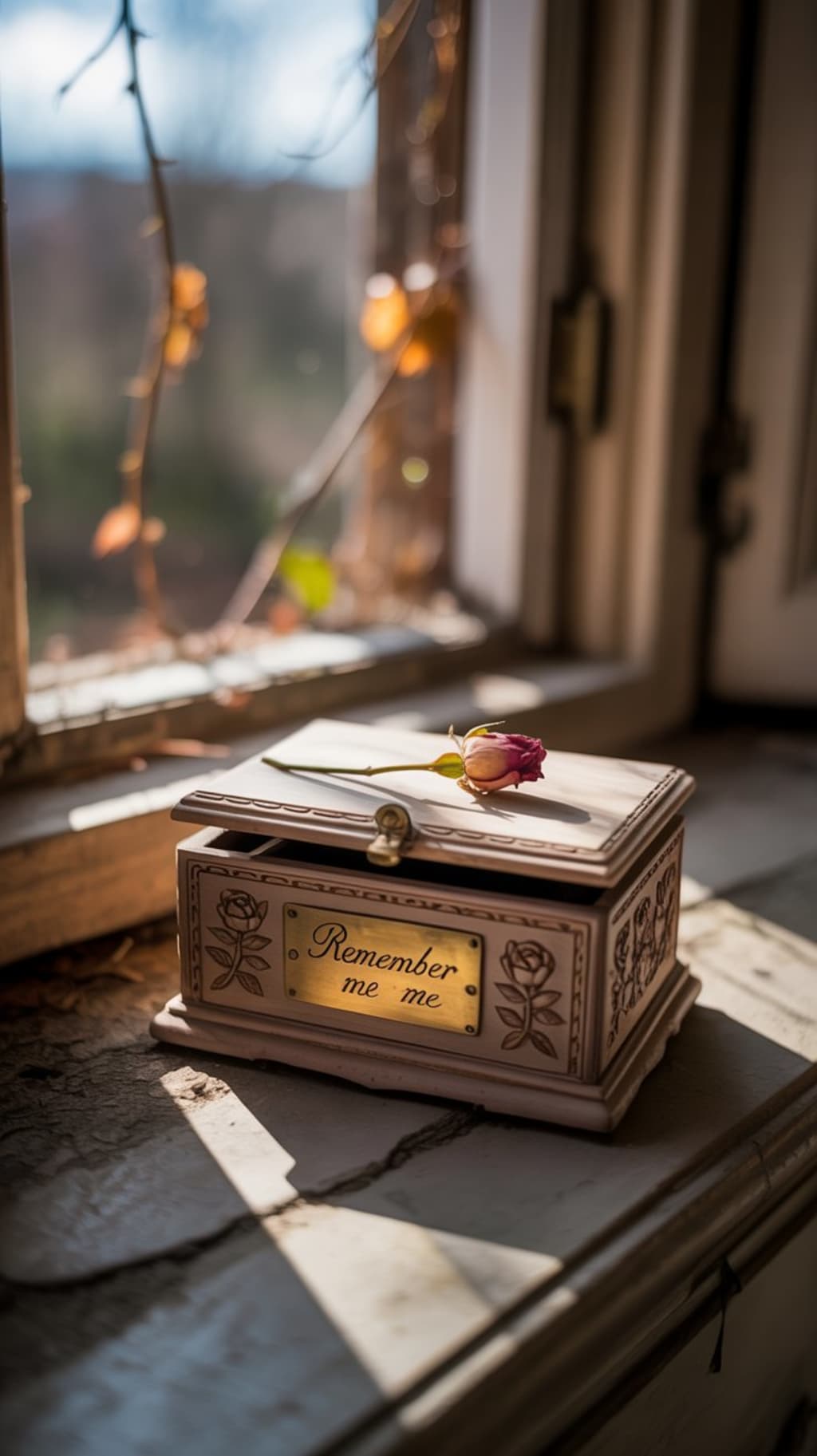
There was a house on the edge of the village that no one spoke of, not unless the wind was still and the night felt too long. It stood at the top of the hill, half-hidden by ivy and time, its windows clouded with dust, its porch sagging under the weight of years. The other children said it was cursed. They claimed they’d seen shadows where there should be none, heard laughter when the house had been empty for decades.
But Mara never believed them.
She passed the house every day on her way back from the market, a small bundle of bread and tea clutched in her arms, the orphanage coat too big on her thin frame. And every time, she slowed her steps. Not out of fear—but because something in the silence called to her. A quiet hum beneath the floorboards. A warmth behind the glass. It didn’t feel abandoned. It felt… waiting.
She was fifteen the first time she went inside.
The door groaned when she pushed it open, as if surprised to be moved after so long. Dust hung in the air like snow caught mid-fall, and sunlight filtered through cracks in the roof, painting golden stripes across the floor. The house didn’t smell of rot or damp, as she’d expected. It smelled like old paper, cedar, and something faintly sweet—like cinnamon left in a drawer.
She climbed the stairs slowly, each step whispering beneath her boots. The attic door was ajar, as though someone had left in a hurry—or as though they’d been expecting her.
Inside, covered by a moth-eaten cloth, sat a lantern.
It was made of brass, tarnished but still proud, its glass unbroken, its handle worn smooth from use. No oil, no wick—but when she lifted it, it pulsed faintly, like a heartbeat under metal. Tied to the handle was a slip of paper, the ink faded but legible:
“Light when ready to remember.”
She didn’t know what it meant. But she struck a match anyway.
The flame caught, though there was nothing to burn.
And then—the air changed.
Not with smoke or light, but with presence.
A boy appeared in the corner, no older than ten, barefoot and grinning as he balanced on the windowsill. He was humming a tune Mara didn’t know but somehow recognized, like a lullaby half-remembered from childhood. She reached for him, but her hand passed through. He didn’t see her. He wasn’t there, not really. He was memory made visible.
Night after night, she returned.
Each time she lit the lantern, another moment unfolded—a woman writing at a small desk, her hair pinned up with a pencil, laughing at something outside the window. A man tracing rivers on a yellowed map, his sleeves rolled up, a pipe resting on the table. A family gathered around a radio, singing along to a song from a distant city. A birthday cake with five candles, a dog barking in the background.
She began to write them down.
Not just what she saw—but how it felt. The weight of a mother’s hand on a child’s shoulder. The way the man paused before signing his letters, as if choosing each word with care. The quiet pride in the boy’s eyes when he showed his drawing to his father.
She filled notebook after notebook.
At first, the villagers dismissed her. “Grief makes strange stories,” they said. “That house will only break your heart.”
But then she read aloud one evening in the square, her voice soft but steady, the lantern beside her glowing without flame. And people stopped. A woman wept when Mara described the cinnamon rolls baked every Sunday morning. An old man nodded slowly when she mentioned the map of the stars drawn on the attic wall.
“They were real,” he said. “The Holloways. Lived there before the fire. No one survived.”
Mara looked down at the lantern. “They survived,” she said. “Just not the way we think.”
She started calling it The Lantern House. Children came to listen. Not to be scared—but to remember. She taught them that stories aren’t just entertainment. They’re proof. They’re legacy.
Then, one cold autumn night, she lit the lantern one last time.
The attic filled with light—not from the flame, but from within. The air shimmered. And for the first time, the boy looked at her.
“Thank you,” he whispered.
And one by one, the memories bowed, smiled, and faded like mist at dawn.
The lantern went dark.
She didn’t cry. She wrapped it gently in cloth and placed it on the shelf.
But the next evening, she lit her own lamp—simple, glass, fueled by oil. She opened her notebook and began a new story.
Because some lights don’t need brass or magic.
Some are carried in the voice.
In the pause before a sentence.
In the way a room grows still when a truth is finally spoken.
And if you go to that village today, you’ll find the house on the hill no longer silent.
Laughter echoes in the rafters.
Children leave flowers by the door.
And in the attic, if you look closely, you might see a glow in the window—
not from the past,
but from someone keeping watch.
---
*Moral:* Some homes are built of wood and stone. Others are built of memory, love, and the courage to remember.
About the Creator
meerjanan
A curious storyteller with a passion for turning simple moments into meaningful words. Writing about life, purpose, and the quiet strength we often overlook. Follow for stories that inspire, heal, and empower.
Winterthorne
Winterthorne stood alone at the edge of the park. The beautiful snow that had surrounded him was all trampled now, from the feet of all of the children who had built him. He missed the sparkly clean snow blanket, but he was happy that so many children had come out to make him.
By Laura DePace7 days ago in Fiction
When the Shelter Closes
Across the street from my house, a man slept under a tree, his dog by his side. My first, naive thought: he must be traveling through. But he kept coming back, often sleeping there during the day. Then it hit me—that person might not have a home.
By Bride of Sound2 days ago in Humans



Comments (1)
The lantern as a vessel for memory is such a beautiful idea!