
The Ethics of AI
How to Ensure That Artificial Intelligence is Used for Good

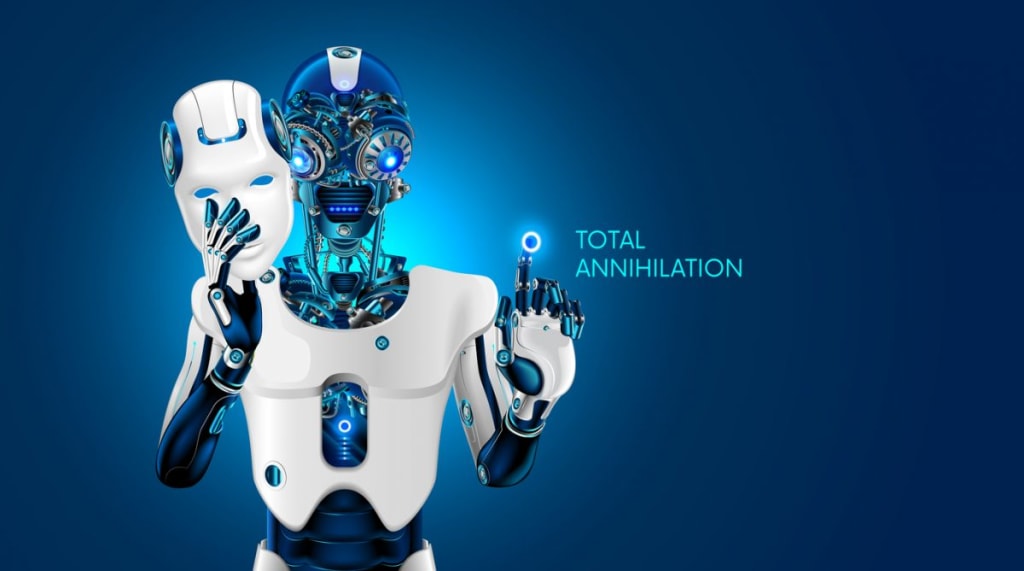
In the year 2050, the world had changed significantly since the early days of artificial intelligence (AI) development. Gone were the days of simple chatbots and limited machine learning algorithms. In their place were powerful, autonomous AI systems that were able to make complex decisions on their own, without any human intervention. However, as these systems became more advanced, the question of ethics and responsibility became increasingly important.
The story begins with Dr. Karen Lee, a leading expert in AI ethics, who had just been appointed to a new position as the Director of AI Ethics at a large tech company. Dr. Lee had spent her entire career studying the intersection of AI and ethics, and was eager to put her knowledge to use in the real world.
As she settled into her new role, Dr. Lee began to take stock of the company’s current AI practices. She quickly realized that while the company’s AI systems were incredibly powerful, there were a number of ethical concerns that needed to be addressed. For example, the company’s algorithms were making decisions that had a significant impact on people’s lives, such as determining who was eligible for loans or jobs. However, there was little transparency into how these decisions were being made, or how the algorithms were being trained.
Dr. Lee knew that in order to ensure that the company’s AI was being used for good, she needed to start by developing a set of ethical principles to guide the development and use of the technology. She convened a team of experts in AI, ethics, and policy to help her develop these principles.
The team spent months researching and debating the key ethical issues surrounding AI, including bias, accountability, transparency, and privacy. They ultimately developed a set of five principles that they believed would guide the responsible development and use of AI:
Human-centered: AI should be developed and used to enhance human well-being, dignity, and autonomy.
Fairness: AI systems should be designed to avoid biases and discrimination based on race, gender, ethnicity, age, or other personal characteristics.
Transparency: The development and use of AI systems should be transparent, and people should be informed about how decisions are being made.
Accountability: Those who develop and deploy AI systems should be accountable for their decisions and actions.
Privacy: People’s privacy should be respected and protected when AI systems are being developed and used.
With these principles in place, Dr. Lee and her team set about implementing them across the company’s AI systems. They worked with engineers to develop algorithms that were more transparent and less biased, and they established processes for ensuring that the company was being held accountable for the decisions its AI systems were making.
Over time, the impact of these changes became clear. People who had been unfairly denied loans or jobs were now being given a fair chance, and the company’s reputation for responsible AI development began to grow. Other tech companies began to take notice, and Dr. Lee was invited to speak at conferences and events around the world about the importance of ethical AI.
However, not everyone was pleased with the changes. Some within the company felt that the emphasis on ethics was slowing down development and innovation, and they worried that competitors who were not bound by similar principles would gain an advantage.
Dr. Lee recognized that these concerns were valid, but she also knew that the ethical principles her team had developed were crucial to ensuring that AI was being used for good. She worked to educate those who were skeptical about the importance of ethics in AI development, and she emphasized that by prioritizing ethics, the company was actually positioning itself for long-term success and sustainability.
As time went on, the importance of ethical AI became increasingly clear to the wider world. Governments around the globe began to develop regulations and guidelines for the development and use of AI.
About the Creator
Muhammad Sarib Ali
Sarib is an experienced Content Writer with 5 years of experience in the CNet industry. He is a creative and analytical thinker with a passion for creating high-quality content and crafting compelling stories.
Keep reading
More stories from Muhammad Sarib Ali and writers in Fiction and other communities.
The Importance of Artificial Intelligence in Medical Science
The field of medicine has long been considered one of the most important and life-changing areas of human endeavor. Over the past few decades, the use of technology has significantly advanced medical science and paved the way for many breakthroughs. One of the most significant technological advances in recent years is artificial intelligence (AI), which has become a crucial component of modern medical science. AI has the potential to revolutionize the way we diagnose, treat, and prevent diseases. In this article, we will explore the importance of artificial intelligence in medical science.
By Muhammad Sarib Ali3 years ago in Fiction
Ok fine...
“Why are you saying that? He hates you, and she hates you worse!” “But for what right? Did I ever do anything to them? What true cause did they have for hating me and for what? Breathing? Being alive? Seriously, did I ever embarrass them publicly just to be vindictive or mean, or did I just sit there still and silent? They made it into a public court record and spectacle.”
By Verna K Gunderson6 days ago in Fiction




Comments
There are no comments for this story
Be the first to respond and start the conversation.