
The Importance of Artificial Intelligence in Medical Science
Exploring the Benefits of Artificial Intelligence in Medical

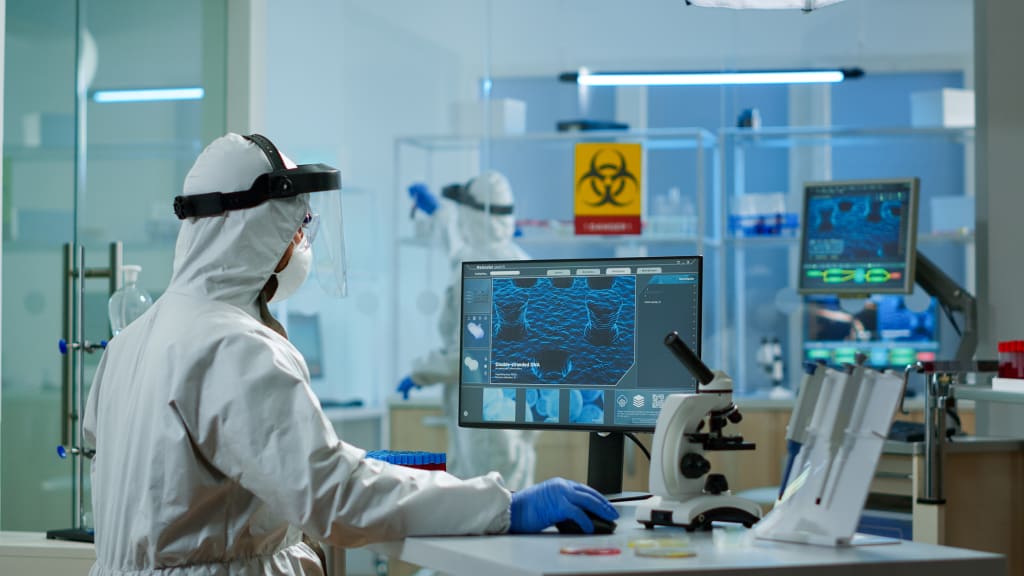
The field of medicine has long been considered one of the most important and life-changing areas of human endeavor. Over the past few decades, the use of technology has significantly advanced medical science and paved the way for many breakthroughs. One of the most significant technological advances in recent years is artificial intelligence (AI), which has become a crucial component of modern medical science. AI has the potential to revolutionize the way we diagnose, treat, and prevent diseases. In this article, we will explore the importance of artificial intelligence in medical science.
One of the most significant advantages of AI in medical science is its ability to analyze vast amounts of data quickly and accurately. Medical professionals are required to process large volumes of data, including medical images, lab results, and patient records. AI can process this data much faster than humans and can identify patterns that may be missed by human analysis. This can be especially useful in diagnosing diseases such as cancer, which require extensive analysis of medical images and patient data.
Another important application of AI in medical science is in drug development. Developing new drugs is a time-consuming and expensive process, and there is always a risk that a new drug may not be effective or may have harmful side effects. AI can help identify potential drug candidates more quickly and accurately than traditional methods. By analyzing vast amounts of data on drug interactions, disease pathways, and genetic data, AI can identify promising drug candidates and help researchers optimize drug development processes.
AI can also be used to develop personalized treatment plans for patients. Medical treatment is often based on a one-size-fits-all approach, where patients are treated based on the average response of the population. However, every patient is different, and their response to treatment can vary significantly. By analyzing patient data, including genetic data, medical history, and lifestyle factors, AI can help medical professionals develop personalized treatment plans that are tailored to the individual patient.
Another important application of AI in medical science is in medical imaging. Medical images such as X-rays, CT scans, and MRI scans provide crucial diagnostic information, but interpreting these images can be challenging. AI can help medical professionals analyze medical images quickly and accurately, identifying abnormalities and providing diagnostic information that may be missed by human analysis. This can be especially useful in the early detection of diseases such as cancer, where early diagnosis can significantly improve patient outcomes.
AI can also help medical professionals monitor patients in real-time, providing early warning signs of potential health problems. Wearable devices such as smartwatches and fitness trackers can collect vast amounts of data on patients' health and well-being, including heart rate, blood pressure, and sleep patterns. AI can analyze this data in real-time, identifying patterns that may indicate potential health problems. This can help medical professionals intervene early, potentially preventing serious health problems before they develop.
In conclusion, the importance of artificial intelligence in medical science cannot be overstated. AI has the potential to revolutionize the way we diagnose, treat, and prevent diseases. By analyzing vast amounts of data quickly and accurately, AI can help medical professionals make more informed decisions and provide personalized treatment plans that are tailored to the individual patient. AI can also help medical professionals monitor patients in real-time, providing early warning signs of potential health problems. As AI technology continues to advance, it is likely that we will see many more breakthroughs in medical science in the years to come.
About the Creator
Muhammad Sarib Ali
Sarib is an experienced Content Writer with 5 years of experience in the CNet industry. He is a creative and analytical thinker with a passion for creating high-quality content and crafting compelling stories.
Keep reading
More stories from Muhammad Sarib Ali and writers in Fiction and other communities.
Exposed: The Truth Behind the Bermuda Triangle Mystery
The Bermuda Triangle has long been a source of fascination and speculation, with numerous tales of ships and planes disappearing in the area without a trace. Theories about the cause of these mysterious disappearances have ranged from paranormal activity to extraterrestrial intervention. However, recent scientific research has shed light on the truth behind this famous mystery.
By Muhammad Sarib Ali3 years ago in Fiction
The Duelist
The rays of a dying red sun flashed against the onrushing blade. The grey beards say the key to dueling lies in size, speed, reach, righteous fury, whatever the person in front of them pays them to say. Matteo knew better than any it was none of these and had an undefeated record on these sands to prove it.
By Matthew J. Fromm4 days ago in Fiction


Comments
There are no comments for this story
Be the first to respond and start the conversation.