
The Enigma of the Nazca Lines: Uncovering the Mystery in Peru
MYSTERY
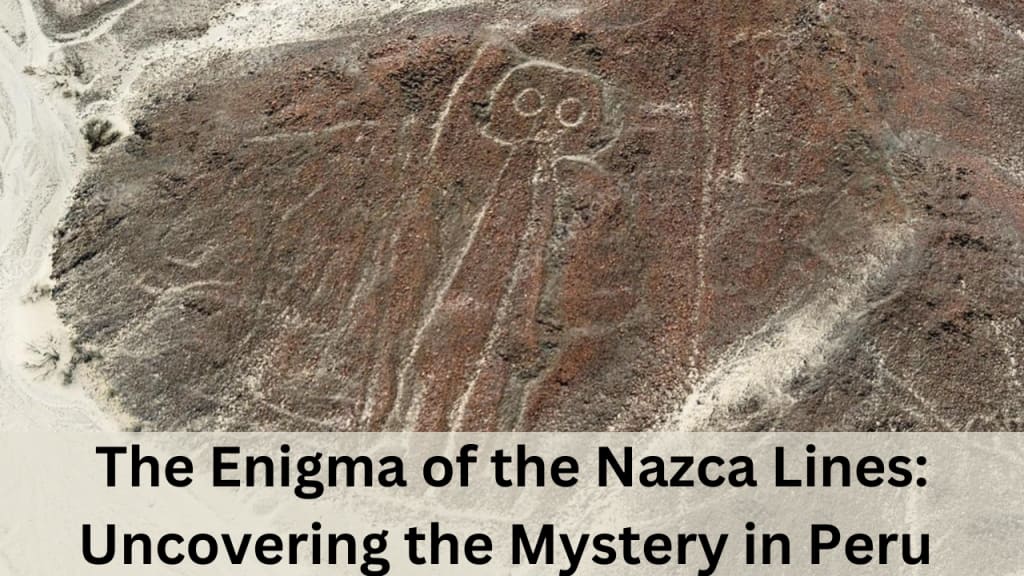
The Enigma of the Nazca Lines: Uncovering the Mystery in Peru
I. Introduction
The Nazca Lines are a series of ancient geoglyphs located in the Nazca Desert in Peru. These lines, which were created by the Nazca culture between 500 BC and 500 AD, feature a variety of shapes including animals, plants, and geometric figures. The purpose of the lines has remained a mystery for centuries, and their true meaning has been the subject of much debate and speculation. Despite numerous theories, the Nazca Lines continue to intrigue and mystify researchers and visitors alike. In this paper, we will explore the history of the Nazca Lines, the various theories surrounding their purpose, and the ongoing efforts to uncover the mystery of these ancient geoglyphs.
II. History of the Nazca Lines
The Nazca Lines were first discovered in the 1920s by Peruvian archaeologist Toribio Mejía Xesspe, who came across the lines while hiking through the desert. However, it wasn't until the 1930s, when commercial airlines began flying over the region, that the lines gained widespread attention. Pilots flying over the desert noticed the lines and brought them to the attention of researchers and the media.
The Nazca Lines are believed to have been created by the Nazca culture, which flourished in the region between 500 BC and 500 AD. The Nazca were skilled farmers and craftsmen who created a complex system of irrigation to support their agriculture. It is thought that the lines were created by removing the top layer of iron oxide-coated stones to reveal the lighter colored ground beneath.
There are numerous theories surrounding the purpose of the Nazca Lines. Some believe that the lines served as an ancient communication system or a way to mark important events or landmarks. Others think that the lines may have had religious or spiritual significance, or that they may have been used to mark astronomical alignments. Despite the various theories, the true purpose of the lines remains a mystery.
III. The Nazca Lines today
Today, the Nazca Lines are a major tourist attraction in Peru. They are located in the Nazca Desert, which is about a four-hour drive south of the capital city of Lima. The lines are best viewed from the air, and there are a number of companies that offer tours by plane or helicopter.
The preservation and protection of the Nazca Lines is an important concern, as the lines are vulnerable to damage from weather, tourism, and human activity. In order to protect the lines, the Peruvian government has established the Nazca Lines Archaeological Park, which is managed by the country's National Institute of Culture. The park is open to tourists, but there are strict guidelines in place to ensure the safety of the lines.
Despite the efforts to protect the Nazca Lines, there have been concerns about the impact of tourism on the site. The lines are located in a desert environment, which is fragile and prone to erosion. There have been instances of tourists straying off the designated paths, which can lead to damage to the lines. In order to minimize the impact of tourism on the lines, the Peruvian government has implemented a number of measures, including the use of guided tours and the construction of viewing platforms.
In addition to the efforts to protect the lines, there is ongoing research and study of the Nazca Lines. Scientists and researchers from around the world continue to work to decipher the mystery of the lines and uncover their true purpose.
IV. Possible explanations for the Nazca Lines
There are a number of theories that have been proposed to explain the purpose of the Nazca Lines. Here are four possible explanations:
1. Astronomical alignments: Some researchers believe that the Nazca Lines may have been used to mark astronomical alignments, such as the solstices or the movements of certain celestial bodies. This theory is supported by the fact that some of the lines seem to be aligned with certain astronomical events.
2. Religious or spiritual significance: It has been suggested that the Nazca Lines may have had a religious or spiritual purpose, perhaps serving as a way for the Nazca people to communicate with the gods or to mark sacred sites.
3. Ancient communication system: Some researchers think that the Nazca Lines may have served as an ancient communication system, allowing the Nazca people to send messages over long distances.
4. Ancient transportation routes: It has also been suggested that the Nazca Lines may have served as ancient transportation routes, helping the Nazca people to navigate through the desert.
Despite the various theories, the true purpose of the Nazca Lines remains a mystery. It is possible that the lines served multiple purposes, or that their purpose has been lost to history.
V. Conclusion
The Nazca Lines are a series of ancient geoglyphs located in the Nazca Desert in Peru. These lines, which were created by the Nazca culture between 500 BC and 500 AD, feature a variety of shapes including animals, plants, and geometric figures. The purpose of the lines has remained a mystery for centuries, and their true meaning has been the subject of much debate and speculation. Despite numerous theories, the Nazca Lines continue to intrigue and mystify researchers and visitors alike.
The Nazca Lines are an important part of Peru's cultural and historical heritage, and efforts are being made to preserve and protect the lines. Despite these efforts, there have been concerns about the impact of tourism on the site, and measures are in place to minimize this impact. In addition to the efforts to protect the lines, there is ongoing research and study of the Nazca Lines, as scientists and researchers from around the world continue to work to decipher the mystery of the lines and uncover their true purpose.
About the Creator
Keep reading
More stories from Azhagu malai kannan and writers in Fiction and other communities.
The Stonehenge Mystery: Unraveling the Enigma of the Ancient Monoliths
The Stonehenge Mystery: Unraveling the Enigma of the Ancient Monoliths I. Introduction The ancient monument of Stonehenge has long captivated the imagination of people around the world. Nestled in the rolling hills of Wiltshire, England, this complex of massive stone monoliths has stood for over 5,000 years, a testament to the ingenuity and determination of the people who built it. But despite centuries of study, the purpose and origins of Stonehenge remain shrouded in mystery. Who built it, and why? How did they transport and erect these massive stones? And what was the significance of Stonehenge in ancient times? In this paper, we will explore the various theories and hypotheses about Stonehenge, and examine the latest research and discoveries that shed light on this enduring enigma.
By Azhagu malai kannan3 years ago in Fiction
The Path to Salvation
The late autumn evening air filled the monk's lungs, but it wasn't the season that chilled his bones. The heavy-handed presence of evil he had sensed upon entering the woods surrounding this mountain village had not bothered to conceal itself from him.
By Made in DNAabout 10 hours ago in Fiction
Autonomy Is The Real Privilege
Good morning, freedom-seekers! Today we’re gonna be looking at autonomy. A strange word, I know; one many would probably look at blankly and run away from on sight. We’re gonna figure out what it actually means, consider how it’s achieved, and decipher just how deeply most of us are tangled up in dependence without realising it.
By That ‘Freedom’ Guy2 days ago in Humans



Comments
There are no comments for this story
Be the first to respond and start the conversation.