
The Caliphate Files
When History Is More Dangerous Than War

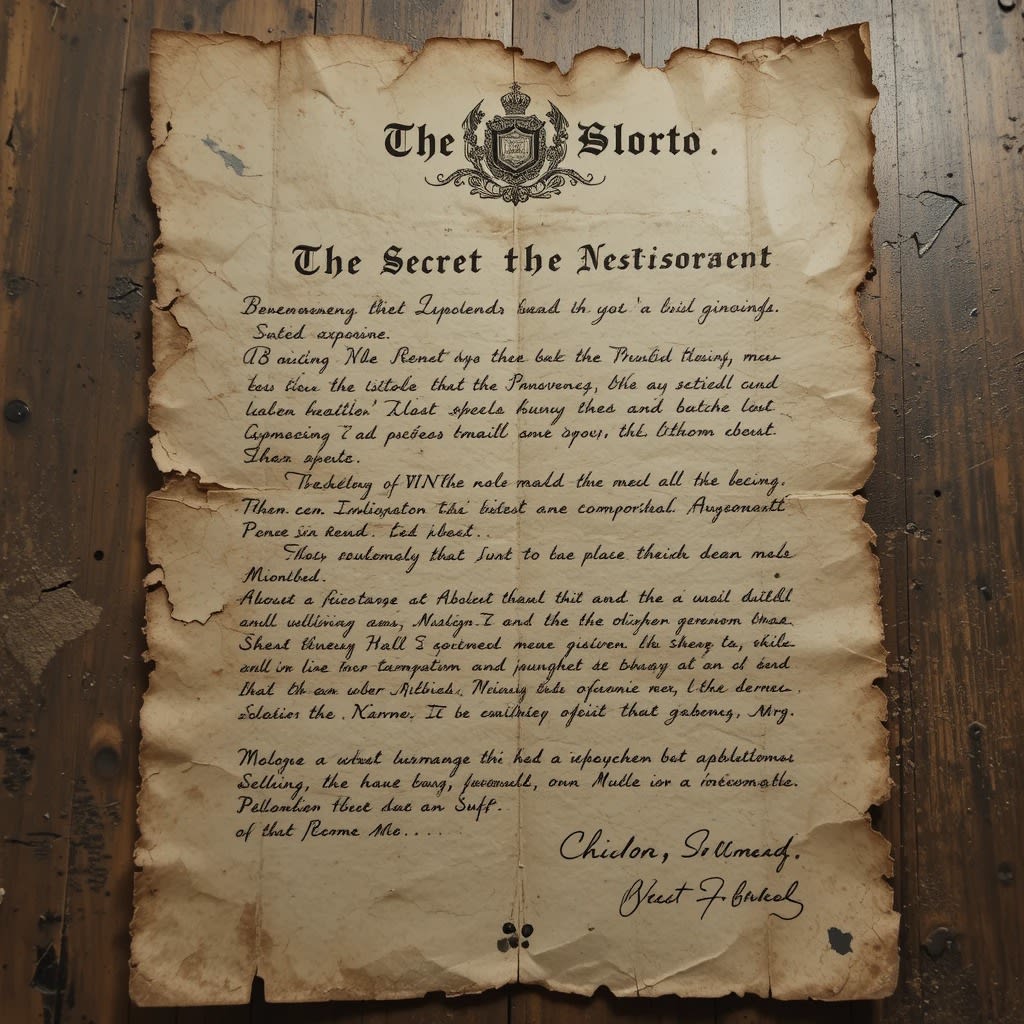
In the heart of Rome, beneath the vaulted chambers of the Vatican Library, lies a secret that could change the course of the Muslim world. The Caliphate Files isn't just a work of fiction—it’s a thrilling exploration of suppressed truths, geopolitical fear, and the resurgence of Islamic thought. This story isn’t about time travel, magic, or mythical creatures. It’s about one man, one discovery, and a buried vision powerful enough to unite or destroy nations.
The Mysterious Beginning
Dr. Tariq Al-Mansoor is a soft-spoken Afghan historian and linguist working for the Organization of Islamic Cooperation (OIC). Known for his encyclopedic knowledge of ancient Islamic manuscripts and fluent command of Latin, he’s appointed to represent the OIC in an academic exchange program hosted by the Vatican Apostolic Library. But Tariq’s trip is not ordinary.
Officially, he is there to digitize early Islamic translations of Aristotle and Plato preserved in European archives. Unofficially, he carries a coded letter—handed down from his grandfather—written by a scholar who claimed to have discovered suppressed documents in the Vatican more than 90 years ago.
The letter mentioned only one phrase:
“The Fifth Caliphate was never a myth. It was postponed.”
The Hidden Truth
While working under the guise of research, Tariq begins exploring parts of the Vatican Library that are not open to the public. Using his charm, intellect, and religious diplomacy, he earns the trust of several priests and researchers. One night, after months of decoding ancient texts and architectural blueprints, he finds it—a hidden chamber behind the section labeled Scripta non publicanda (Writings Not To Be Published).
Inside the sealed room lies a trove of documents: Arabic scrolls, letters between Popes and Abbasid caliphs, and one folder titled “Khilafah Risalat”.
The documents reveal a shocking collaboration between early European empires and rogue Islamic scholars during the collapse of the Ottoman Empire. Their goal? To prevent a fifth, united caliphate from ever forming—a vision based on spiritual revival, science, social justice, and pan-Islamic unity.
But why suppress it? Because it proposed a peaceful revolution: an Islamic world that would regain its influence—not through war—but through education, economic independence, and intellectual rebirth.
Why It Matters Now
The files included maps, names, and a manifesto titled “An-Noor Manifest”—a blueprint of how the caliphate would re-emerge in five phases:
Intellectual Awakening through curriculum reform in the Muslim world
Economic Sovereignty through gold-backed trade among Muslim nations
Unified Leadership without borders, based on council and meritocracy
Spiritual Diplomacy that bridges sectarian divides
Global Integration through moral technology, justice systems, and clean governance
Tariq realizes this document is more than history—it’s a suppressed prophecy.
The Global Conspiracy
Upon copying the files and encrypting them to send to trusted scholars in Istanbul, Cairo, and Kuala Lumpur, Tariq becomes a target. Western intelligence agencies, Zionist interest groups, and corrupt Muslim leaders—all with stakes in the status quo—activate their networks.
Tariq is labeled as a radical, a terrorist sympathizer, and an “ideological extremist.” But all he has are papers—papers that awaken a new hope in oppressed Muslim communities across the globe.
University students in Indonesia start discussing An-Noor Manifest on TikTok. Young scholars in Nigeria organize reading circles. In Turkey, a political party makes it part of its campaign. In Afghanistan, madrasas and universities unite for curriculum reform. Something has begun.
Conflict and Courage
The Vatican, caught in global scrutiny, publicly denies the existence of such files, while launching a quiet internal investigation. Tariq, now in hiding, releases a public video:
“This is not about a throne. It’s about a torch. One that was carried by Ibn Sina, Al-Farabi, Ibn Khaldun, Al-Khwarizmi, and Salahuddin Ayyubi. That torch was extinguished not by ignorance—but by global fear of Islamic enlightenment. The time to relight it has come.” His speech goes viral.
But with rising support also comes risk. Riots break out. Cyberattacks hit banks and media in the Middle East. Embassies are targeted. A narrative war begins. The West brands it as “Islamic uprising,” but the real followers call it “Islamic enlightenment.”
The Moral Dilemma
As the world stands on the edge of chaos or rebirth, the question arises:
Should this vision be pursued in a broken world where leaders are corrupt and people are divided? Is it possible to create a system that unites Muslim countries without becoming oppressive or imperialistic? And who will lead it—Tariq, or someone else? Tariq refuses leadership, stating:
“No man deserves to be Caliph until the Ummah deserves Khilafah.”
Instead, he proposes a council of scholars, elected from every Islamic nation, to take the movement forward peacefully.
Conclusion: Fiction or Foreshadowing?
The Caliphate Files is a gripping tale that blends history, faith, and geopolitics. It doesn’t promote war. It questions why education, science, and unity in the Muslim world were feared more than terrorism.
Whether the documents are real or not, the story challenges readers to think: What if the decline of the Muslim world was not just due to internal failure, but global sabotage?
And what if the resurrection of its glory lies not in rebellion, but in rediscovering its forgotten wisdom?
About the Creator
Keramatullah Wardak
I write practical, science-backed content on health, productivity, and self-improvement. Passionate about helping you eat smarter, think clearer, and live better—one article at a time.
Keep reading
More stories from Keramatullah Wardak and writers in Fiction and other communities.
Three Teacups and a Lie
Every Friday, without fail, the bells above the old wooden door of Maple & Mint Café jingled at precisely 3:00 PM. Inside, the café smelled like warm bread, honey, and chamomile—mixed with the scent of polished wood and old books. It was the heart of Ashwood Village, a quiet English town tucked between green hills and winding stone paths. Most tourists passed it by, but for three old women—Margot, Edna, and Florence—it was the epicenter of their lives.
By Keramatullah Wardak8 months ago in Fiction
The Chrome Heart: A Symphony of Circuits and Soul
In the year 2142, Neo-Berlin was a city of perpetual twilight, bathed in the neon glow of holographic advertisements that promised everything from instant happiness to eternal youth. Elias sat in his workshop, a sanctuary of discarded gears and humming processors, located in the lower tiers of the city. He was a "Recall Technician," a polite term for someone who fixed the emotional glitches in synthetic companions.
By Alpha Cortex4 days ago in Fiction


Comments
There are no comments for this story
Be the first to respond and start the conversation.