
The App That Deletes Memories
When forgetting becomes a choice, what do we choose to lose?
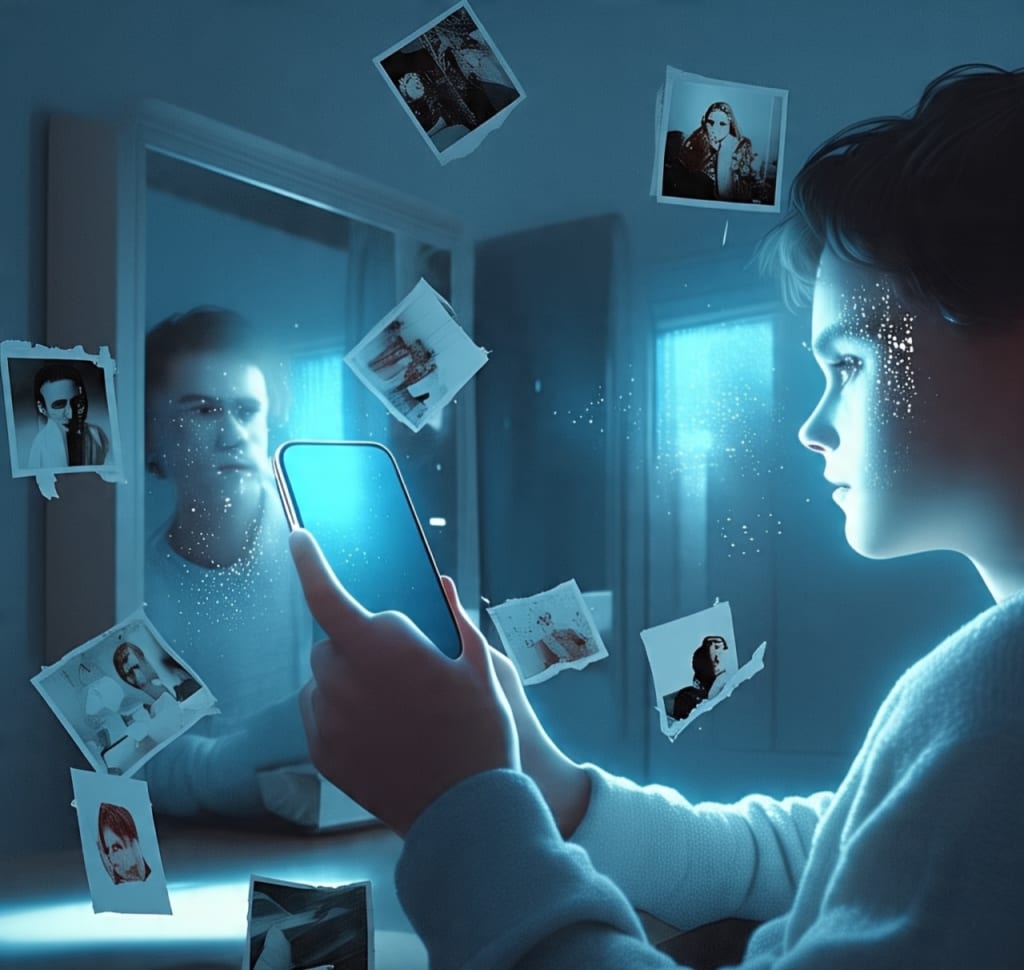
I first heard about the app from a whispered conversation between two strangers in a coffee shop. Their voices trembled with excitement and fear—like they were sharing a secret not meant for public ears.
“It really works,” one of them said, clutching her coffee cup like a lifeline.
“I deleted the night he left. I don’t remember the sound of the door closing, not even his face.”
That line lingered in my mind all day. I couldn’t shake it. Not because I believed them, but because part of me wanted to.
By the time I found the app online, it was nowhere on the App Store. You had to be invited—an exclusive club of the emotionally wrecked, it seemed. I applied. Days passed. Then one night, I got an email. No sender, just the words: “Welcome to ForgetMeNot.”
The interface was minimal—cold, even. A sleek white background with a single input field: Which memory would you like to forget?
Underneath it, a disclaimer: Memories are removed at your own risk. Emotional consequences may occur. ForgetMeNot is not responsible for unintended side effects.
I stared at the screen for a long time. My fingers hovered over the keyboard. I had a list in my head—nights I cried myself to sleep, faces of people I lost, words I wished I could un-hear.
Finally, I typed: The day Mom died.
A soft blue loading bar filled the screen.
Processing…
Then: Memory Deleted.
Nothing happened—at least, not immediately. But the next morning, something was missing. I opened the family photo album and stared at a woman whose face I didn’t recognize. My chest didn’t ache. There was no lump in my throat. Just a blank, almost peaceful space where the grief had once lived.
I cried—not because I was sad, but because I wasn’t.
The app became a ritual. After each heartbreak, failure, or emotional wound, I’d return to it. I erased the moment my best friend betrayed me. The humiliation of being fired. The miscarriage.
Soon, my mind became a tidy house with no broken windows, no dark corners. But also—no depth.
One evening, I saw my ex at a grocery store. He smiled like he knew me. I smiled back out of politeness.
“You look great,” he said.
“Thanks,” I replied, unsure why my heart wasn’t beating faster.
“We had good times, didn’t we?”
“Did we?” I asked, genuinely confused.
His smile faded. He turned away. And I stood frozen in aisle three, realizing I had no clue what made me me anymore.
Later that night, I sat in front of the app again. This time, I scrolled down to a feature I had never used before: Restore Memory.
But the button was gray. Unclickable.
Memories once deleted cannot be recovered.
Panic rose in my chest. I tried everything—resetting the app, reinstalling it, even contacting the support team. No reply.
In the weeks that followed, I began keeping a journal. Not to remember, but to retain. I wrote about the small moments—the warmth of a stranger’s smile, the taste of rain on my tongue, the way my dog nuzzles my leg when he’s sleepy. I stopped using the app.
But the damage was done. There were gaps in my past the size of entire relationships. People I had once loved now looked at me with hurt in their eyes. My father stopped calling. My sister didn’t return texts. I couldn’t explain to them what I had done. I couldn’t even feel what I had done.
And that, I think, is the true cost of forgetting: we don’t get to choose what the memory holds onto. We lose not just the pain, but the beauty hidden within it. The lessons. The growth. The love.
If I could go back, I’d keep it all—the scars and all. Because memory, as messy and cruel as it can be, is the thread that holds the tapestry of our lives together.
Without it, we unravel.
---
About the Creator
Keep reading
More stories from Jane Smith and writers in Fiction and other communities.
The Town That Skipped a Tuesday
The first sign that something was wrong came from the bakery. Mrs. Harrow always opened her shop on Tuesdays at precisely 6:45 a.m. She was the kind of woman who measured time with the same reverence others reserved for religion. But on this particular morning, the display case still held Monday’s stale pastries, and the bell above the door remained silent. She sat behind the counter, frowning at the clock like it had betrayed her.
By Jane Smith 8 months ago in Fiction
THE EXTRA CHAIR
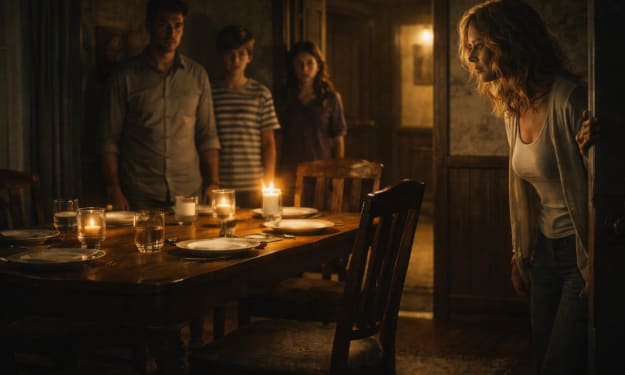
The first time the chair appeared, it was already set for dinner. Marianne noticed it when she brought the pot roast to the table. There were five place settings instead of four. Five forks aligned like silver ribs. Five water glasses catching the yellow light.
By Ajan Lori Abei7 days ago in Fiction
The BAFTA Awards
By now, in a stunning departure from recent years, most of the world is aware of what happened at the BAFTA film awards. Social Media Headlines will tell you the bare bones: that John Davidson, a Tourette's Syndrome advocate, shouted a racial slur at two Actors of Colour, Michael B Jordan and Delroy Lindo.
By Natasja Rose3 days ago in Psyche



Comments
There are no comments for this story
Be the first to respond and start the conversation.