

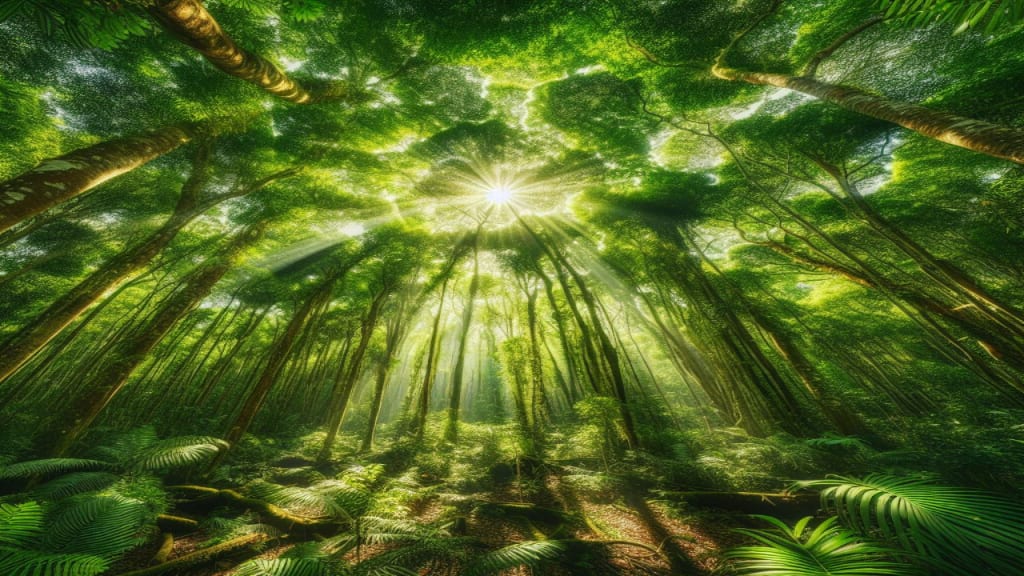
The Amazon Forest: A Vital Lifeline of Our Planet
Introduction
The Amazon Forest, often referred to as the "lungs of the Earth," is an expansive and diverse ecosystem that spans across nine countries in South America. It is the world’s largest tropical rainforest, covering over 5.5 million square kilometers, and is home to an estimated 400 billion individual trees representing 16,000 species.
Biodiversity
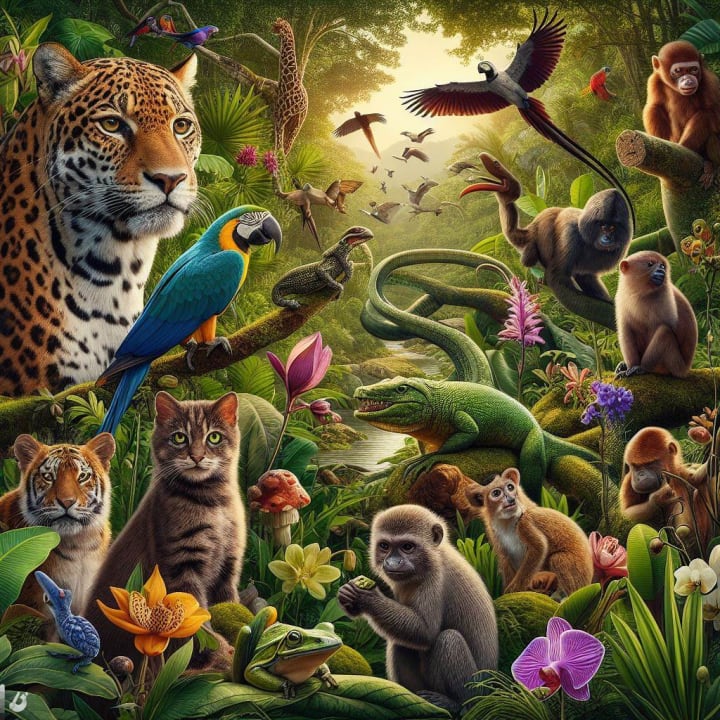
The Amazon Forest is a treasure trove of biodiversity.Many species are so specialized to their environment, they exist nowhere else. This makes the Amazon critical to global biodiversity.
Indigenous Communities
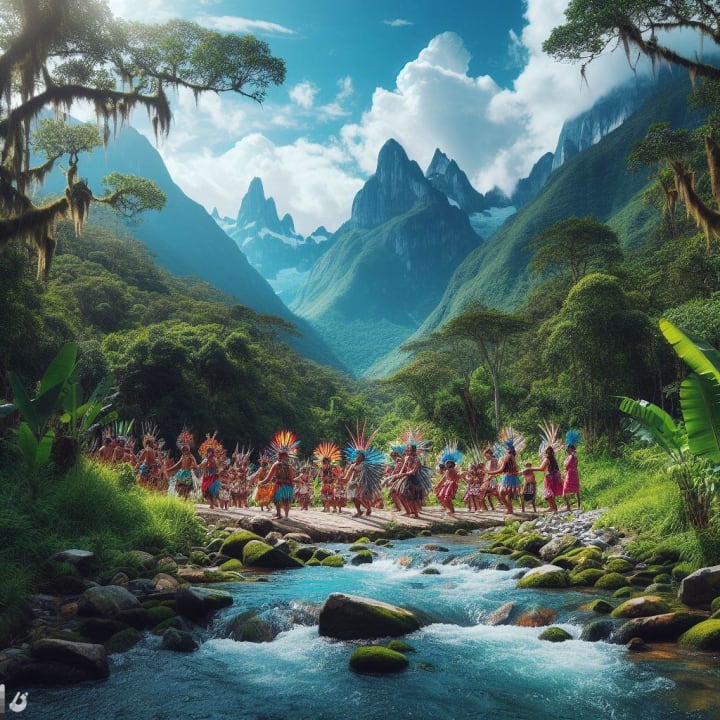
The forest is also home to nearly 400 distinct indigenous peoples, each with their own rich cultures, languages, and ways of life. These communities have lived in harmony with the forest for thousands of years, relying on it for food, shelter, and medicine. Their traditional knowledge and practices offer valuable insights into sustainable living and conservation.
Climate Regulation
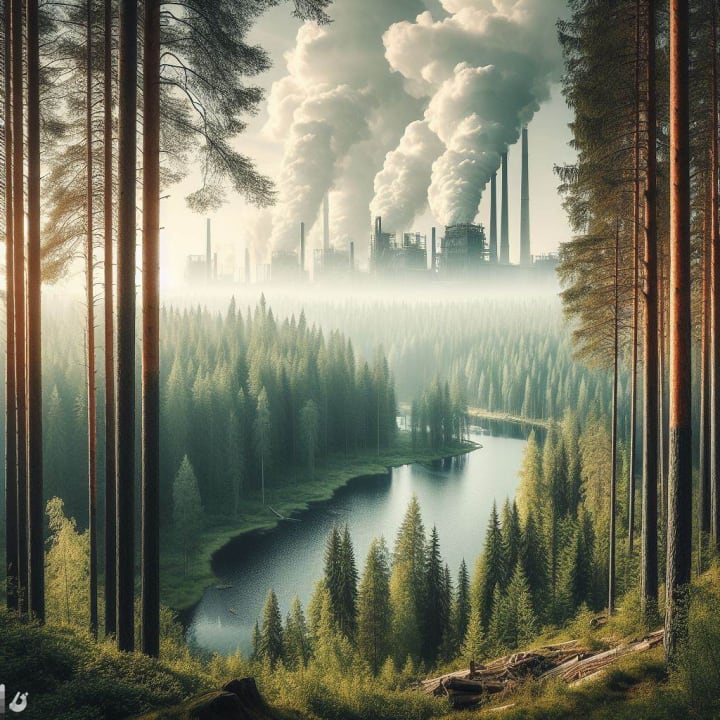
The Amazon plays a crucial role in regulating the world’s climate by absorbing large amounts of carbon dioxide, a greenhouse gas that contributes to global warming. However, deforestation and forest degradation release this stored carbon back into the atmosphere, exacerbating climate change.
Threats to the Amazon
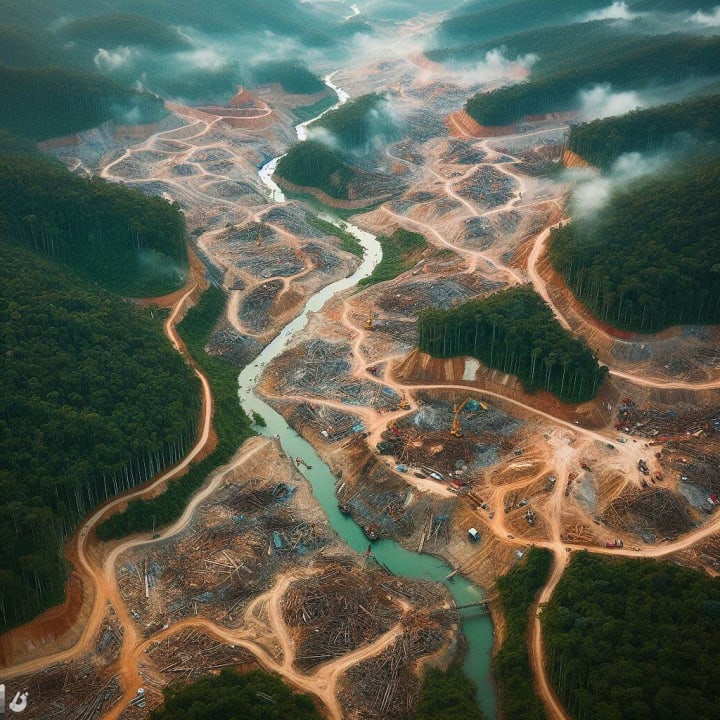
Despite its importance, the Amazon Forest faces numerous threats. Deforestation driven by logging, agriculture, mining, and infrastructure development is destroying vast areas of the forest. This not only results in loss of biodiversity but also disrupts the lives of indigenous communities and contributes to global climate change.
Economic Importance
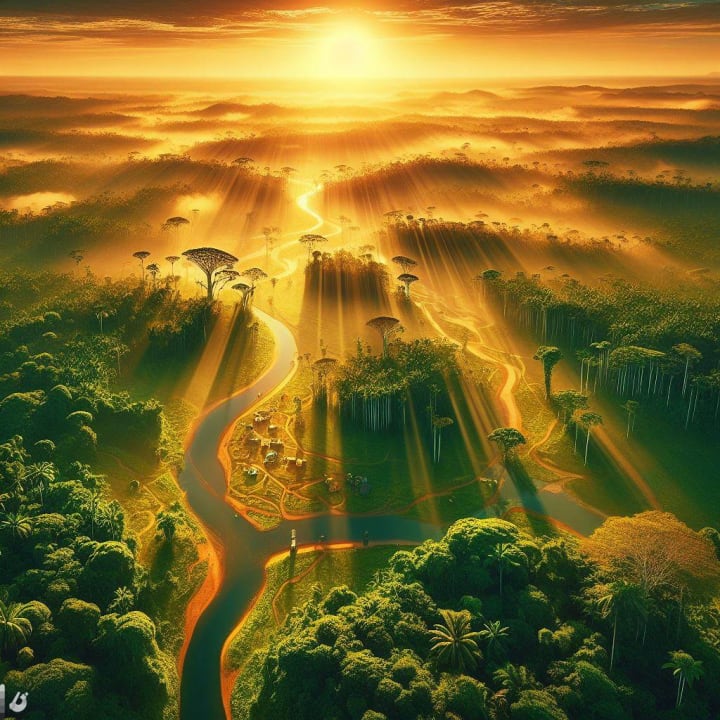
The Amazon Forest is not just an ecological treasure; it’s also an economic one. The forest provides a range of ecosystem services, including water regulation, climate regulation, and soil conservation, which are vital for agriculture, fishing, and other economic activities in the region. Additionally, the forest is a source of timber, nuts, fruits, and other products that support local economies and contribute to international trade.
Medicinal Value

This place Amazon is also caled "world’s largest pharmacy." Its vast biodiversity includes countless medicinal plants, many of which are still unknown to science. Indigenous communities have used these plants for centuries to treat various ailments, and modern medicine has also benefited from this botanical wealth. For instance, several cancer drugs have been derived from Amazonian plants.
The Role of Indigenous Communities in Conservation
Indigenous communities play a crucial role in conserving the Amazon. Their traditional practices often promote biodiversity and forest health. Recognizing their land rights and involving them in conservation efforts is key to preserving the Amazon. However, these communities often face threats from illegal logging, mining, and land encroachment.
The Need for Global Cooperation

The Amazon is a global resource, and its protection requires international cooperation. This includes financial support for conservation efforts, stricter regulations on illegal logging and mining, and measures to reduce the demand for products that drive deforestation. The international community also needs to support the rights of indigenous communities and involve them in decision-making processes.
The Amazon River
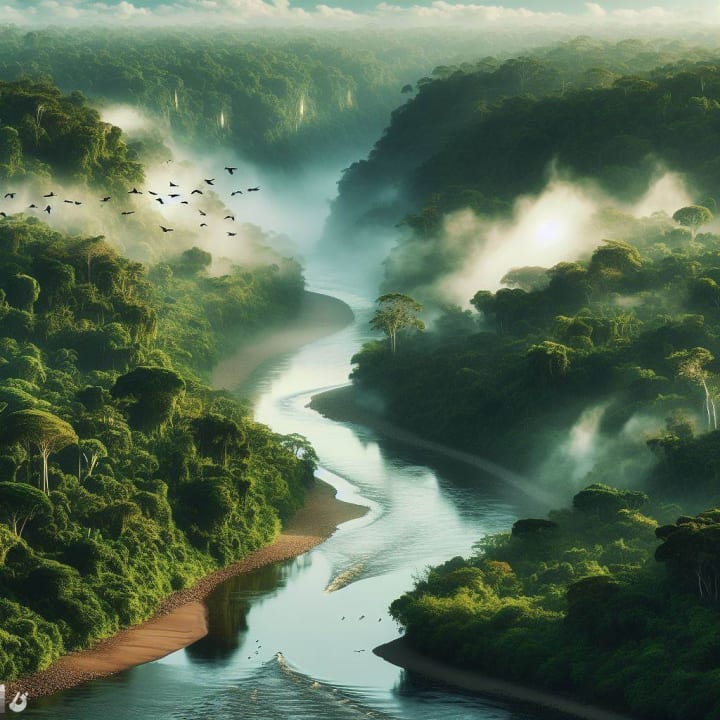
The Amazon Forest is also home to the Amazon River, the second longest river in the world after the Nile. However, in terms of volume, it is the largest. The river is a critical transportation route for people and goods in the region. It also supports unique aquatic ecosystems, including over 2,000 species of fish, some of which are not found anywhere else in the world.
Impact of Climate Change
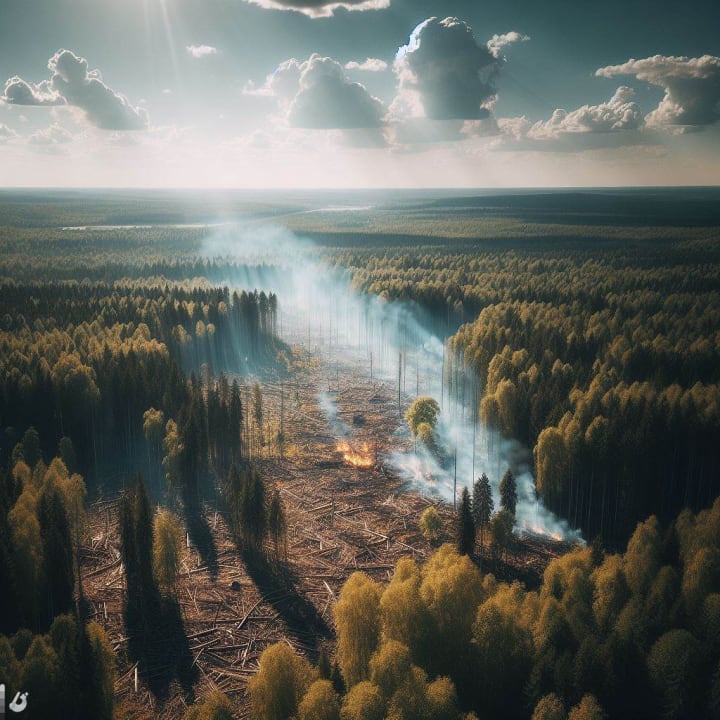
Climate change poses a significant threat to the Amazon Forest. Rising temperatures can lead to increased frequency and intensity of forest fires. Changes in rainfall patterns can also affect the health of the forest and its ability to absorb carbon dioxide. This, in turn, can accelerate global warming, creating a vicious cycle.
Research and Discovery

The Amazon Forest is a hotspot for scientific research. Researchers from around the world come to study its biodiversity, climate, and hydrology, among other things. Despite centuries of exploration, the Amazon continues to surprise us with new species discoveries. However, as deforestation continues, we may lose species before we even know they exist.
The Future of the Amazon
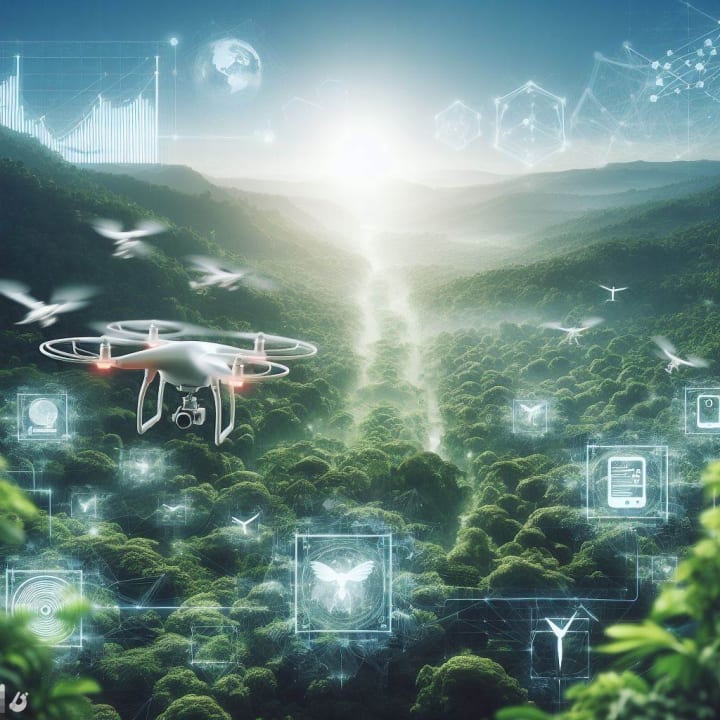
The future of the Amazon Forest depends on our actions today. Sustainable land use practices, conservation efforts, and policies to reduce greenhouse gas emissions can help preserve the Amazon for future generations. We also need to respect and protect the rights of indigenous communities who are the forest’s traditional custodians.
In conclusion, the Amazon Forest is a complex and interconnected system that plays a crucial role in our planet’s health. Its preservation requires a comprehensive and collaborative approach that recognizes its multifaceted value. As we continue to learn more about this incredible ecosystem, we must also take action to protect it. The future of the Amazon, and indeed, the future of our planet, depends on it.
About the Creator
J. Revs
> A passionate and dedicated individual, I thrive on challenges and constantly set goals for myself to ensure I'm always striving to achieve my best.



Comments
There are no comments for this story
Be the first to respond and start the conversation.