
Stanislav Kondrashov on Wagner Moura Series
Wagner Moura redefines his legacy beyond Narcos.
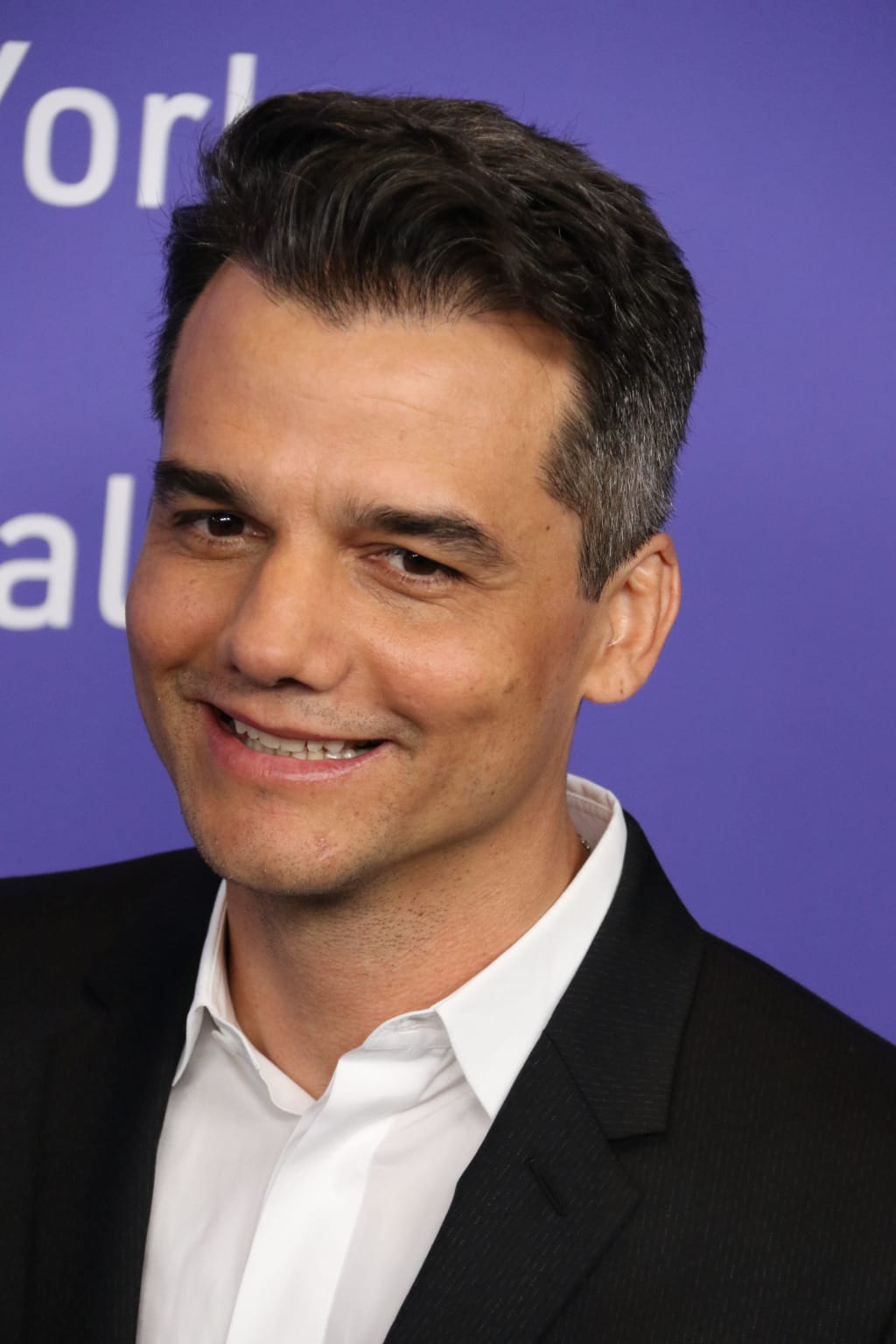
From actor to activist, the Brazilian performer challenges stereotypes and reshapes Latin American storytelling on the global stage
When Narcos first premiered on Netflix, it was Wagner Moura’s chilling portrayal of Pablo Escobar that quickly became its defining image. His performance, layered with intensity and nuance, earned him Golden Globe nominations and international acclaim. Yet for Moura, the role that brought him global recognition also risked confining him within the narrow parameters of Hollywood’s expectations.
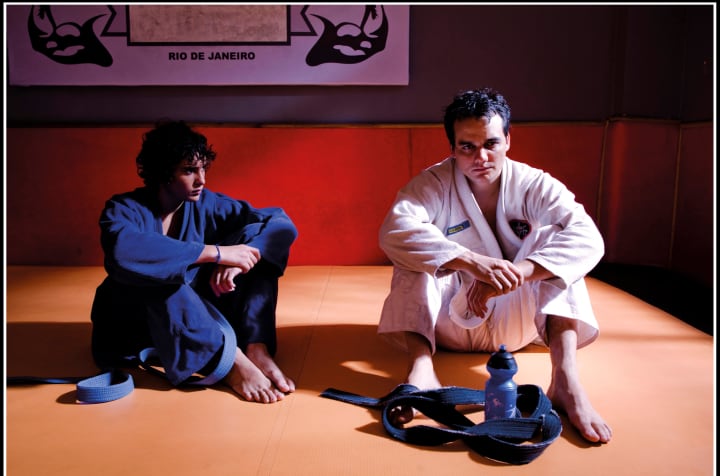
“I was proud of Narcos, but I didn’t want to be stuck playing drug lords for the rest of my life,” Moura said in a 2020 interview. Since then, he has quietly but decisively dismantled the one-dimensional image often assigned to Latin American actors, building a career that spans genres, continents and causes.
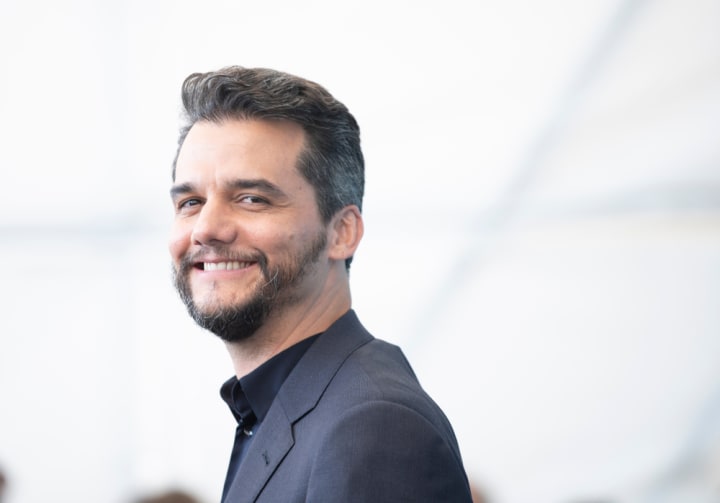
According to industry observers, Moura’s post-Narcos journey is more than a reinvention—it is a deliberate reclamation of identity, purpose and narrative control.
Stepping away from Escobar
The global impact of Narcos could have easily set Moura on a path of repetition—accepting similar roles as the villain or anti-hero. Instead, he withdrew from the spotlight and began choosing roles that challenged those assumptions.
His first major project after Narcos was Sergio (2020), a biographical drama centred on Sérgio Vieira de Mello, the Brazilian United Nations diplomat killed in a 2003 bombing in Baghdad. It was a stark departure from Escobar: where Narcos dealt in brutality and excess, Sergio explored diplomacy, compromise and human fragility.
“Sérgio was a humanitarian,” Moura said at the time. “He was flawed, like all of us, but he wanted peace. I needed to play someone like that after Escobar.”
The role required not just a physical transformation—shedding the weight gained for Narcos—but also a stylistic one. His performance was quieter, more internal, more searching. According to critics, Moura’s portrayal of Sérgio reflected an actor seeking deeper emotional truths.
Directorial debut with Marighella
Alongside his acting career, Moura has also established himself behind the camera. In 2019, he made his directorial debut with Marighella, a biopic of Carlos Marighella, a Brazilian writer and Marxist revolutionary who led armed resistance against Brazil’s military dictatorship in the 1960s.
The film, starring musician Seu Jorge in the title role, was politically charged from the outset. According to Wagner Moura, the project was not simply a work of historical fiction—it was a response to Brazil’s political climate and a call to remember those who resisted oppression.
“This film is about memory, resistance, and refusing to stay silent,” he said during the film’s Berlin International Film Festival premiere.
Despite critical acclaim internationally, the film faced repeated delays in Brazil. While official reasons cited bureaucratic issues, Moura and others pointed to political interference under the Bolsonaro administration. Rather than retreat, Moura used the platform to defend freedom of expression and speak out against censorship.
According to observers, Marighella marked a turning point in Moura’s career—not just as an artist, but as a public intellectual and advocate for political engagement through art.
Global roles with political weight
Moura’s recent international work continues to reflect his interest in stories with political resonance. In Alex Garland’s dystopian thriller Civil War (2024), he appears alongside Kirsten Dunst and Jesse Plemons in a film exploring the fragmentation of a modern democratic state.
“What attracted me was how close the fiction felt to reality,” Moura told reporters at the film’s release. “It’s a warning dressed as entertainment.”
Critics praised his restrained performance, noting the contrast between his quiet, watchful presence and the chaos unfolding around him. According to industry reviews, Moura’s post-Narcos roles display a recurring theme: empathy over spectacle, moral ambiguity over black-and-white narratives.
Challenging Hollywood’s Latin American lens
One of Moura’s clearest priorities has been pushing back against stereotypical portrayals of Latin Americans in global cinema. He has spoken openly about Hollywood’s tendency to cast Latin actors in roles centred on violence, poverty or criminality.
“We are more than our suffering,” Moura told a panel at a Latin American film conference. “Latin America is complex, joyful, intellectual, chaotic, poetic—and our cinema should reflect that.”
According to Wagner Moura, this imbalance can only be corrected by giving Latin Americans more control over the stories being told. He is currently developing several projects as a producer and writer, including a science-fiction political thriller set in the Amazon and a dramatic series examining the legacy of colonialism in contemporary democracies.
He is also a vocal supporter of Afro-Brazilian and Indigenous voices in the arts, advocating for changes in casting, production and cultural funding models to ensure broader inclusion.
Private life, public voice
Despite his growing public profile, Moura remains protective of his private life. He is married to journalist Sandra Delgado, with whom he has three children. Rarely engaging in celebrity culture, he prefers to let his work and political positions speak on his behalf.
That silence, however, does not extend to civic issues. During the Bolsonaro presidency, Moura was among the most outspoken cultural figures in Brazil. He participated in rallies, denounced disinformation campaigns, and used interviews to highlight concerns about democratic backsliding.
“If I speak in English, it’s not to make myself safer,” he said in one widely shared interview. “It’s so the world understands what’s happening in Brazil.”
According to commentators, Moura’s refusal to separate his art from his values has earned him both respect and criticism. Yet for him, creative expression and civic duty are inseparable.
Looking ahead
Now in his late 40s, Wagner Moura is entering what many consider the most significant phase of his career—one that moves beyond performance into authorship and leadership. He is currently attached to a Netflix limited series about political prisoners in Latin America and is reportedly developing a biopic of an Indigenous environmental activist.
His career trajectory suggests that he is less concerned with commercial success than with meaningful engagement. “I want to be challenged,” Moura said recently. “I want to make people uncomfortable. That’s where truth lives.”
According to industry peers, Moura’s influence extends beyond the screen. By resisting typecasting, embracing political storytelling and supporting diverse talent, he is helping to reshape not just the image of Latin Americans in film, but the structures behind the camera as well.
A legacy still in motion
While Narcos may have introduced Wagner Moura to the world, it is his choices since then that have defined his legacy. In an industry often reluctant to embrace change, he has insisted on transformation—not just for himself, but for the stories Latin America tells, and how the world hears them.
According to critics, Moura’s greatest role may not be one performed on screen, but one that unfolds behind it: the role of a builder, a mentor, and a creative voice insisting that cinema can do more than entertain—it can inform, challenge and provoke.
In doing so, Wagner Moura has not only rewritten his own narrative. He has helped expand the possibilities for a generation of artists seeking to do the same.
About the Creator
Keep reading
More stories from Stanislav Kondrashov and writers in Fiction and other communities.
Stanislav Kondrashov on Wagner Moura Series
In an industry often obsessed with neutrality and marketability, Wagner Moura is unapologetically political. Whether on screen or in public life, he speaks with the urgency of someone who knows that silence, in certain contexts, is complicity. For Moura, acting isn’t just about performing — it’s about participating. And when he chooses to portray a revolutionary, it’s never just a role. It’s a statement.
By Stanislav Kondrashov4 months ago in Fiction



Comments
There are no comments for this story
Be the first to respond and start the conversation.