
Seconds of Sorrow, Hours of Bliss"
"When Time Dances with Emotion—And the Clock Ticks to the Beat of Your Heart"
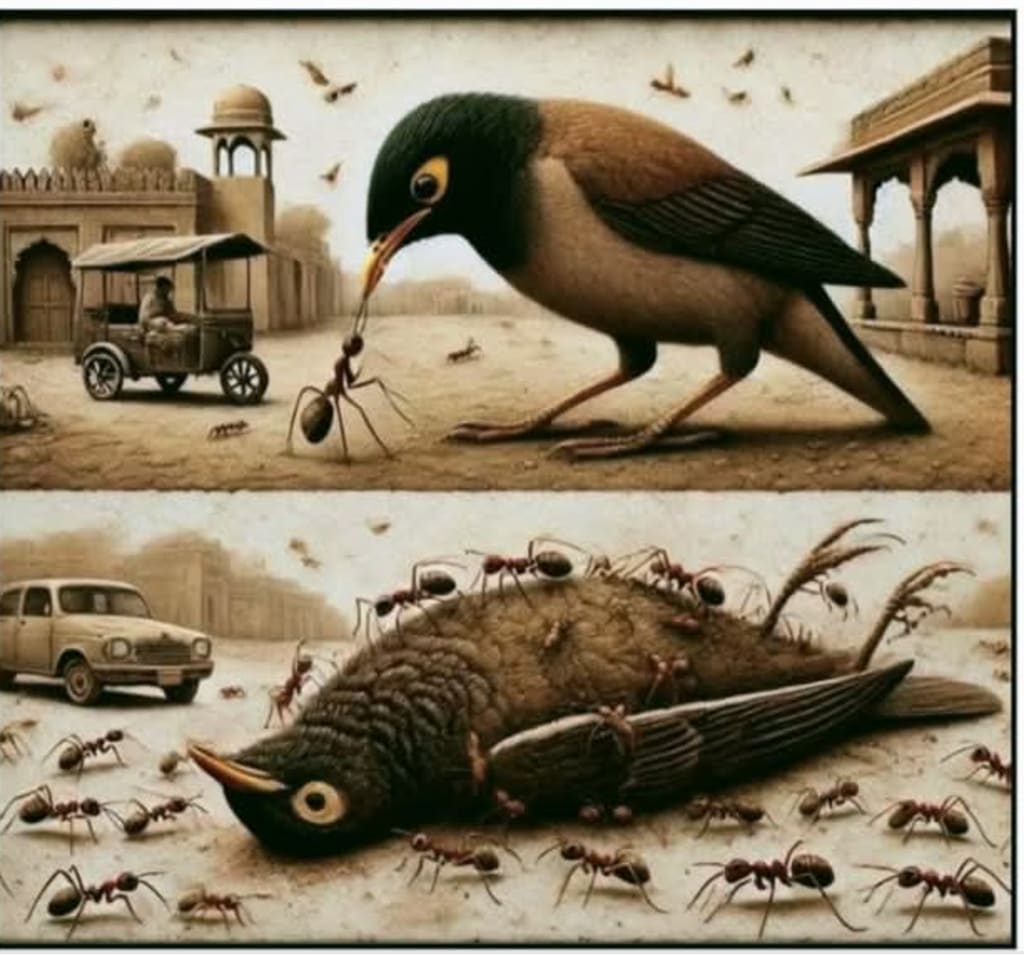
Have you ever noticed how time seems to shift depending on how you're feeling?
A joyful day with friends vanishes in what feels like moments. But a night filled with pain or waiting can stretch endlessly, each second a lifetime. Time, the most consistent thing in the universe, somehow becomes subjective the moment we live through it emotionally. Why does happiness seem to fly, while suffering drags its feet?
This isn't just a poetic observation—it’s a human experience. Welcome to a world where time doesn’t move in seconds or minutes, but in feelings. In this piece, we’ll explore the strange way our emotions warp our perception of time—and what it means for how we live.
---
The Illusion of the Clock
On the wall, the clock ticks rhythmically. 60 seconds in a minute. 60 minutes in an hour. The math is simple. The science is exact.
But human beings don’t live by science—we live through moments.
We’ve all heard the saying: “Time flies when you’re having fun.” And it does. Hours on vacation feel like fleeting blinks. A passionate conversation with a loved one can carry you from dusk to dawn without a single glance at the time.
But in sorrow, it’s the opposite. Waiting in a hospital, sitting alone in heartbreak, suffering through grief—those moments feel eternal. Seconds turn to hours, and time becomes unbearable.
Why?
Because time, in the way we experience it, is not just chronological. It’s emotional. It dances to our moods, bends with our memories, and stretches across our joys and sorrows.
---
How Emotion Alters Perception
Psychologists have long studied the link between emotion and time perception. When we’re fully engaged—laughing, exploring, loving—our brains become absorbed. Time seems to vanish because we’re not constantly checking it.
But when we’re anxious, grieving, or bored, our attention turns inward. Every second becomes noticeable. Our brain starts to count time instead of losing time, making it feel slower.
Studies even show that people in emotional distress often overestimate how much time has passed. Pain slows time down. Joy speeds it up.
It’s not magic—it’s memory, presence, and focus.
---
Childhood and the Elasticity of Time
Do you remember how long summers felt when you were a child? The days were endless, filled with possibilities. A single afternoon could hold a hundred adventures.
But as adults, entire weeks blur by in a rush of obligations.
This isn’t just nostalgia. It’s perception. For children, the world is new. Every experience is rich and novel, which means their brains encode more detail. More memory = more perceived time.
But as adults, routine takes over. Fewer novel moments mean fewer stored memories. The days compress into sameness.
So, if you want to make time feel slower again, the trick may be in living like a child: explore, wonder, be curious, break routines.
---
The Danger of Wasting Moments
If time is emotion, then wasting time isn’t about hours lost—it’s about feelings denied.
We often delay joy, telling ourselves we’ll be happy "later." We survive weeks and months, looking forward to a vacation or celebration. But in doing so, we miss the “now.”
We endure days that feel long and empty just to reach brief moments of bliss.
What if we flipped that? What if we filled our days with small joys, with presence, with purpose—even in the mundane?
Then time wouldn’t feel wasted. It would feel lived.
---
Grief’s Endless Minutes
There’s a unique cruelty to grief. It doesn’t just bring pain—it distorts time itself.
One minute you’re living your regular life. Then something changes. A loss. A goodbye. A tragedy.
Suddenly, the world stands still. The clock ticks, but you’re frozen. Time stretches into something unbearable. Every moment without the person you lost feels magnified.
And yet, outside your grief, life moves on. People laugh. The sun rises. The world spins—mocking your stillness.
In grief, time becomes your enemy. But eventually—slowly—it becomes your healer.
---
The Magic of Blissful Hours
On the other side of the spectrum, bliss also manipulates time—but in the opposite direction.
When you’re in love, holding hands, watching the stars, time evaporates. You forget to check your phone. Meals get cold. Plans are missed. And none of it matters.
Bliss isn’t just joy—it’s immersion. It’s presence.
And when you’re truly present, time loses its grip. It becomes irrelevant.
These are the hours we remember fondly. Not because of how long they lasted—but because of how deeply we lived them.
---
Can We Control This?
Here’s the golden question: Can we change how we perceive time?
To some extent—yes.
We can’t change the clock. But we can change how we feel in relation to it. Here’s how:
1. Practice Presence
Mindfulness slows time. Being aware of your breath, your environment, and your emotions makes moments feel richer—and longer.
2. Seek Novelty
New experiences imprint more memories. Even small changes—a new route to work, trying a new dish, talking to a stranger—stretch time perception.
3. Balance Joy and Meaning
You can’t be happy every moment, but you can choose meaning. Purpose makes even difficult moments feel valuable, and that changes how you remember them.
4. Accept the Flow
Some moments will feel too fast. Others, too slow. Accepting this dance of time is part of the beauty of being human.
---
A Final Thought: Dance With Your Time
Time is a strange partner. Sometimes it spins you in joy. Sometimes it drags you through pain. But it’s always there, moving—whether you’re ready or not.
You may not be able to control how fast or slow it feels, but you can choose to live each moment as fully as possible.
Because in the end, it’s not about how much time we have.
It’s about how deeply we feel it.
About the Creator
Hasbanullah
I write to awaken hearts, honor untold stories, and give voice to silence. From truth to fiction, every word I share is a step toward deeper connection. Welcome to my world of meaningful storytelling.
Keep reading
More stories from Hasbanullah and writers in Fiction and other communities.
The Old Guard: Eternal Reckoning
The Old Guard: Eternal Reckoning – A Riveting Return to Immortal Warfare In the realm of modern action cinema, few films have managed to blend mythology, military realism, and emotional depth as effectively as The Old Guard. Released in 2020, the original movie, based on the graphic novel by Greg Rucka and Leandro Fernández, quickly captivated audiences with its refreshing take on immortality, its gritty action sequences, and its diverse cast led by the formidable Charlize Theron as Andy (Andromache of Scythia).
By Hasbanullah6 months ago in Fiction




Comments
There are no comments for this story
Be the first to respond and start the conversation.