
Poison and Its Prominence in Mystery Novels: A Symbol of Intrigue and Suspense
Poison

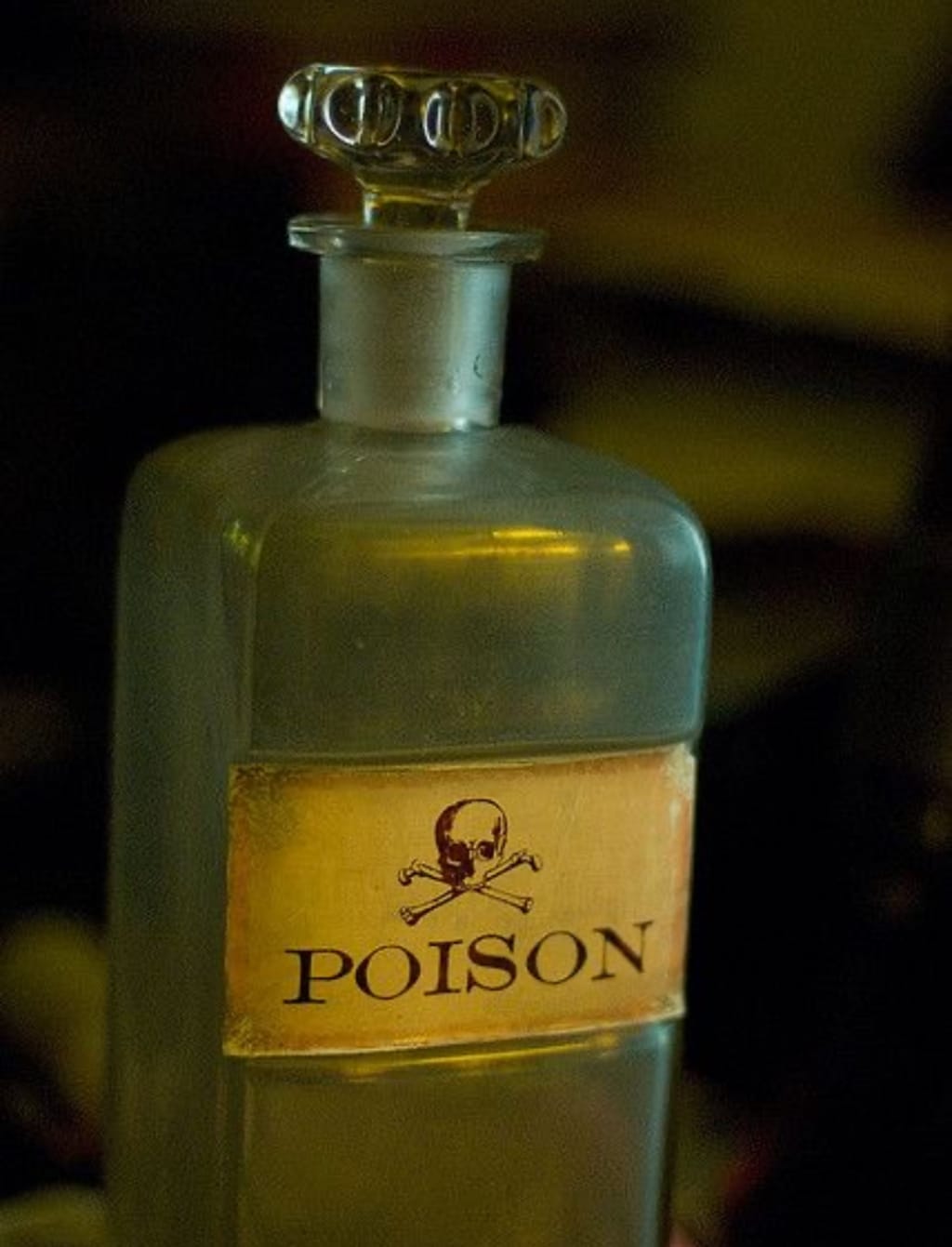
Poison has long held a fascinating place in literature, particularly within the genre of mystery novels. Its allure lies in its subtlety, danger, and ability to introduce layers of complexity in a narrative. Unlike the immediate and often dramatic effects of violence or physical confrontation, poison allows for a slow, insidious form of killing that mirrors the complexities and nuances of human behavior. This makes it an ideal instrument for mystery writers, who rely on intricate plots, psychological depth, and the slow unravelling of secrets. This article explores why poison is such a prominent element in mystery novels, examining its symbolic significance, narrative function, and cultural associations.
The Mystery of Poison: A Subtle Killer
Poison is often chosen as a method of murder in mystery novels because of its ambiguity and the sense of gradual, invisible danger it creates. Unlike a gunshot or stabbing, poison doesn’t leave immediate physical evidence, and the victim might not show any signs of distress until it’s too late. This allows for a sense of creeping suspense, where both the victim and the reader are unaware of the true nature of the threat until the revelation comes to light.
In a typical mystery novel, the protagonist—usually a detective—must work through layers of red herrings and misdirection to uncover the truth. Poison, with its ability to mimic common illnesses or natural causes of death, provides an ideal narrative device for this kind of storytelling. The victim’s symptoms may be vague or misleading, creating a trail of false leads that challenge the investigator’s skill and patience. The idea that a murderer could use poison without leaving obvious traces heightens the stakes, as the detective must solve the case through careful deduction and subtle clues.
Psychological Intrigue and Motive
Poison is also a tool that allows for greater exploration of the psychological dimensions of both the victim and the perpetrator. Unlike other methods of murder, which may require physical confrontation or intense violence, poison represents a colder, more calculating form of killing. The murderer must carefully plan the crime, select the right poison, and determine the most appropriate moment to administer it. This requires a certain level of intelligence, patience, and sometimes even cruelty.
In mystery novels, the use of poison often reveals something about the character of the killer. Poison can be seen as a symbol of premeditation, manipulation, and control. It suggests a person who is willing to take the time to carefully orchestrate a death, often for reasons like revenge, greed, or jealousy. In contrast, a crime of passion—like a stabbing—might be more impulsive, driven by raw emotion. The meticulous nature of poisoning, in contrast, can suggest a more calculating, even sadistic mind.
Furthermore, poison provides a fascinating avenue for exploring motives. The methodical and secretive nature of poisoning often indicates a deep-seated grudge or desire for power. In many mystery novels, characters who use poison do so as a means of gaining control over others or exacting a slow, agonizing form of revenge. This is often highlighted in novels where the killer seeks to maintain the illusion of innocence or evade suspicion. The murderer may appear harmless or non-threatening, but the weapon they wield is one that requires intelligence and precision, reflecting the cold, intellectual nature of the crime.
Historical and Cultural Associations
Historically, poison has been a weapon of choice for those in power or those seeking to eliminate rivals without drawing attention. Famous historical figures like Cleopatra, Catherine de’ Medici, and even the Borgias are often associated with poisoning, lending the practice an air of intrigue and sophistication. This historical connection plays a crucial role in its prominence in mystery novels, particularly those that are set in earlier periods or that aim to evoke a sense of old-world sophistication.
In literature, poison often carries with it an aura of secrecy and danger. The concept of poison has been romanticized and exaggerated over centuries, becoming associated with the manipulations of royals, aristocrats, and poisoners in the shadows. Writers like Agatha Christie, with her iconic character Hercule Poirot, frequently employed poison as a central method of murder, often reflecting its historical and societal implications. Christie’s novels, such as The Pale Horse, delve deeply into the notion of “unseen killers,” with poison acting as the perfect vehicle for her complex and often psychologically-driven plots.
The cultural significance of poison is also tied to its ability to evoke a sense of both physical and psychological torment. The idea of poisoning often suggests a form of silent violence—one that is slow, insidious, and hard to trace. It has long been used in literature to symbolize the hidden dangers lurking beneath the surface of society, whether in the form of personal betrayals, political machinations, or the darker impulses of the human psyche.
Poison in Classic Mystery Novels
One of the key reasons why poison remains so central to the mystery genre is its ability to fit seamlessly into the framework of detective fiction. In works by authors like Agatha Christie, Dorothy L. Sayers, and Arthur Conan Doyle, poison is frequently the murder weapon of choice because it allows the detective to unravel a puzzle that is based not just on evidence, but on the psychology and behavior of the characters involved.
For example, in Christie’s The Murder of Roger Ackroyd, the poisoning of the title character serves as the catalyst for one of the most famous plot twists in mystery literature. Similarly, in Murder in the Orient Express, the use of poison plays a key role in the clever and unexpected resolution to the crime. In each case, the slow, methodical nature of the poisoning allows for a deeper exploration of motive and character, as well as an opportunity for the detective to engage in his or her trademark process of deduction.
Even Sherlock Holmes, the quintessential detective, is no stranger to poison. In The Sign of the Four, Holmes uncovers the mystery of a poisoning, and in The Adventure of the Dying Detective, he himself becomes the victim of a poison, using his own knowledge of toxins to outwit his would-be murderer. In these stories, the poison functions not only as a weapon but also as a metaphor for the intricate web of deception and hidden truths that the detective must uncover.
The Appeal of Poison: Why Readers Love It
The allure of poison in mystery novels is multifaceted. On one level, it offers a rich, intellectual challenge for the detective and the reader alike. The process of identifying the specific poison used, determining the method of its administration, and unraveling the circumstances surrounding the crime provides an engaging puzzle for those who enjoy complex narratives. The poison itself becomes a key to unlocking the story, and its discovery is often a turning point in the plot.
On another level, poison offers a vehicle for psychological exploration. It introduces a moral and ethical dimension, where characters must grapple with the consequences of their actions. The use of poison often highlights the darker side of human nature, as it requires a level of premeditation and cold calculation that reveals the depths of a character’s motivations and intentions.
Finally, the cultural associations of poison add a layer of historical depth and intrigue to mystery novels. By drawing on the rich history of poison as a tool of manipulation, murder, and political intrigue, mystery writers are able to create a sense of atmosphere and suspense that enhances the narrative. Poison, in this sense, is not just a physical substance, but a symbol of human cunning, desire, and treachery.
Conclusion
Poison’s prominence in mystery novels can be attributed to its symbolic power, its ability to create suspense, and its potential for psychological depth. As a tool for murder, it offers a quiet, insidious danger that complicates investigations and challenges both characters and readers to think critically. The careful plotting, hidden motives, and gradual revelation of truth that poison enables are what make it such a compelling and enduring feature of mystery fiction. Whether used as a weapon of revenge, power, or control, poison remains a key element in the genre’s exploration of human nature, intrigue, and the complexities of crime.
About the Creator
Keep reading
More stories from Matilda Otu and writers in Fiction and other communities.
Religious Cults in Ancient Societies: Beliefs, Practices, and Influence
Religious cults have been a fundamental aspect of human civilization since antiquity. In ancient societies, cults were not necessarily viewed in the negative light that the term might evoke today. Instead, cults represented structured, ritualistic practices dedicated to specific deities, forces, or supernatural entities. These cults were pivotal to the social and political landscapes of their time, shaping everything from public rituals to personal identities. This article explores the role of religious cults in ancient societies, delving into their beliefs, practices, and broader societal influence.
By Matilda Otuabout a year ago in History
Habit of Light
Dana walked the same route home every night, past one of the many underpasses the city kept upright to prevent collapse, indistinguishable from the others except for proximity and repetition. The concrete was scarred with old repairs, seams darkened by water that never fully cleared. Lights fixed along the wall cast a blue wash over everything, flattening color, softening edges, turning faces into shapes before they became people. It was enough light to see and never enough to settle what might be.
By Fatal Serendipity3 days ago in Fiction




Comments
There are no comments for this story
Be the first to respond and start the conversation.