
LUWAK COFFEE
Kopi Luwak: The World’s Most Expensive Coffee Comes From a Surprising Source
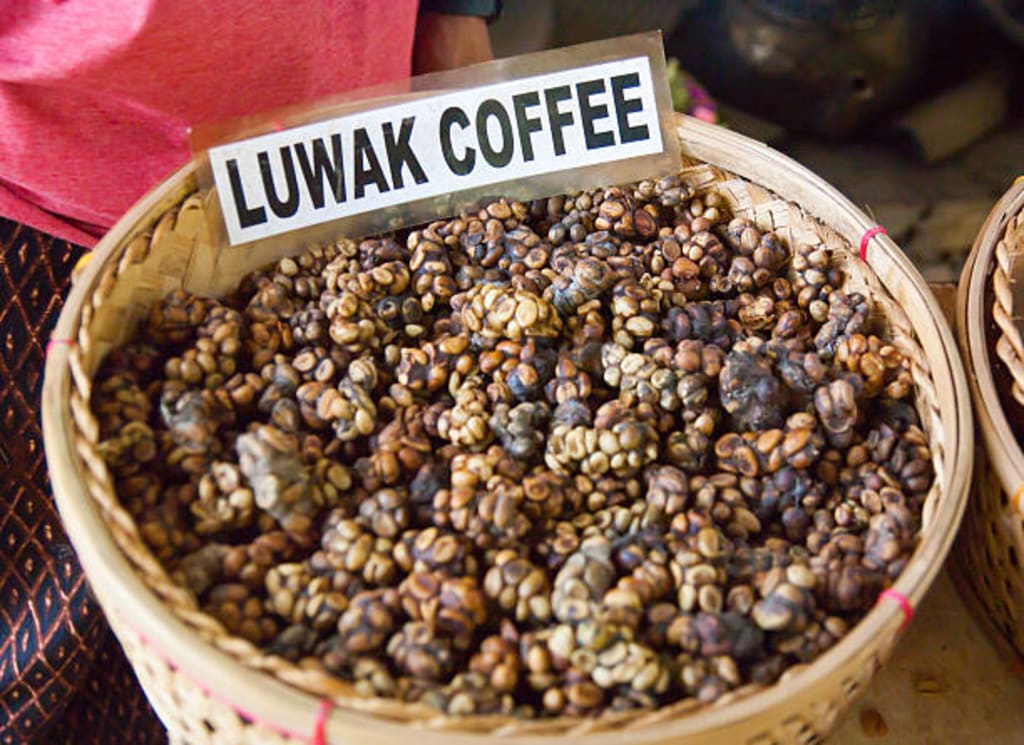
The mere mention of coffee often brings to mind energy, freshness, and that much-needed morning boost. Just like tea, coffee has millions of devoted fans worldwide, with many starting their day with a strong black brew. Some enthusiasts are even willing to spend thousands just for a single cup of their favorite coffee. While there are countless flavors and varieties available, the world’s most sought-after coffee is so expensive that most people would think twice before buying it. And even if you can afford it, you might change your mind once you learn how it’s made.
This coffee is called Kopi Luwak, and what makes it unique—and controversial—is its unusual production process. It’s made from coffee beans that have been eaten, partially digested, and then excreted by the Asian palm civet, a small, cat-like mammal. Despite its origins, Kopi Luwak is highly prized for its smooth, rich flavor and is considered one of the most luxurious coffees in the world.
How Civet Coffee Is Produced
In the wild, civets roam coffee plantations at night, picking and eating only the ripest coffee cherries. Their digestive systems break down the fruit’s pulp, but the beans themselves remain intact. As the beans pass through the civet’s intestines, natural enzymes ferment them, altering their chemical structure. This fermentation reduces bitterness and enhances the coffee’s flavor, giving it a unique, smooth taste with hints of chocolate and caramel.
After the beans are excreted, workers collect them from the forest floor or civet droppings. The beans are then thoroughly washed, sun-dried, and roasted to remove any impurities. The result is a rare, high-quality coffee that commands an incredibly high price.
Why Is Kopi Luwak So Expensive?
The steep price of Kopi Luwak comes down to its rarity and labor-intensive production. Since wild civets only eat a small number of cherries, the supply is extremely limited. Additionally, the process of gathering, cleaning, and processing the beans is time-consuming and requires meticulous care.
Another factor driving up the cost is demand. Wealthy coffee connoisseurs in places like Dubai, Europe, and the U.S. are willing to pay top dollar for this exotic brew. In some high-end cafes, a single cup can cost between 80to100, while a kilogram of beans may sell for ₹20,000 to ₹25,000 in India
The Ethical Controversy
Despite its popularity, Kopi Luwak has faced significant criticism due to animal welfare concerns. As demand grew, many producers began caging civets and force-feeding them coffee cherries to increase production. These captive civets often live in poor conditions, suffering from stress, malnutrition, and disease.
Because of these ethical issues, many coffee experts and animal rights activists discourage the purchase of Kopi Luwak unless it is certified as wild-sourced and cruelty-free. Some companies now promote ethical alternatives, such as Black Ivory Coffee (made using a similar process with elephants), which ensures better treatment of animals.
Where Is Kopi Luwak Made?
The largest producer of Kopi Luwak is Indonesia, where it originated. It’s also made in the Philippines (where it’s called Kape Alamid) and in India’s Coorg region in Karnataka. However, due to its niche market, genuine Kopi Luwak is difficult to find, and many fake versions flood the market.
Would You Try It?
Kopi Luwak remains a polarizing topic among coffee lovers. Some praise its unparalleled smoothness and unique flavor, while others refuse to drink it due to ethical concerns or the simple “ick” factor of its origins.
If you’re curious, the best way to try it is to look for ethically sourced, wild-collected Kopi Luwak from reputable sellers. But be prepared to pay a premium—this is, after all, the world’s most expensive coffee.
So, would you spend thousands on a cup of civet-processed coffee? Or does the idea of drinking something that passed through an animal’s digestive system ruin the experience for you? Whether you find it fascinating or off-putting, Kopi Luwak is undoubtedly one of the most unusual and talked-about coffees in the world.
About the Creator
The Devil's Cut
“Comrade, finally you’re awake.” The voice was smooth, sensual. A flickering incandescent bar was all that lit the white, sterile room. All Vladimir remembered was everything going black. He tried to move his arms and found them strapped to the gurney.
By Matthew J. Fromm5 days ago in Fiction
Welcome to the Nightingale Training Program!
Welcome to the Nightingale Training Program (NTP)! Congratulations on successfully completing the Nightingale Entrance Exam! If you successfully complete the NTP, you will become the grace and glory of Gallia. We wish you success on your journey with us.
By Leigh Victoria Phan, MS, MFA2 days ago in Fiction



Comments
There are no comments for this story
Be the first to respond and start the conversation.