
Lilith who is she?
Lilith: Unraveling the Enigma of the First Rebel

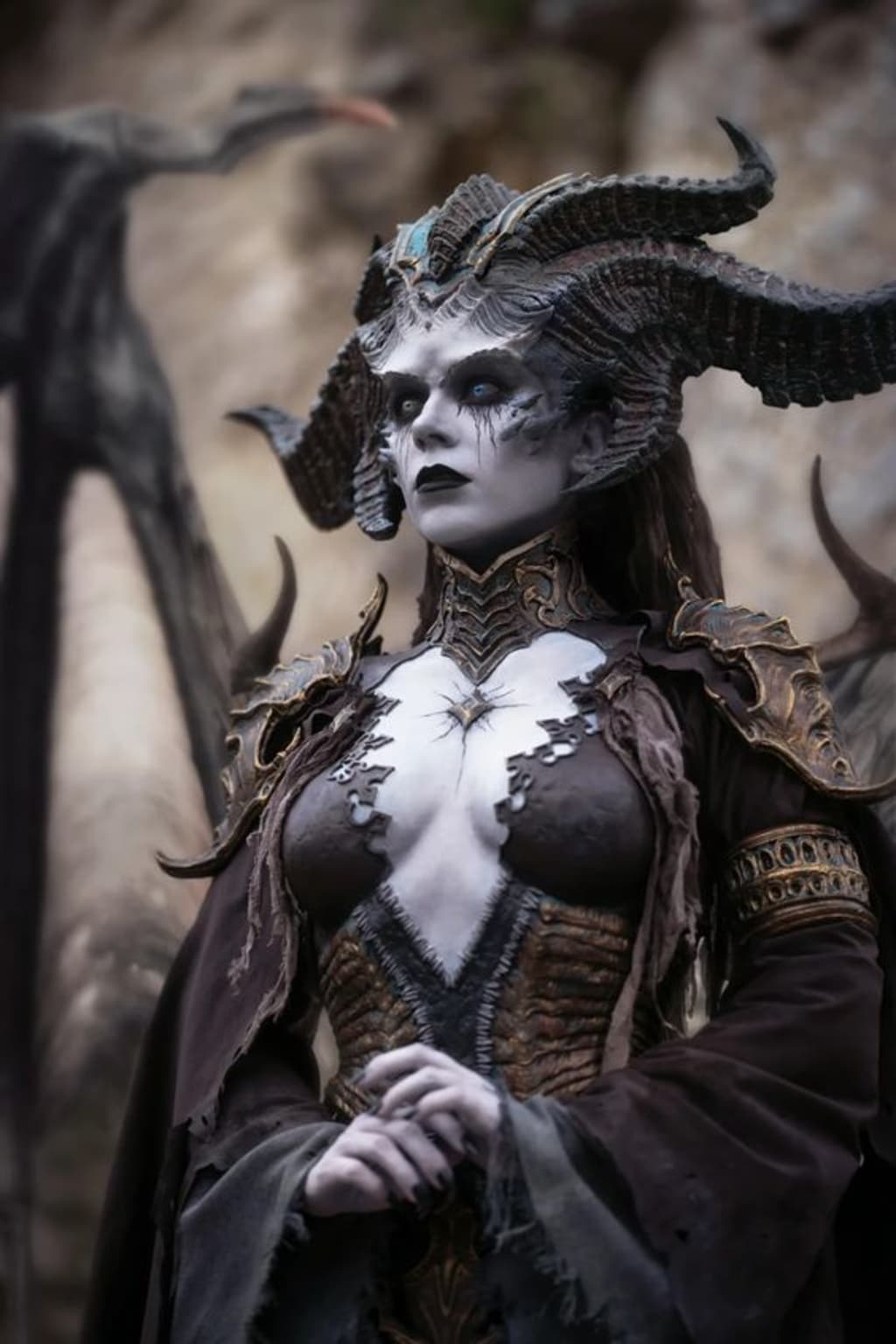
Lilith: Unraveling the Enigma of the First Rebel
In the tapestry of mythology, certain figures emerge as enigmatic symbols that transcend time, leaving an indelible mark on cultural narratives across civilizations. Among these figures, the character of Lilith stands out as a mysterious and captivating entity. From her origins in ancient Mesopotamia to her varied depictions in religious texts, folklore, and modern interpretations, Lilith's story weaves together themes of rebellion, femininity, and empowerment, making her an enduring symbol of intrigue.
Ancient Roots and Myths:
The origins of Lilith's character can be traced back to the ancient myths of Mesopotamia. In Babylonian texts, she was known as "Lilitu," a demon associated with the night, fertility, and sexual desires. Lilitu was believed to be a harbinger of disease and death, lurking in the shadows to bring harm to newborns and pregnant women. This portrayal of Lilith as a seductive and dangerous figure laid the foundation for her complex identity.
However, Lilith's transformation into a key figure in the Judeo-Christian tradition occurs in Hebrew texts. In Jewish folklore, she was depicted as the first wife of Adam, created from the same clay as him and therefore his equal. Yet the relationship soured as Lilith refused to submit to Adam's dominance, ultimately leading to her expulsion from Eden. This narrative established Lilith as a symbol of disobedience and rebellion, challenging established power dynamics.
Cultural Significance and Interpretations:
Lilith's influence extended beyond her mythic origins, weaving her presence into various cultural contexts. In Jewish tradition, she became a cautionary tale, embodying the dangers of unrestrained female sexuality and autonomy. The concept of Lilith was invoked to explain nocturnal emissions and protect against malevolent spirits during childbirth. This representation perpetuated the fear of powerful, independent women who refused to conform to societal norms.
Islamic tradition also embraced elements of Lilith's archetype. She found resonance in the world of jinn, supernatural beings often associated with mystery and danger. Lilith's alluring yet dangerous nature found parallels with the allure and capriciousness attributed to jinn in Islamic lore.
Lilith in Literature and Art:
The enigmatic allure of Lilith has fascinated countless writers, artists, and creators across the centuries. In literature, John Milton's "Paradise Lost" depicted her as a seductive temptress, while other works introduced nuanced variations of her character. Dante Gabriel Rossetti's painting "Lady Lilith" in the 19th century portrayed her as a captivating yet distant femme fatale, highlighting her beauty and otherworldly nature.
In modern times, Lilith's image has evolved to suit the spirit of the age. She has emerged in comics, novels, and television series, often representing themes of empowerment, resistance, and feminism. These contemporary interpretations transform Lilith into a symbol of liberation and the rejection of patriarchal norms.
Lilith and Feminism:
One of the most captivating aspects of Lilith's character is her resonance with feminist interpretations. Her defiance against established norms and refusal to be subservient align with the struggle for gender equality. Lilith becomes an icon of female autonomy, challenging traditional expectations and pushing boundaries.
Feminist readings of Lilith's story underscore the narrative of women asserting their agency and identity. The first woman's rebellion against an unjust power dynamic echoes the fight for women's rights throughout history. She embodies the spirit of those who have refused to conform and have challenged societal constraints to claim their rightful place.
Conclusion:
Lilith's enigma continues to cast its spell over the human imagination. From ancient Babylon to modern feminist discourse, her character has journeyed through diverse cultures, morphing and adapting to reflect the evolving perceptions of femininity, rebellion, and power. Whether seen as a demon of the night, the first rebel, or a symbol of empowerment, Lilith stands as a timeless figure, reminding us of the eternal struggle for autonomy and the enduring power of those who refuse to be confined by convention.
About the Creator
Avatar
Legend lover
Author of Legends of the Past and Present The Skies and The Earth Testify
A dive into the world of mystery and imagination


Comments
There are no comments for this story
Be the first to respond and start the conversation.