
Jinns: Ethereal Beings of the Middle Eastern Tradition
Jinns
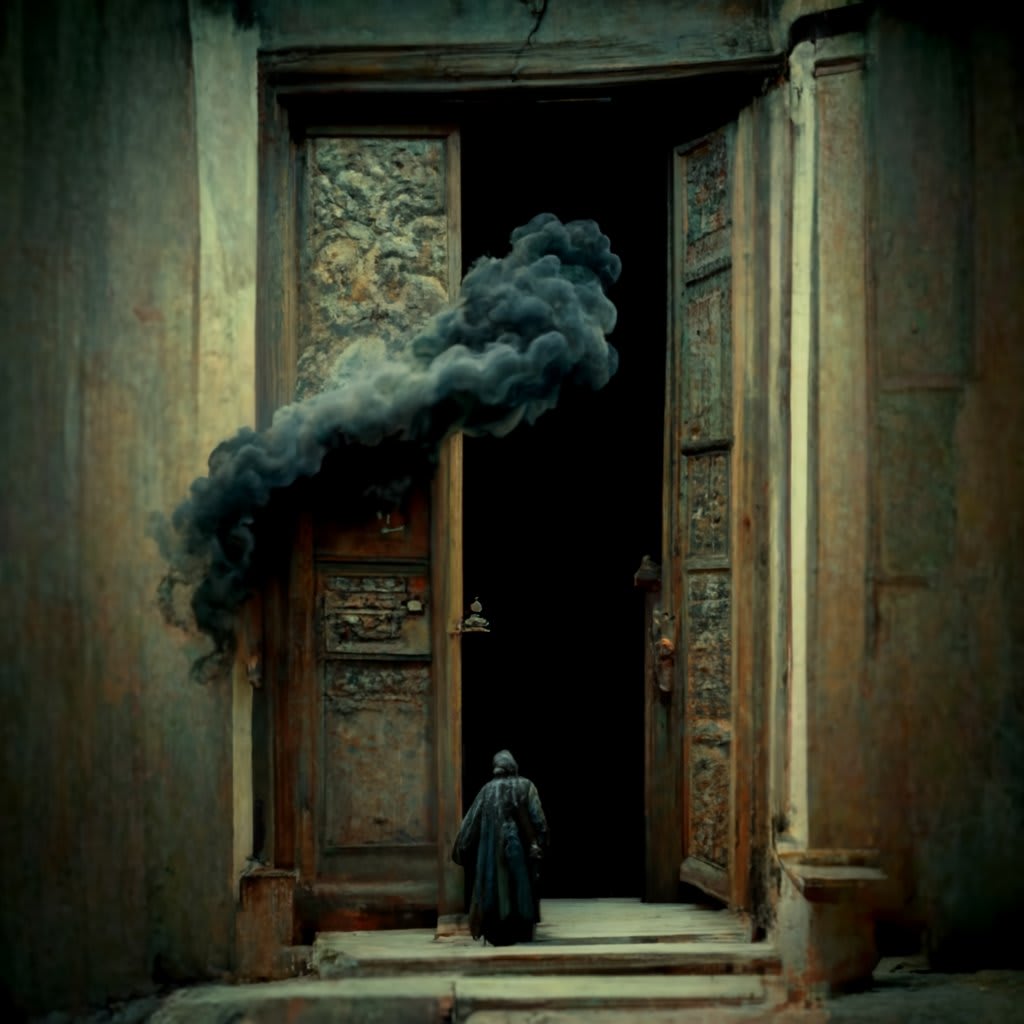
Origin and Nature:
In Islamic mythology, jinns are believed to be created from smokeless fire. Unlike angels, jinns possess free will and exist in a realm parallel to our own. They can be good, evil, or neutral, with diverse powers and abilities.
1. Nature:
Jinns are believed to be beings created by Allah (God) from smokeless fire. They exist in a realm parallel to humans and angels and possess free will. Like humans, jinns are diverse in nature, and they can be good, evil, or neutral.
2. Abilities:
Jinns are considered powerful and possess various supernatural abilities. They can be invisible or shape-shift into different forms, including animals and humans. Some are believed to have the ability to possess individuals or influence their thoughts and actions.
3. Classification :
Like humans, jinns are believed to be diverse in their beliefs and actions. They can be categorized as believers (Muslims), non-believers, or those with varying degrees of piety. The Quran mentions that jinns, like humans, are accountable for their deeds on the Day of Judgment.
4. Legends and Folklore :
Stories involving jinns are prevalent in Middle Eastern folklore and Arabian Nights tales. In these stories, genies are often depicted as magical beings living in lamps or bottles, capable of granting wishes to those who release them.
5. Islamic References:
The Quran, the holy book of Islam, mentions jinns in several verses. For example, Surah Al-Jinn (Chapter 72) is dedicated to discussing the nature of jinns and their interaction with the message of Islam. It emphasizes that jinns, like humans, have the capacity for belief or disbelief.
6. Role in Islamic Tradition :
In Islamic tradition, jinns are considered part of the unseen world, and belief in their existence is an essential aspect of Islamic faith. Islamic teachings emphasize seeking protection from the harm of jinns through specific prayers and practices.
7.Cultural Impact :
The concept of jinns has permeated various aspects of Middle Eastern and Islamic culture. It is often reflected in literature, art, and popular culture. The portrayal of jinns in Western media, especially in the context of the genie from Aladdin's lamp, has further contributed to their cultural significance.
Shapeshifting and Invisibility:
Jinns are renowned for their shape-shifting abilities, allowing them to take various forms, including animals or humans. Their elusive nature is enhanced by the power of invisibility, making them both mysterious and unpredictable.
Cultural Influence:
Jinn stories are deeply rooted in Middle Eastern culture and have influenced literature, art, and storytelling throughout the centuries. From classic Arabian Nights tales to contemporary works, jinns continue to play a significant role in shaping cultural narratives.
Goblins: Mischievous Creatures in Western Folklore
Cunning Tricksters:
In Western folklore, goblins are often portrayed as mischievous and malevolent creatures. They are known for playing tricks on humans, causing chaos, and sometimes even stealing away with unsuspecting children.
Guardians of the Earth:
In some traditions, goblins are considered guardians of the earth, protecting natural spaces, and punishing those who harm the environment. This dual nature showcases the complexity of their character in different cultural contexts.
Literary Presence:
Goblins have made their mark in literature, from European folktales to fantasy novels. Their presence in works like J.R.R. Tolkien's "The Hobbit" and the folklore-inspired tales of the Brothers Grimm continues to fuel the fascination with these supernatural entities.
Cross-cultural Connections:
While jinns and goblins emerge from distinct cultural traditions, it's interesting to note the shared themes that bind them. Both entities embody the liminality between the seen and unseen worlds, existing on the periphery of human understanding. Whether they are the shape-shifting jinns or the mischievous goblins, these beings serve as vessels for cultural values, fears, and the enduring human fascination with the supernatural.
Conclusion:
Jinns and goblins, though rooted in different cultural traditions, share a common thread of mystery and wonder. As we explore the rich tapestry of global folklore, these entities serve as windows into the collective imagination of humanity, transcending geographical boundaries to captivate and enchant across cultures and generations.
About the Creator
abderrahim ouffa
From ancient civilizations to modern revolutions, Timeless Echoes brings forth the rich tapestry of human history.
https://legaciesv.blogspot.com
Keep reading
More stories from writers in Fiction and other communities.
The Devil's Triangle
The sails ruffled in the breeze as we cruised along. The Sea Breeze was a mid-size catamaran that sailed out of Royal Naval Dockyard in Bermuda. We had booked this trip weeks in advance and were now looking at our Captain, Spike and two boat hands. Paddy and Wilson seemed like nice guys, joking around with the passengers and telling us some stories about Bermuda that only locals would know. Their island accents sounded almost British but they were pleasant to listen to.
By Barbara Gode Wiles3 days ago in Fiction


Comments
There are no comments for this story
Be the first to respond and start the conversation.