
Corvinia - Iseldir
Fabulis Animantium - Nationes et Populi


Continuing my journeys North, I the terrain quickly turned more hilly and rough, though still beautiful. It seemed that all the time one was either travelling up or down but rarely ever straight on. Villages rather than towns seem to dot the surrounding area, always agricultural in nature, though it seemed strange to me that often one found grains and wheat fenced off and yet cattle would roam free, almost it seemed, abandoned. At my first enquiries I was assured that this was not the case. The cattle were marked by the owner so as to be identified and so could not be easily stolen. As for the fenced off areas, it seemed that ownership was taken most seriously among these people, trespass being one of the most rude affronts one man could afford another.
It seems that like their cousins to the South, the political leadership is monarchical in nature. Kings rule over major cities and the surrounding countryside which provide food, while the cities produce materials for trade with surrounding kingdoms and other nations.
The first city I encountered was the city of Avonar, ruled by a certain king Leofric. It seemed that there was hostility between this particular kingdom and the Koraki of the South that threatened to soon erupt into war. I pray I am long gone when it does, for both peoples seem fierce, a fierceness only matched by the hatred they have for each other. The Iseldir seem to resent the Koraki as traitors for surrendering to the Dryadalis Imperialis (or Morean Empire) in the past and this has only intensified as the ambitions of the newly crowned King Athos and his two brothers Rickard and Gabriellos grow more apparent.
However, the city itself seems to be a trade hub for the whole island, settled as it is on the River Avon that runs nearly the whole length of the island, lending its name to the city, which means in the tongue of the Atlani "River of Gold". A mighty bridge that spans the two halves of the city on either side of the river is the most unique feature, but that is closely followed by the manor that resides on the top of a rise in the left bank of the River Avon. Shaped much like a ship and made of wood, the locals here claim that the ship was the flagship of the city's founders Gedric and Cenwulf, sons of Bran who was the first human to come to the island. Of most fascination to myself though was the Hall of the Kings, where the histories of the Iseldir are retained in great detail. This I will go into in greater detail in a later chapter, however, for now I shall continue with my analysis of the Iseldir as a culture today.
The religion of the Iseldir is rather unique in my experience. They embrace neither the Salvatori which was common among early humans that made up the First Human Empire of Toutheos, nor do they subscribe to the beliefs of the Dryads, but rather their religion seems similar to that of the other minor races born of the Elfennol that I have mentioned in other parts of this history. This no doubt is of significance and I do plan to get to the bottom of the full nature of this people as soon as I may, the delicate political situation of the island permitting of course. The pantheon is as follows
Aryan: God of wealth, revered by merchants and traders. Temples dedicated to Aryan are often located near marketplaces and trading hubs.
Cadfael: God of war, worshipped by warriors and strategists. Shrines to Cadfael are found in barracks and training grounds.
Emyr: God of leadership and rulers, honored by kings and chiefs. Statues and temples dedicated to Emyr are prominent in city centers and royal courts.
Ildryth: Goddess of magic and secrets, revered by magicians and those seeking hidden knowledge. Hidden sanctuaries and secluded groves serve as her places of worship.
Sigyl: Goddess of crafts and skills, honored by artisans and craftsmen. Workshops and guild halls often include altars to Sigyl.
The priestesses of the Iseldir pantheon hold significant religious and political influence, often serving as advisors to kings and chiefs. It is similr situation to that of the Magos Pyros in Gaerwen, though even less direct. Many noble families send their children to study under these priestesses, seeking their wisdom and blessings. However, once dedicated to them it is not permitted for them to leave. It is a lifelong service to the gods.
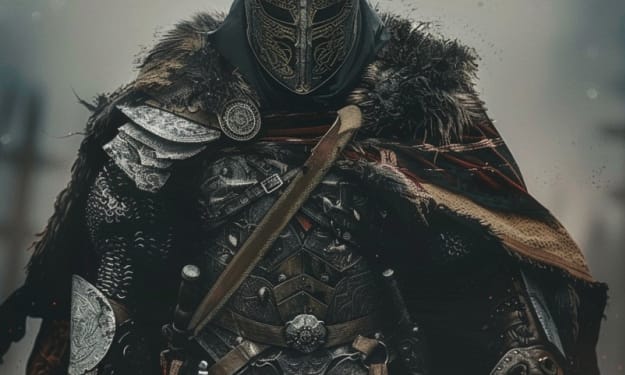
Moving on to the final topic I wish to discuss here. The military forces of the Iseldir tribes are organized around large bodies of infantry that fight in shield wall formations. These are recruited from the local towns and farms from people who have placed themselves in "fyrd" with the king in return for land or money grants. Levies can also be raised though this is rarely done. Two shield walls push against the other until chinks or weaknesses appear. Once they do, the wall is shattered and the enemy put to flight. These formations provide strong defensive capabilities and are effective in close combat.
To supplement this mostly infantry based army The Iseldir also field light chariots, manned by elite warriors known for their skill in single combat. These charioteers use their mobility to move quickly across the battlefield, dismounting to fight and then remounting to retreat. This tactic allows them to serve as fast-moving heavy infantry, providing flexibility and shock value in battles.
I will continue my exploration of this people as I feel there is much more to discover than I have yet found. However, I will soon need to move further North to the Guiltion. I must confess, the more I hear of them, the more I fear the trip. But my duty to the Alumni Mundi demands I press forward.
Excerpt from Fabulis Animantium by Favonius Justinianus.
About the Creator
Tomos Jackson
Stories have always been a source of inspiration. I aim to reproduce that in my own writing. Developing ideas of one's potential by reading it in the lives of others can be a powerful force to encourage bettering ourselves in the real world
Keep reading
More stories from Tomos Jackson and writers in Fiction and other communities.
Corvinia - Koraki
The Island kingdoms of Corvinia are places of great wonder. After overcomes the initial trepidation that the island presents upon first siting its shores, its strange beauty strikes you. The early morning mists that rise from the grassy hills and fields, blanket all that is in view. Suddenly, as though a torch was touched to oil, the mist will seem to burst into golden light at the first touch of the suns rays, lending the island an air of mystery and strange beauty.
By Tomos Jacksonabout a year ago in Fiction
The Path to Salvation
The late autumn evening air filled the monk's lungs, but it wasn't the season that chilled his bones. The heavy-handed presence of evil he had sensed upon entering the woods surrounding this mountain village had not bothered to conceal itself from him.
By Made in DNAa day ago in Fiction
Autonomy Is The Real Privilege
Good morning, freedom-seekers! Today we’re gonna be looking at autonomy. A strange word, I know; one many would probably look at blankly and run away from on sight. We’re gonna figure out what it actually means, consider how it’s achieved, and decipher just how deeply most of us are tangled up in dependence without realising it.
By That ‘Freedom’ Guy3 days ago in Humans



Comments
There are no comments for this story
Be the first to respond and start the conversation.