
Corvinia - Koraki
Fabulis Animantium - Nationes et Populi

The Island kingdoms of Corvinia are places of great wonder. After overcomes the initial trepidation that the island presents upon first siting its shores, its strange beauty strikes you. The early morning mists that rise from the grassy hills and fields, blanket all that is in view. Suddenly, as though a torch was touched to oil, the mist will seem to burst into golden light at the first touch of the suns rays, lending the island an air of mystery and strange beauty.

The small island is divided among three cultures, The Koraki, the Iseldir and the Guiltion. The first of which I encountered immediately upon arrival. These Koraki were the people of the island that found themselves occupied by the invading Dryads in the rise of the Imperialis Dryadalis. So it is that they have taken most readily to the culture and ways of their overlords. Thus it is that in their primary city of Gaerwen, their way of building and life is familiar to our own in the South in the Pleiades. The work is impressive, though noticeably more rustic, with far more timber used in construction than stone or marble, which seems to be in shorter supply on this island. The style however, was similar enough to be recognized by a citizen of the Republic.
Their political system seems to consist of a king, a council of five barons, called the Syngor, and their knights, who pledge to their service to their respective barons or directly to the king. Below them are the craftsmen and freedmen who form the base of society.
Such a system would hardly be something that a citizen of the Republic would have any objection to, though perhaps not wish for himself. One matter of contention the Republic might have, should they come in diplomatic contact with this people, would be the presence of the parallel and unofficial branch of the political apparatus. The Pyrgos Magos is the tower of magicians that are made up of those Dryads who remained behind after the Empire's withdrawal from the region. Them and their offspring that retain magical abilities form the religious and scholarly branch of society, as well as guardians of the culture. They serve officially as priestesses in what seems to be a closely related form of pagan worship as practiced by the Dryads in Morea. For those of my readers who are unfamiliar with these deities I shall list them briefly:

Athana: Goddess of magic, revered for her wisdom and mastery of the arcane arts.
Aremos: God of war, worshipped by soldiers and strategists.
Technitis: God of knowledge and invention, patron of inventors, scientists, and philosophers.
Iadour: God of nature, worshipped by farmers, hunters, and those who live close to the land.
Custodia: Goddess of protection and civilization, revered by rulers and city planners.
This given that the Pyrgos Magos has such broad responsibilities, their power likewise is immense, and the religious nature of their role gives them a form of autonomy from the state similar to the Church of the Salvatori here in the Pleiades. The current ruler of the island seems to be married with the high priestess, and abomination to us, though it seems normal practice to the Koraki. This seems to be a common occurrence to keep both the political and religious entities united to rule the kingdom. Aside from this marriage alliance however the Mages and the King are separate and the king must woo rather than command their obedience.
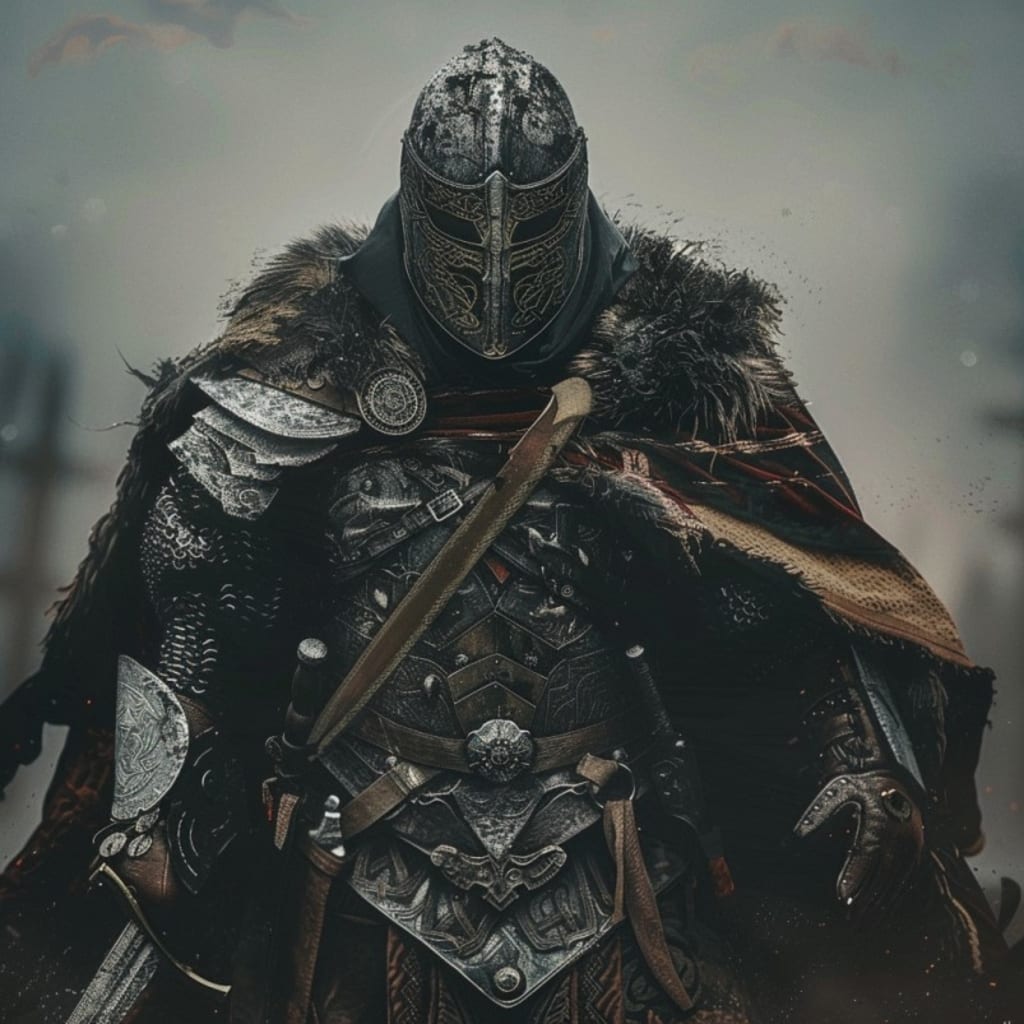
As for the military makeup of this kingdom, it seems to be a simple matter. A levy of the plebians can be summoned in times of war, which shall be equipped according to the means of their lord, with bows, spears and other such weaponry, sorely lacking in quality in comparison to the mighty legionary infantry that stand firm and disciplined in the service of the Republic, but nonetheless they are brave and eager in their duty by all accounts. The knights form the backbone of the military arm of this force. Their ways and ideals are worth a chapter of their own, but for now their military place is enough. Whether they fight on horseback or on foot they are fierce and powerfully armed with great swords or axes grasped in two hands, or powerful lances. Furthermore, their armour is near impervious to missile or melee weapons. A Koraki knight is 3 times the worth of a legionary, but they lack the coordination in large groups where the legions of the Republic excel far beyond what this people can field. These forces are supplemented at times by the mages of the Pyrgos Magos, though it is at their own discretion, and the king cannot command their fealty in this matter.
Overall the Koraki people offer a fascinating insight into Dryad imperial influence on the outer edges of civilization while also leaving much to see about the original way of life enjoyed by the people prior to the fall of the First Empire.
In future installments I shall explore further North to uncover the natures of their cousins in the Iseldir and even to the Guiltion. I shall dispatch my notes to the Republic with each stop, lest I be killed and so much knowledge and work go forgotten. For the people say that there is much to fear as one travels North, particularly when encountering the Guiltion, of whom I have heard many a terrifying tale.
All that in its own good time though.
Excerpt from "Fabulis Animantium", by Favonius Justinianus.
About the Creator
Tomos Jackson
Stories have always been a source of inspiration. I aim to reproduce that in my own writing. Developing ideas of one's potential by reading it in the lives of others can be a powerful force to encourage bettering ourselves in the real world
Keep reading
More stories from Tomos Jackson and writers in Fiction and other communities.
Rally to War
Aldmar leaps up gaily upon the walls as though without a care and looks upon the hordes of Demons at the gates "Haha, Hark you brave soldiers, hark to our enemies cries. Their brays and howls, the gnashing of their teeth and the clatter of weapons. Think you that they believe this clamour affects warriors such as ourselves? Fools they are, to think hardened men are brought to fear by such violent noise. Naught but beasts are they. Beasts borne of savage lands and ill born bastards from a jealous frightened child. Ha."
By Tomos Jacksonabout a year ago in Fiction
Affection and Healing for Yourself
During the night of the last quarter moon, I gathered my ritual supplies. I carefully handled the chunk of black tourmaline that would protect me from your overall negative and narcissistic energy. I carefully walked the house with my stick of selenite in hand, asking the universe to cleanse our working space.
By Alisha Wilkins ✒️🦋🖋️4 days ago in Fiction


Comments
There are no comments for this story
Be the first to respond and start the conversation.