
Are we living in alien simulation ?
Matrix construct

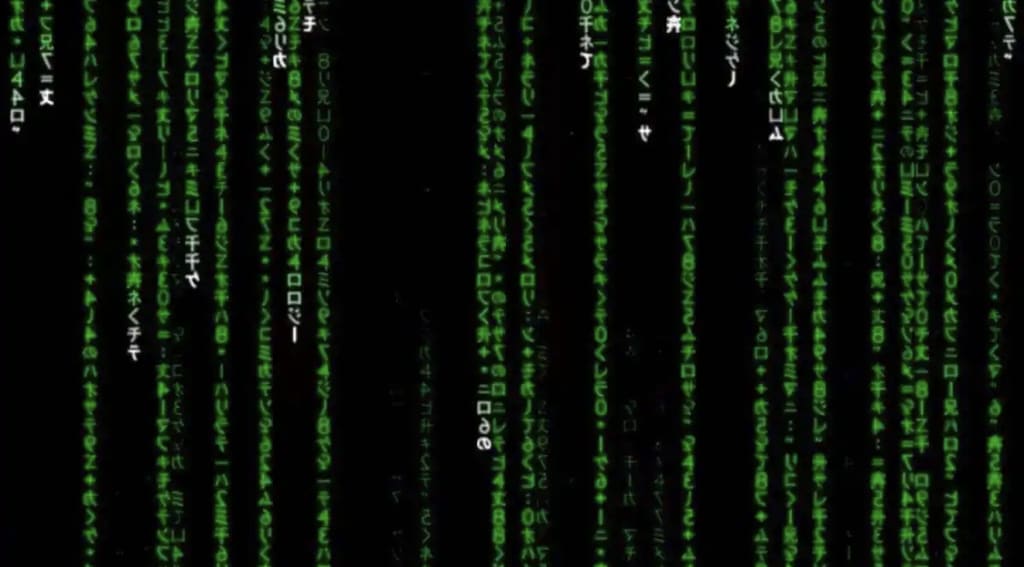
For centuries, philosophers and scientists have pondered over the nature of reality and our place in the universe. One of the more recent ideas that has gained traction in popular culture is the possibility that we are living in a simulation. The basic premise of this idea is that our reality is a digital construct, created by an advanced civilization, and we are all just characters in their simulation. While this idea may seem far-fetched, some experts believe that there is evidence to support it.
The Simulation Hypothesis
The simulation hypothesis is the idea that the universe and everything in it, including ourselves, is a computer simulation created by a more advanced civilization. This idea was first popularized by philosopher Nick Bostrom in his paper "Are You Living in a Computer Simulation?" In it, he argues that if it is possible for a civilization to create a simulation that is indistinguishable from reality, then it is likely that they have already done so. Therefore, the chances that we are living in a simulation are high.
Supporting Evidence
While the idea of living in a simulation may sound like science fiction, some experts believe that there is evidence to support it. One argument is that our universe appears to be finely tuned for life. The physical constants of the universe, such as the strength of gravity and the speed of light, seem to be precisely set to allow for the emergence of life. This could be explained by the fact that the creators of our simulation intentionally set these parameters to allow for life to flourish.
Another argument is that our reality appears to be digital in nature. At the smallest level of reality, the universe appears to be made up of discrete units of energy and matter. This is similar to the way that digital information is stored in bits and bytes. This could be evidence that our reality is a digital construct.
While there is no conclusive evidence that proves we are living in a simulation, there are some intriguing examples and arguments that suggest this could be a possibility. Here are a few examples:
The Simulation Argument: Philosopher Nick Bostrom has argued that if a civilization becomes advanced enough to create simulations of their own reality, it is likely that they would create many such simulations. If this is the case, then the chances that we are living in a simulation are higher than the chances that we are living in a base reality.
Fine-Tuning of Physical Constants: Some physicists have noted that the physical constants of the universe are finely tuned to allow for the emergence of life. This could suggest that the creators of the simulation intentionally set these parameters to allow for life to flourish.
Digital Nature of Reality: At the smallest level of reality, the universe appears to be made up of discrete units of energy and matter. This is similar to the way that digital information is stored in bits and bytes. This could be evidence that our reality is a digital construct.
Strange Phenomena in Quantum Physics: The double-slit experiment in quantum physics shows that particles can exist in multiple states at once until they are observed. This is similar to the way that a video game character only comes into existence when the player observes them. This could suggest that our reality is only generated when it is observed.
Limits to our Perception: Our brains and senses are limited in their ability to perceive reality. For example, we cannot see certain wavelengths of light or hear certain frequencies of sound. If our reality is a simulation, then it is possible that the creators have limited our perception intentionally to maintain the illusion of reality.
It is important to note that while these examples are intriguing, they do not provide definitive proof that we are living in a simulation. They are simply arguments and ideas that suggest this could be a possibility.
Finally, there are some strange phenomena in our universe that could be explained by the simulation hypothesis. For example, the double-slit experiment in quantum physics shows that particles can exist in multiple states at once until they are observed. This is similar to the way that a video game character only comes into existence when the player observes them.
What Does It All Mean?
If we are living in a simulation, it raises some interesting questions about the nature of reality and our place in the universe. If our reality is a construct, then what is beyond the simulation? Are the creators of the simulation themselves living in a simulation? And if our lives are predetermined by the simulation, then do we have free will?
While these questions may never be answered definitively, the idea that we are living in a simulation is a fascinating one. It challenges our perceptions of reality and raises important philosophical questions about the nature of existence. Whether or not we are living in a simulation, one thing is certain: our reality is a mysterious and wondrous place, and there is still so much we have yet to discover.
About the Creator
Keep reading
More stories from Muthu Krishnan and writers in Fiction and other communities.
Finding Your Path After Job Loss: Tips for Moving Forward and Staying Motivated
I. Introduction Losing a job can be a devastating experience, leaving you feeling lost, uncertain, and unmotivated. It can be difficult to know where to turn and how to pick yourself up and move forward. However, it's important to remember that job loss is a common experience, and it can also be an opportunity to find a new path, one that aligns with your values and goals. In this blog, we will provide tips and tricks for finding your path after job loss and staying motivated as you navigate this challenging time. We'll discuss strategies for self-reflection, developing a positive mindset, and taking practical steps to find a new job or explore new career opportunities. So, if you're feeling overwhelmed and uncertain, take heart and read on. You've got this, and we're here to help.
By Muthu Krishnan3 years ago in Motivation
A Love Forboding
The chipped stone slope caused unbearable footing. I slid, skirting on my heels. I cast my shield, relinquishing my guard to stay upright. Left with my double-edge and a prayer to the maker, I skated toward my objective. The earthly stubble gave way to solid ground. I found myself restored, a trail of dust in my wake.
By James U. Rizzi3 days ago in Fiction


Comments
There are no comments for this story
Be the first to respond and start the conversation.