
Anime and Reality
How anime is good or bad for ourselves. How real world is different from anime.


Anime, a unique form of animated entertainment originating from Japan, has captivated audiences worldwide with its distinctive art style, compelling storytelling, and diverse themes. With its increasing popularity, discussions surrounding the impact of anime on our perception of reality have emerged. This article delves into the intriguing relationship between anime and reality, presenting perspectives both in favor and opposition of this captivating medium. Additionally, we will explore how the anime world differs from our own reality, highlighting the disparities that exist between these two realms.
Perspectives in Favor of Anime:
Imagination Unleashed:
Anime has the ability to transport viewers into imaginative worlds that transcend the limitations of reality. Through vivid visuals, fantastical landscapes, and intricate narratives, anime offers a gateway to escapism and allows individuals to explore boundless creativity. It provides a medium through which viewers can immerse themselves in alternate realities, challenging their perceptions and broadening their horizons.
Emotional Depth and Character Development:
One of anime's strengths lies in its ability to depict complex emotions and multifaceted characters. Anime often delves into deep emotional journeys, portraying characters grappling with personal struggles, love, loss, and self-discovery. These portrayals allow viewers to connect with the characters on a profound level, fostering empathy and encouraging introspection. Anime's emphasis on character development enables audiences to relate to the experiences depicted and draw valuable lessons applicable to their own lives.
Social Commentary and Cultural Exploration:
Anime is not confined to entertainment alone; it frequently serves as a platform for social commentary and cultural exploration. Many anime series tackle relevant societal issues such as discrimination, identity, environmental concerns, and political unrest. Through these narratives, anime prompts viewers to critically examine real-world challenges and sparks conversations about social change. Additionally, anime offers a window into Japanese culture, traditions, and perspectives, fostering cross-cultural understanding and appreciation.
Perspectives in Opposition to Anime:
Unrealistic Portrayals:
Critics argue that anime's exaggerated art style and narratives create unrealistic expectations and distortions of reality. The idealized character designs, superhuman abilities, and exaggerated physics often found in anime can lead to a disconnection from the real world. This dissonance may result in individuals grappling with an unattainable standard of beauty, physical prowess, or unrealistic expectations of relationships and social dynamics.
Escapism and Disengagement:
Detractors contend that excessive immersion in anime can lead to escapism, wherein individuals become disconnected from real-life responsibilities and social interactions. Overindulgence in the fantasy worlds presented in anime may hinder personal growth and prevent individuals from facing real-world challenges. Critics argue that striking a balance between entertainment and reality is crucial for a healthy and fulfilling life.
Cultural Misunderstandings and Stereotypes:
While anime provides glimpses into Japanese culture, it can also perpetuate stereotypes and misrepresentations. Some argue that certain anime tropes, such as hypersexualized or caricatured characters, can reinforce harmful stereotypes and misconceptions about Japanese society. It is important for viewers to approach anime with a critical mindset and seek additional sources to gain a more nuanced understanding of the culture it portrays.
Differences between Anime and Reality:
Visual Aesthetics:
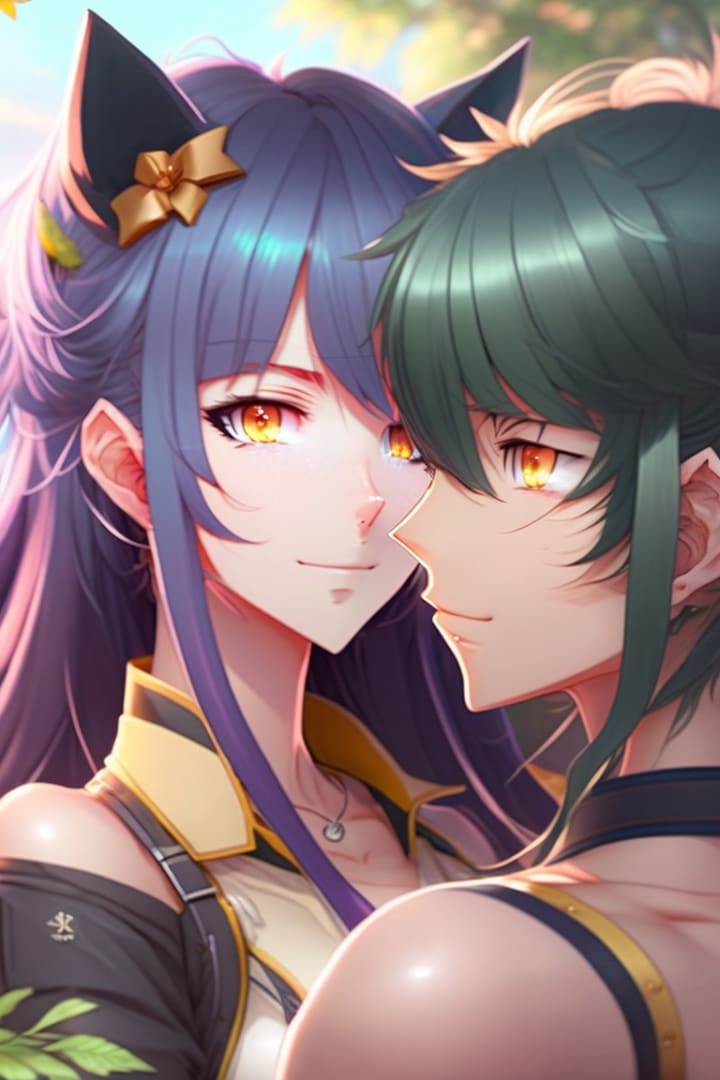
Anime often features vibrant and stylized visuals, with characters exhibiting large eyes, colorful hair, and exaggerated facial expressions. In contrast, reality presents a more diverse range of appearances and expressions, highlighting the uniqueness of individuals and the subtleties of human emotion.
Physical Laws and Abilities:
Anime frequently defies the laws of physics, showcasing characters with extraordinary abilities and exaggerated feats. In reality, such superhuman powers do not exist, and individuals are bound by the limitations of the natural world.
Narrative Conventions:
Anime often employs dramatic storytelling techniques, with plotlines that intertwine fantasy, science fiction, and mythology. In contrast, reality follows a more unpredictable and often mundane course, devoid of the fantastical elements commonly found in anime narratives.
Conclusion:
Anime serves as a medium that both celebrates imagination and challenges our perceptions of reality. It offers viewers an opportunity to explore fantastical worlds, engage with deep emotions, and confront societal issues. However, it is important to maintain a critical perspective and understand that anime and reality are distinct entities. By appreciating the strengths of anime while acknowledging its limitations, we can strike a balance that allows us to draw inspiration from these captivating animated worlds while remaining grounded in the realities of our own lives.
About the Creator
Ammad Asim
Passionate writer with a unique style, skilled in storytelling, character and setting development. Dedicated to constant improvement, creating thought-provoking content that captivates readers. Fresh perspectives in fiction,non fiction.
Keep reading
More stories from Ammad Asim and writers in Fiction and other communities.
Un expected Extinction
The world was barren, empty of all life save for one species: humans. They had always been the dominant creatures, but now they were the only ones left. A man named John stood atop a hill overlooking the wasteland, watching as the sun set behind him. He couldn't believe that he was the only one left, and he was determined to find out why.
By Ammad Asim3 years ago in Fiction
So You Decided To Become a Nurse Practitioner:
So you decided to become an "Advanced Practice" nurse. Congratulations!... is what I would say if this was a good idea. Grad school? In this economy? What were you thinking? Likely it was something along the lines of either 1) “I've seen these other chucklefucks do it— Why can't I?” or even 2) “I've got a nice career, I should shake it up. I miss feeling like I have no clue what I'm doing.”
By Sandor Szabo5 days ago in Fiction


Comments
There are no comments for this story
Be the first to respond and start the conversation.