
A Village Cursed
The Chilling Enigma of Kuldhara, India

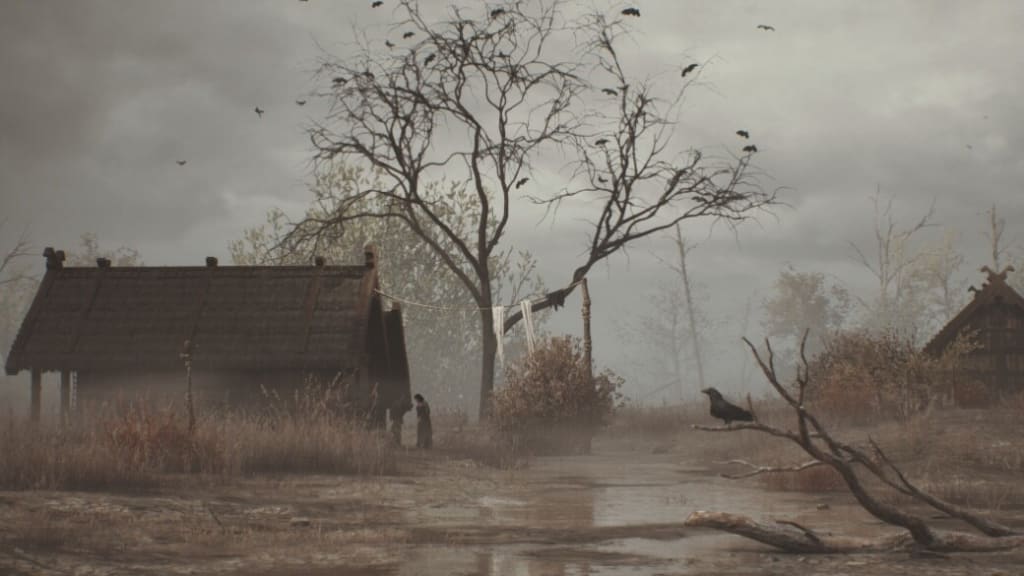
In the heart of the Thar Desert in the western state of Rajasthan, India, lies a village that has captivated the imagination of travelers, historians, and paranormal enthusiasts for centuries. Kuldhara, a name that echoes with mystery and dread, is often referred to as the "Ghost Village of Rajasthan." Its eerie, desolate streets and abandoned homes stand as a testament to a chilling enigma that continues to baffle researchers and lure adventure-seekers. The story of Kuldhara is a compelling blend of history, legend, and the supernatural, making it a unique and intriguing destination for those who dare to explore its haunting secrets.
Kuldhara's history dates back to the 13th century when it was established by the Paliwal Brahmins, a community known for their prowess in agriculture and trade. The village prospered for centuries, with its inhabitants enjoying a thriving, self-sustained way of life. However, in the early 19th century, an ominous cloud of darkness descended upon Kuldhara and its neighboring villages. The Paliwal Brahmins, who had inhabited this land for generations, suddenly vanished without a trace, leaving their homes and possessions behind.
The disappearance of an entire village raised numerous questions, and it was quickly followed by a series of eerie stories and legends. One of the most widely accepted theories suggests that the villagers of Kuldhara abandoned their homes to escape the tyranny of a local ruler named Salim Singh. According to legend, Singh had taken a liking to a young girl from Kuldhara and threatened to forcibly marry her. In their desperation, the villagers decided to leave their homes and cursed the land so that no one could ever settle there again. They supposedly invoked the supernatural forces to ensure that anyone who tried to reoccupy the village would meet with misfortune.
Whether this legend is rooted in fact or fiction remains a subject of debate. What is clear, however, is that the entire village of Kuldhara was deserted and abandoned, and its residents seemingly vanished without a trace. As the years passed, nature began to reclaim the land, and the village fell into a state of disrepair. Kuldhara became a ghost town, a desolate expanse of crumbling houses and overgrown vegetation, giving credence to the legend of the curse.
The supernatural element of the Kuldhara story adds another layer of intrigue to its enigma. Visitors to the village have reported strange occurrences, including ghostly apparitions, unexplained sounds, and an overwhelming feeling of unease. Some claim to have seen shadowy figures moving through the ruins, while others have heard disembodied voices or felt an invisible presence. It is said that the curse placed by the villagers still lingers, and those who visit Kuldhara are warned not to spend the night there.
Paranormal enthusiasts and ghost hunters from around the world have flocked to Kuldhara, hoping to capture evidence of the supernatural. While skeptics may dismiss these accounts as products of overactive imaginations, there is no denying the palpable sense of eeriness that permeates the village. The eerie silence, broken only by the whispers of the wind and the creaking of decaying structures, creates an atmosphere that is difficult to ignore.
The mystery of Kuldhara's abandonment has also piqued the interest of historians and archaeologists. While the legend of Salim Singh's tyranny and the curse is a prominent aspect of the story, some researchers have delved deeper into the historical context. It is suggested that environmental factors, such as a lack of water sources, may have contributed to the villagers' decision to leave. Additionally, the region's political and economic dynamics during that time could have played a role in the mass exodus. Research efforts are ongoing, and while answers remain elusive, the quest to unravel the truth continues.
Kuldhara's enigma goes beyond its history and legends. The village's architectural and urban design elements are a testament to the advanced planning and engineering skills of its former inhabitants. The layout of the village is a marvel of town planning, with interconnected houses, narrow alleys, and a sophisticated drainage system. The streets are designed to provide shade and ventilation, and the buildings are constructed with a special type of mud brick that is both resilient and environmentally sustainable. Kuldhara's unique urban design has sparked the interest of architects and urban planners, who visit the village to study and appreciate this remarkable historical site.
In recent years, there have been efforts to preserve and protect Kuldhara as a historical and cultural heritage site. The Archaeological Survey of India has taken measures to prevent further deterioration of the structures, and signs have been placed to educate visitors about the history and significance of the village. While tourism has increased, it has also raised concerns about the impact on the village's delicate ecosystem and the integrity of the site's historical artifacts.
Kuldhara's haunting beauty has also caught the attention of filmmakers and artists. Its desolate landscape, crumbling structures, and mysterious aura have served as a backdrop for numerous films and documentaries. The village's eerie charm has become an inspiration for writers, photographers, and painters, who aim to capture its timeless essence and convey the sense of foreboding that clings to the place.
As one walks through the abandoned streets of Kuldhara, it's impossible not to be enveloped by a sense of melancholy and awe. The desolation and decay tell a story of abandonment, mystery, and an enduring curse that hangs over the land. The tales of the past, both historical and supernatural, merge to create an atmosphere that is both chilling and captivating.
About the Creator
Keep reading
More stories from Mirza Mirza and writers in Fiction and other communities.
Mystery and Malevolence
Nestled in the heart of the picturesque English county of Kent lies the tranquil village of Pluckley, a place that, at first glance, seems like the epitome of rural serenity. However, Pluckley has a much darker and more sinister side, a history replete with tales of mystery and malevolence that have earned it the dubious distinction of being one of the most haunted villages in England. From ghostly apparitions to macabre legends, Pluckley's eerie past has left an indelible mark on the village, attracting countless paranormal enthusiasts and curious tourists. In this exploration of Pluckley's terrifying history, we delve into the chilling stories that have made it a hotbed of paranormal activity.
By Mirza Mirza2 years ago in Fiction
🅼🅸🅳🅽🅸🅶🅷🆃 🆂🅽🅰🅲🅺🆂
"It's 10 in Tuscon! We all know what that means... It's Time for Midnight Snacks with your man, Gerald Gee! Ready to spend the night together? Me too! I'm full of snacks and can't wait to regurgitate them all back into your hungry ears. Crack a brew! Pop some corn! Anything to get ready for one hell of a show where the talk maybe cheap but the words cut deep...
By Lamar Wiggins7 days ago in Fiction


Comments