
When Choosing a Pizza Box, You Can Consider These Key Factors
When Choosing a Pizza Box

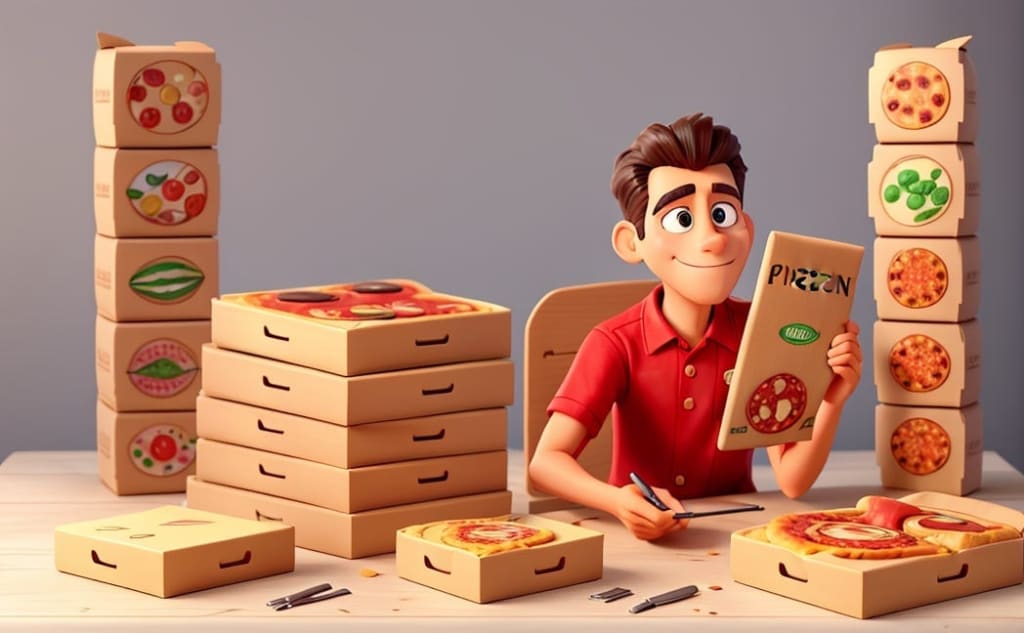
Choosing the right pizza box might seem straightforward, but it involves several critical considerations that can significantly impact the quality and experience of your pizza delivery. From preserving the temperature to maintaining the pizza’s structural integrity, the pizza box plays a vital role. Here’s a detailed guide to help you select the ideal pizza box, focusing on key factors that ensure your pizza remains fresh and delicious.
The Importance of Choosing the Right Pizza Box
A pizza box might seem like just a container, but its design and features can affect everything from the pizza’s temperature to its presentation. The right box helps maintain the pizza’s quality during delivery, making it a crucial part of the overall dining experience. Understanding the factors involved in choosing a pizza box will help you make a more informed decision and provide your customers with a better product.
Size Matters: Ensuring a Perfect Fit
One of the first things to consider when choosing a pizza box is size. The box should be appropriately sized to fit the pizza snugly without excess space or tightness. An ill-fitting box can lead to several issues, such as:
Pizza Movement: If the box is too large, the pizza can slide around, causing the toppings to shift and potentially creating a mess.
Crust Quality: A box that is too small can compress the pizza, affecting the texture of the crust and making it less enjoyable to eat.
For optimal results, refer to our pizza box sizes & dimensions guide. This guide provides detailed information on standard sizes and dimensions to help you choose the right box for different pizza sizes, whether it’s a personal-sized pie or a large family meal.
Durability: Protecting Your Pizza
Durability is another crucial factor in choosing a pizza box. The box needs to withstand the challenges of transportation and handling without collapsing or tearing. Here’s what to look for:
Material Quality: High-quality corrugated cardboard is a popular choice due to its strength and resistance to damage. It’s sturdy enough to protect the pizza from crushing and impacts during delivery.
Box Construction: Look for boxes with reinforced edges and robust flaps to enhance durability. A well-constructed box will hold up better under various conditions and ensure your pizza arrives in excellent condition.
Insulation: Keeping the Heat In
Effective insulation is essential for maintaining the pizza’s temperature. A good pizza box should keep the pizza hot and fresh until it reaches the customer. Consider the following features for better insulation:
Thermal Coatings: Some pizza boxes come with special thermal coatings or liners designed to reflect heat towards the pizza, helping to retain warmth.
Layered Design: Multi-layered boxes can provide better insulation by trapping heat within the layers, ensuring that your pizza stays hot for longer.
When choosing a box, opt for options that offer superior insulation properties to ensure that your pizza arrives just as hot and delicious as when it left the kitchen.
Grease Resistance: Avoiding Messy Situations
Pizza is naturally greasy, and a good pizza box should handle this without becoming soggy. Grease resistance is vital for maintaining the box’s structural integrity and ensuring a clean, enjoyable experience for your customers. Look for:
Grease-Resistant Linings: Boxes with grease-resistant coatings or liners prevent the box from absorbing excess grease, keeping it intact and preventing leaks.
High-Quality Materials: Opt for boxes made from materials designed to resist grease and moisture. This will help maintain the quality of the pizza and prevent any messes.
A grease-resistant box ensures that the pizza remains appetizing and that the box itself doesn’t become a problem during delivery.
Ventilation: Preserving the Crust
Ventilation is a key feature in preventing a soggy pizza. Boxes with proper ventilation help manage moisture and steam that can affect the pizza’s texture. Here’s what to look for:
Ventilation Holes: Boxes with small holes or perforations allow steam to escape, which helps keep the pizza crust crisp.
Perforated Designs: Some boxes have built-in perforations that balance ventilation and insulation, providing an optimal environment for your pizza.
Choosing a box with good ventilation features will help preserve the texture of the crust and ensure that your pizza maintains its quality.
Closure Mechanisms: Ensuring Secure Transport
The closure mechanism of a pizza box is crucial for keeping the pizza secure during delivery. A well-designed closure prevents spills and ensures that the box remains tightly closed. Consider:
Flap Design: Look for boxes with strong, interlocking flaps that provide a secure closure. This design helps prevent accidental openings and keeps the pizza safely contained.
Ease of Opening: While security is important, the closure should also be easy for customers to open without struggling. A balance between security and convenience is key.
A reliable closure system ensures that the pizza arrives in perfect condition and makes it easy for customers to enjoy their meal without any hassle.
Final Thoughts
Choosing the right pizza box involves considering several key factors that impact the overall quality and presentation of your pizza. By focusing on size, durability, insulation, grease resistance, ventilation, and closure, you can select a box that not only protects the pizza but also enhances the customer experience. For detailed guidance and more insights into pizza box dimensions and specifications, refer to our Pizza Box Sizes & Dimensions Guide. Making the right choice ensures that every pizza delivery is as perfect as possible, contributing to customer satisfaction and repeat business.
About the Creator
Widow invests $800,000 to start hawker culture experience centre in honour of late husband
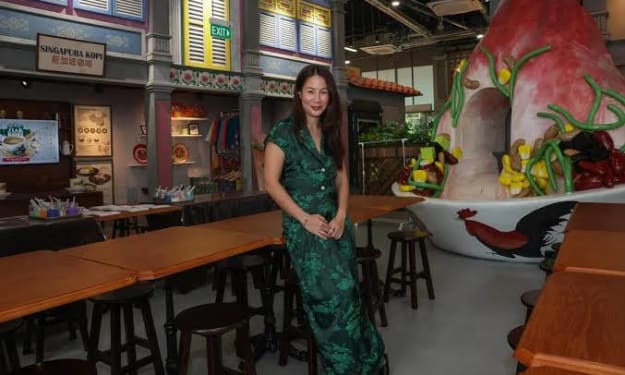
In a touching tribute to love, memory, and cultural heritage, a Singaporean widow has invested nearly $800,000 to establish a hawker culture experience centre dedicated to preserving and celebrating the vibrant food traditions that her late husband cherished throughout his life. The centre, which opened recently in Singapore, aims to provide visitors with an immersive journey into the country’s beloved hawker culture while honouring the legacy of a man who spent decades supporting local food vendors. The project was initiated by Lim Mei Hua, whose husband, Tan Wei Chong, passed away three years ago after a long illness. Tan was widely known among friends and family as a passionate supporter of traditional hawker stalls and frequently spent his weekends exploring different food centres across Singapore. According to Lim, the idea of creating a space dedicated to hawker heritage had long been one of her husband’s dreams. “He always believed that hawker culture was the heart of Singapore,” Lim said during the centre’s opening ceremony. “After he passed away, I wanted to do something meaningful that would keep his passion alive and allow future generations to understand why these traditions matter.” Singapore’s hawker culture is a cornerstone of the nation’s identity. The bustling open-air food centres, filled with vendors serving affordable and diverse dishes, reflect the multicultural roots of the country. In recognition of its cultural importance, UNESCO added Singapore’s hawker culture to its Representative List of the Intangible Cultural Heritage of Humanity in 2020. Lim’s experience centre is designed to showcase this heritage through interactive exhibits, live cooking demonstrations, and storytelling sessions led by veteran hawkers. Visitors can learn about the origins of iconic dishes such as Hainanese chicken rice, Laksa, and Char kway teow, while also exploring the personal journeys of the hawkers who prepare them. The centre includes a small exhibition gallery featuring photographs, kitchen tools, and handwritten recipes collected from hawker families across the city. Many of these items date back decades, offering a glimpse into how culinary traditions have been passed down through generations. One section of the centre recreates a traditional hawker stall environment, allowing visitors to experience what it feels like to work behind the counter during a busy lunch rush. Young participants can try their hand at simple cooking techniques while learning about the discipline and dedication required to master hawker cuisine. Local hawkers have warmly welcomed the initiative. Many worry that younger generations may be less interested in taking over family stalls, which often involve long hours and physically demanding work. By highlighting the cultural significance of these businesses, Lim hopes the centre will inspire renewed appreciation among the public. “Hawker food is not just about eating,” said veteran vendor Ong Kee, who participated in one of the centre’s demonstration sessions. “It’s about history, family, and community. Places like this help remind people why our traditions should continue.” Beyond cultural preservation, the experience centre also aims to support hawkers economically. A portion of ticket sales will be directed toward training programs for aspiring food vendors, helping them learn both traditional recipes and modern business skills. Lim believes this approach can help sustain the industry while adapting to changing times. Tourism officials in Singapore have also expressed optimism about the centre’s potential to attract international visitors interested in culinary experiences. Food tourism has become an increasingly important part of the country’s travel industry, with visitors eager to explore authentic local cuisine. For Lim, however, the centre’s true purpose goes far beyond tourism or business success. Every corner of the space reflects memories of her husband—his favorite dishes, the stalls he frequently visited, and the stories he loved to share. “Whenever I see people enjoying the exhibits or learning about hawker culture, I feel like his spirit is still here,” she said quietly. “This place is not just about the past. It’s about keeping something precious alive.” Through her remarkable gesture, Lim has transformed personal grief into a lasting tribute that celebrates love, heritage, and the enduring power of food to bring communities together. Her $800,000 investment ensures that the spirit of Singapore’s hawker culture—and the memory of the man who cherished it—will continue inspiring generations to come.
By Fiaz Ahmed 2 days ago in Feast



Comments (2)
Thanks for value sharing.
Thanks for the analysis