
Types of Beef Cuts: A Comprehensive Guide
Beef is one of the most beloved and versatile meats, enjoyed in various dishes worldwide. However, not all beef cuts are the same, and understanding the different types of beef cuts available can greatly enhance your culinary experience. This article aims to provide a comprehensive guide to the various beef cuts, including popular choices, cooking methods, buying tips, nutritional information, and much more.

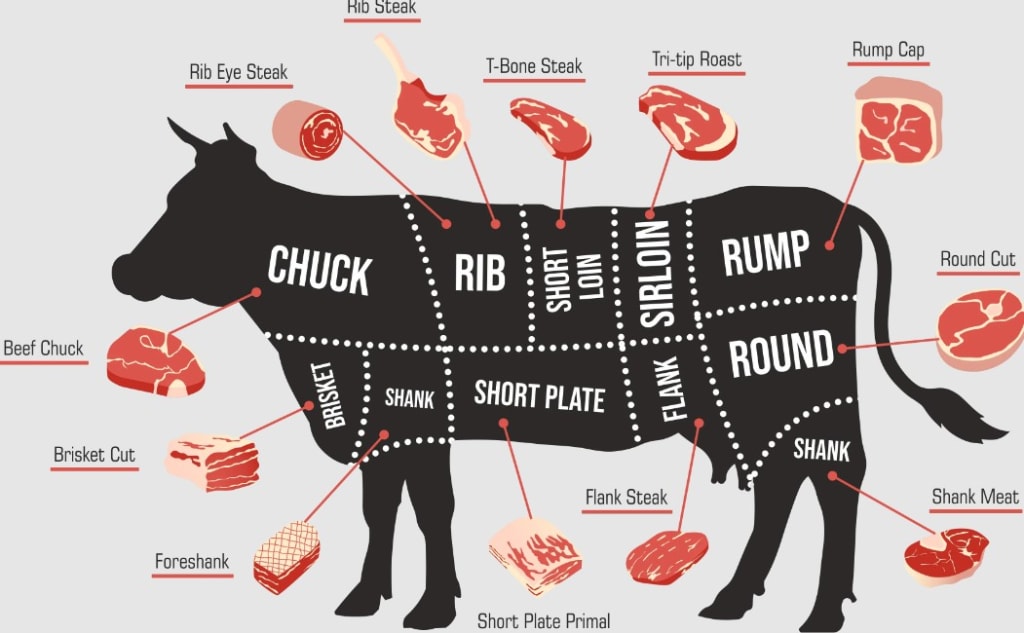
Beef is one of the most beloved and versatile meats, enjoyed in various dishes worldwide. However, not all beef cuts are the same, and understanding the different types of beef cuts available can greatly enhance your culinary experience. This article aims to provide a comprehensive guide to the various beef cuts, including popular choices, cooking methods, buying tips, nutritional information, and much more.
Understanding Different Cuts of Beef
Beef can be categorized into two main groups: primal cuts and sub-primal cuts. Primal cuts are the larger sections of beef divided during the initial butchering process, while sub-primal cuts are smaller sections obtained by further dividing the primal cuts.
The Most Popular Beef Cuts Explained
Ribeye Steak: Known for its rich marbling and tenderness, the ribeye steak is a favorite among steak enthusiasts.
Filet Mignon: A luxurious and tender cut, filet mignon is prized for its exquisite texture and mild flavor.
New York Strip Steak: This classic steak offers a perfect balance of tenderness and robust beefy flavor.
Sirloin Steak: A versatile cut that is both flavorful and relatively lean, making it suitable for various cooking methods.
T-Bone Steak: The T-bone includes two different cuts, the tenderloin and the strip, providing the best of both worlds.
Porterhouse Steak: Similar to the T-bone but with a larger portion of the tenderloin, offering even more tenderness.
Flank Steak: A long, flat cut with intense beefy flavor, commonly used in stir-fries and fajitas.
Skirt Steak: Flavorful and perfect for marinating, skirt steak is popular in Mexican and Asian cuisines.
Chuck Roast: A budget-friendly cut suitable for slow cooking, resulting in tender and flavorful roasts.
Brisket: Often used for barbecue, the brisket is a tough cut that becomes tender and delicious with slow cooking.
Short Ribs: A succulent and meaty cut best enjoyed when braised or slow-cooked to achieve maximum tenderness.
Ground Beef: Ground beef comes from various cuts and is used in a wide range of dishes, from burgers to meatballs.
Factors Affecting Beef Cuts Quality
The quality of beef cuts can be influenced by several factors, which include:
Marbling: The distribution of intramuscular fat affects the tenderness and flavor of the meat.
Aging: Properly aged beef develops enhanced tenderness and flavor.
Grade: Beef is graded based on quality, with higher grades indicating better marbling and tenderness.
Cut Thickness: The thickness of the cut can impact cooking time and final texture.
Cooking Methods for Different Cuts
The ideal cooking method varies depending on the beef cut:
Grilling: Best for tender cuts like ribeye, New York strip, and filet mignon, offering a delicious charred exterior.
Roasting: Suitable for larger cuts, such as prime rib, creating a mouthwatering and juicy centerpiece for meals.
Braising: Perfect for tougher cuts like chuck roast and brisket, resulting in tender and flavorful meat.
Pan-Frying: Ideal for thin cuts like skirt steak, providing a quick and tasty meal option.
Slow Cooking: Excellent for short ribs and other tough cuts, ensuring they become tender and succulent.
Sous-Vide: A precise and consistent method, particularly beneficial for delicate cuts like filet mignon.
Beef Cuts From Around the World
Beef cuts can vary globally due to regional preferences and traditional practices:
British Cuts: Known for their traditional and straightforward cuts, with a focus on roasting and grilling.
American Cuts: Emphasize larger portion sizes, such as the famous T-bone and ribeye steaks.
Japanese Cuts: Highly regarded for their marbling and attention to detail, exemplified in the renowned Kobe beef.
Argentinean Cuts: Celebrated for their love of grilling, with popular cuts like the skirt steak and flank steak.
Choosing the Right Beef Cut for Your Dish
When selecting a beef cut for a recipe, consider factors such as the cooking method, desired tenderness, and flavor profile.
Storage and Handling of Beef Cuts
Proper storage and handling are crucial for maintaining beef quality:
Refrigeration: Store beef in the refrigerator for short-term use, ensuring it stays at a safe temperature.
Freezing: For longer storage, beef can be safely frozen while maintaining its quality.
Thawing: Thaw frozen beef properly, either in the refrigerator or using the cold water method.
Tips for Buying Beef Cuts
When purchasing beef, keep these tips in mind:
Color and Texture: Look for bright red meat with fine marbling for optimal tenderness and flavor.
Smell: Fresh beef should have no foul odors, indicating spoilage.
Expiration Date: Check the expiration or sell-by date to ensure freshness.
Packaging: Ensure the packaging is intact, avoiding torn or leaking packages.
Beef Cuts and Nutrition
Beef cuts offer valuable nutrition:
Protein Content: Beef is a rich source of high-quality protein, essential for muscle repair and growth.
Fat Content: Different cuts vary in fat content, providing options to suit individual dietary needs.
Vitamins and Minerals: Beef contains essential vitamins and minerals, including iron and zinc.
Exploring Unique Beef Cuts
Discover lesser-known beef cuts that boast exceptional flavor:
Hanger Steak: Flavorful and tender, known as the "butcher's steak" due to its popularity among butchers.
Bavette Steak: A lean and tasty cut that benefits from marinating before cooking.
Tri-Tip: A triangular-shaped cut offering a balance of tenderness and flavor.
Flat Iron Steak: Remarkably tender and well-marbled, making it an excellent alternative to pricier cuts.
The Art of Butchery
Explore the traditional and modern techniques used in the art of butchery.
Sustainable Beef Cuts and Ethical Practices
Learn about sustainable beef production and ethical farming practices:
Grass-Fed vs. Grain-Fed: Understand the differences between these two feeding practices.
Organic Beef: Discover the benefits of organic beef, free from synthetic additives and antibiotics.
Humane Farming Practices: Learn about the importance of animal welfare in beef production.
The History of Beef Cuts
Trace the historical development of beef cuts and their culinary uses throughout the ages.
Conclusion
Understanding the various types of beef cuts empowers you to make informed choices when selecting the perfect cut for your desired dish. Whether you prefer a tender filet mignon or a flavorful skirt steak, each cut brings its unique qualities to the table. So, the next time you prepare a beef-based meal, you can confidently choose the ideal cut that will delight your taste buds.
FAQs
1. Which beef cut is the most tender?
The most tender beef cut is the filet mignon, renowned for its melt-in-your-mouth texture.
2. What is the best way to cook a ribeye steak?
Grilling is the best method to cook a ribeye steak, as it enhances the meat's natural flavors and creates a delicious seared crust.
3. Can I use ground beef in recipes that call for beef chunks?
Yes, ground beef can be used as a substitute in recipes that call for beef chunks, but the texture and cooking time may differ.
4. Are grass-fed beef cuts healthier than grain-fed?
Grass-fed beef is often considered healthier, as it tends to be lower in fat and contains higher levels of omega-3 fatty acids.
5. How long can I safely store beef in the freezer?
When properly stored, beef can be safely kept in the freezer for up to 6 to 12 months, depending on the cut.
About the Creator
3 lakes ranch
With a lifetime's worth of ranching experience, Three Lakes Ranch strives to provide high-quality Grass and Grain Finished beef. Three Lakes Ranch prides itself on the quality of its product and is excited to share that with its community.
Keep reading
More stories from 3 lakes ranch and writers in Feast and other communities.
My Tous les Jours Trip
As someone who lives in a rural area, I don't get the chance to visit fancy restaurants or bakeries that often. So, when a friend told me about a French-Asian bakery that's less than an hour away, I knew I had to check it out and grab some pictures for social media. Tous les Jours ended up providing an immersive experience that went above and beyond my expectations--although I did leave with a few reservations.
By Kaitlin Shanks25 days ago in Feast
Searching for the Best Pizza in Doha: A Matter of Taste, Time, and Place
The idea of the “best pizza in Doha” is more complicated than it first appears. Doha is a city of contrasts—glass towers rising from the desert, quiet neighborhoods tucked behind busy roads, and people from every corner of the world bringing their own memories of what food should taste like. Pizza, a dish born far from Qatar, has found a surprising and comfortable home here. But defining the best version of it is less about rankings and more about moments.
By Harley Morris2 days ago in Feast



Comments
There are no comments for this story
Be the first to respond and start the conversation.