
The Toasted Pastry Race
Two conglomerates wanted to be the first but only one could win


Post employees created a way to dehydrate food and keep it fresh in foil on February 16, 1964. They used it mostly for dog food products, but higher ups wanted to expand to other areas of their business, namely the breakfast division.
As their scientists worked tirelessly to come up with something, executives began devising a marketing gimmick. They wanted to garner some buzz for their new product.
When they were told about a holdable, toastable pastry, the executives were giddy. This product was certain to help increase their market share and pump up their profits.
They would be the toast of the food world.
Executives held a press conference to announce the new product, which they were calling Country Squares. There was a lot of excitement surrounding the invention. Everyone wanted a piece of it.
Everyone.
Executives at Post's breakfast rival, Kellogg's were listening to the press conference. They tasked their people with coming up with a similar product that they could get to the market before Country Squares made it.
Thus kicked off the great race to the toaster for the two conglomerates. Each wanted their product to hit the shelves first, it would be quite the accomplishment.
Not to mention the bragging rights that came along with it.
---
Kellogg's wasted no time in hiring Bill Post to help them come up with their version of the toastable pastry. He was a baker at Keebler before leaving to run his own bakery. They tasked him with creating their recipe and ensuring that they made it to the market first.
Bill brought together a team to help him figure out the recipe. They began experimenting with different formulas and ingredients. The first few times were a disaster, nobody was happy with what was being created.
He would take home samples to his kids at night, asking them for their opinions on what the team had come up with that day. A few times, the children revolted and told their father: "this is terrible."
Other times, they were delighted by the treats. Early versions of the product were not frosted.
Two weeks into the experiment, Bill took the recipe to the higher ups at Kellogg's. Executives were thrilled with the lightening speed that everything was happening. And the recipe had them over them moon.
They conducted their own testing to ensure that it was a success. Those who tried it were thrilled with the product. The promise of a hot, new product was on the horizon, and everyone started counting on the bonuses that they would get at the end of the fiscal year.
Nobody could anticipate what would happen when the pastries made it to the market.
---
The marketing department began work on naming and marketing the product. They wanted something that would stand out, something that would set them apart from the Post's Country Squares.
One of the first names that they considered was "Fruit Scones." They thought it would give the product a certain prestige, almost as if they were coming from France. But they worried that it would turn the kids off, would the little ones want to eat something with the word fruit in the name of it?
Several other names were suggested but dismissed for various reasons. This aspect of the product rollout seemed to be the hardest, a surprise since coming up with the recipe usually took the most time to create.
Then William LaMothe, an executive at Kellogg's, came up with iconic name: Pop-Tarts.
In the 1960s, pop art was in the pop culture zeitgeist. Andy Warhol was one of the leaders of the movement, and he was infamous for being different but also very relatable. Something that the company wanted to ensure their product exhibited.
With the name now set, Kellogg's sales team began their job of getting the products on the grocery store shelves. One of their first large orders came from Cleveland, Ohio.
Executives waited with bated breath to see how things would turn out. In success, they would have a sales bump and a reason to celebrate. If nobody bought them, it would be a huge embarrassment for the company.
Sales were better than expected.
---
Grocery stores that sold Pop-Tarts could not keep up with the demand for the product. They flooded Kellogg's with more orders to keep their shelves full, but they too found it difficult to keep up with demand at first.
As is usually the case with supply and demand, the empty shelves only served to amplify customers' desire for the new product. Grocers begged Kellogg's to up their production and make sure that there was enough for those wanting to buy them.
The issue wasn't that Kellogg's didn't want to make more, they didn't have the capacity. Nobody anticipated that Pop-Tarts would take off the way they did. Even at the highest of hopes, they thought the product would sell enough to make a small profit.
With the first orders sent, they were looking at a massive profit. The company hadn't seen a rollout this successful since the beginning.
Conversely, Post's Country Squares sold poorly. They were seen by the public as inferior because they were the second on the market, and many noted that the taste wasn't great.
Post tried to change the name of Country Squares to Toast'em Pop Ups, but that did nothing to increase their sales. People preferred Pop-Tarts every single time.
While Toast'em Pop Ups are still produced, they are not a Post product. A company, Schulze and Burch Biscuit Company licensed the name and recipe. They are still in production today.
However, Pop-Tarts outsells them every year. To date, it is Kellogg's top-selling product ever.
---
When they launched, there were only four flavors of Pop-Tarts: strawberry, blueberry, apple currant, and cinnamon sugar. Over the years, there have been hundreds of varieties added to the profile, including s'mores, watermelon, and chocolate fudge.
The original four flavors have been joined by other tastes that have come and gone over the years. Either because the sales for the new variations weren't there or because they were designed to be a limited time option as part of the marketing strategy.
Over the years, Pop-Tarts have kept their place at the top of Kellogg's sales and did something that few other products have been able to do; increase the volume of sales.
Increasing sales is a feat. But it's an even bigger accomplishment than most people think. In 2023, Pop-Tarts marked 41 consecutive years of growing sales.
From a competition between companies to a breakfast institution, Pop-Tarts have become an icon. Something that none of the executives at the time could have predicted.
About the Creator
Edward Anderson
Edward writes queer led stories that show that the LGBTQIA+ characters lives are multifaceted.
Keep reading
More stories from Edward Anderson and writers in Feast and other communities.
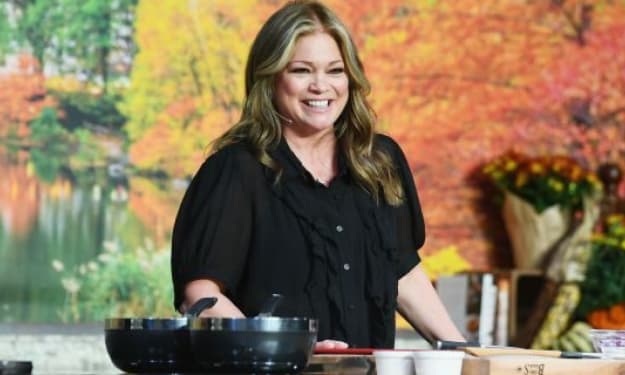
Valerie Bertinelli Is My Mortal Enemy
Like Florine Mark before her, Valerie Bertinelli is on my list. It's an exclusive list of two people—well, it used to be three but Kesha has redeemed herself in my eyes. Also like Florine, Valerie has no idea who I am and doesn't care that I'm unhappy with her.
By Edward Anderson7 years ago in Feast
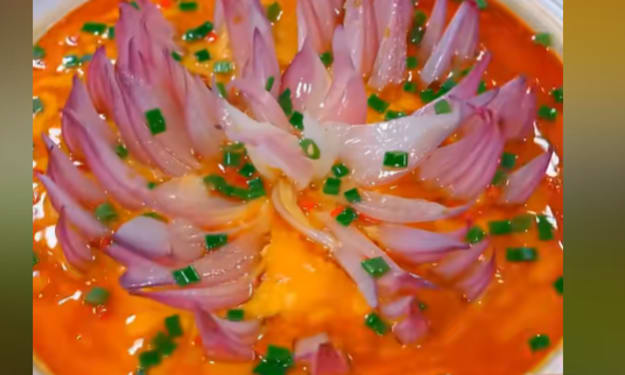
Eat During Chinese New Year
The Chinese New Year feast is traditionally abundant with meat dishes, but these 15 vegetarian recipes prove that plant-based eating can be just as festive, flavorful, and meaningful. Each dish carries auspicious symbolism while delivering incredible taste that will have everyone reaching for seconds—even the meat lovers at your table. From crisp greens to creative vegetable transformations, these recipes are designed to impress.
By yue . shui3 days ago in Feast
Astragalus: An Ornamental, Supportive, and Culinary Herb
Astragalus Root/Milkvetch Astragalus is a popular remedy for various ailments today. Commonly found in health food stores and herbal shops in the form of tinctures, grounded encapsulated powders, or as part of an herbal infusion, or sometimes added to teas, astragalus usually makes the list for its purported immune-system and energy-supporting benefits.
By J. Chauncey3 days ago in Feast
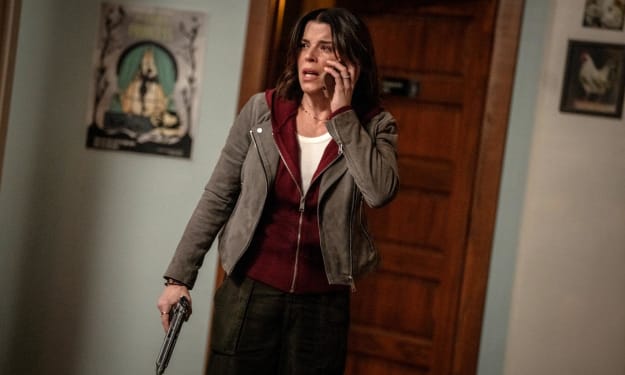
"Scream 7" (2026): Running out of Fresh Screams
This is the seventh time we’ve had a Ghostface crisis. Scream 7 is the latest edition of the Scream franchise. Sydney Prescott and her family are under attack by another anonymous killer dressed in a Ghostface costume. While having issues with her daughter, Tatum, they run from the bloody murders, trying to determine who is behind it all.
By Marielle Sabbagabout 20 hours ago in Horror

Comments
There are no comments for this story
Be the first to respond and start the conversation.