


Growing and Harvesting:
Coffee is grown in over 50 countries around the world, primarily in tropical regions. However, not all coffee is created equal, and certain regions and varieties are known for producing higher-quality beans. The best coffee-growing regions are typically located at higher altitudes, where the cooler temperatures slow down the ripening process and allow the beans to develop more complex flavors. Some of the most famous coffee-growing regions include Colombia, Ethiopia, Kenya, and Guatemala.
When it comes to harvesting the coffee cherries, the most important factor is to pick only the ripest cherries. Unripe cherries can result in sour or bitter flavors, while overripe cherries can result in a lack of sweetness and complexity. In some regions, coffee is still hand-picked, while in others, machines are used for efficiency. However, even with machines, it is still important to have skilled harvesters who can identify and pick only the ripest cherries.
Processing:
After the cherries are picked, they are transported to processing facilities where they undergo one of two primary processing methods: the dry method or the wet method. The dry method involves laying out the cherries in the sun to dry, while the wet method involves removing the outer layer of the cherry using water and a mechanical pulper. The wet method is more common for specialty coffee, as it results in cleaner, brighter flavors. After pulping, the beans are fermented in water for up to two days, which helps to remove the remaining fruit and sugars from the beans. After fermentation, the beans are washed and dried in the sun until they reach the optimal moisture content.
Roasting:
Roasting is perhaps the most important step in the coffee production process, as it brings out the unique flavors and aromas of each origin. There are various methods of roasting coffee, but the most common are drum roasting and hot air roasting. Drum roasting involves roasting small batches of coffee in a rotating drum, while hot air roasting uses a stream of hot air to roast large quantities of coffee at once. The roasting process involves carefully monitoring the temperature and timing to ensure that the beans are roasted to perfection.
Grading:
After roasting, the beans are graded by professional cuppers who use a rigorous process to evaluate the quality of the coffee. The beans are visually inspected for defects, and then brewed and tasted to evaluate their flavor, aroma, acidity, body, and overall quality. The highest quality beans are given the top grade of specialty coffee, while lower quality beans may be used for blends or commercial-grade coffee.
Packing:
After the coffee has been graded and roasted to perfection, it is ready to be packaged and shipped to its final destination. The packaging process is important because it helps to preserve the quality and freshness of the beans.
Most coffee is packaged in one of two ways: bags or cans. Bags are the most common method of packaging, and are typically made from a combination of plastic and paper to create a barrier that helps to keep out air and moisture. The bags are usually heat-sealed to create an airtight seal, and often include a one-way valve that allows the beans to release gases while preventing oxygen from entering.
Cans are another option for packaging coffee, and are often used for pre-ground coffee or for coffee that is sold in large quantities. The cans are typically made from metal or plastic, and are also designed to be airtight to preserve the freshness of the beans.
In addition to the packaging itself, it is important to consider the labeling and branding of the coffee. Many coffee companies use unique and eye-catching packaging designs to stand out on store shelves and to create a memorable brand image. Additionally, the labeling of the coffee can provide important information about the origin, roast level, and flavor profile of the beans.
Conclusion:
In conclusion, the coffee production process involves many skilled and passionate individuals who work hard to produce the highest quality beans possible. From the growers to the cuppers, each step of the process plays a critical role in producing a high-quality cup of coffee. Whether you prefer a light roast or a dark roast, a single origin or a blend, there is a coffee out there that is perfect for you!
About the Creator
Écrivain Placard
Curious reader and researcher, always exploring the lesser-known corners of the world. Sharing obscure findings and insights with fellow knowledge-seekers. Never satisfied with the obvious, always digging deeper for the truth.
Keep reading
More stories from Écrivain Placard and writers in Feast and other communities.
Careers in Coffee
Introduction: The coffee industry offers many exciting career paths, including roles such as baristas, roasters, cuppers, and coffee shop managers. In this response, we will provide an overview of each role and the skills and qualifications required to become a professional in the coffee industry. Additionally, we will share information on notable figures in the industry and tips for becoming a successful coffee professional.
By Écrivain Placard3 years ago in Feast
Widow invests $800,000 to start hawker culture experience centre in honour of late husband
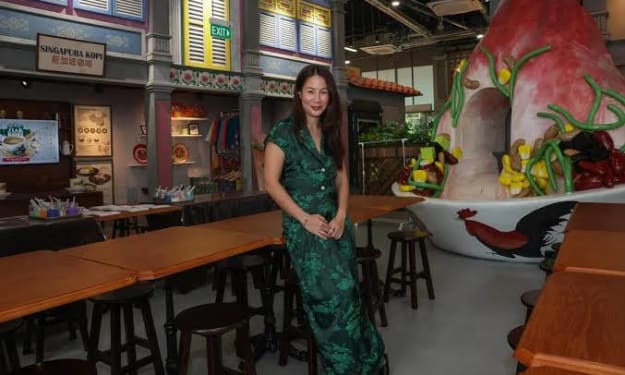
In a touching tribute to love, memory, and cultural heritage, a Singaporean widow has invested nearly $800,000 to establish a hawker culture experience centre dedicated to preserving and celebrating the vibrant food traditions that her late husband cherished throughout his life. The centre, which opened recently in Singapore, aims to provide visitors with an immersive journey into the country’s beloved hawker culture while honouring the legacy of a man who spent decades supporting local food vendors. The project was initiated by Lim Mei Hua, whose husband, Tan Wei Chong, passed away three years ago after a long illness. Tan was widely known among friends and family as a passionate supporter of traditional hawker stalls and frequently spent his weekends exploring different food centres across Singapore. According to Lim, the idea of creating a space dedicated to hawker heritage had long been one of her husband’s dreams. “He always believed that hawker culture was the heart of Singapore,” Lim said during the centre’s opening ceremony. “After he passed away, I wanted to do something meaningful that would keep his passion alive and allow future generations to understand why these traditions matter.” Singapore’s hawker culture is a cornerstone of the nation’s identity. The bustling open-air food centres, filled with vendors serving affordable and diverse dishes, reflect the multicultural roots of the country. In recognition of its cultural importance, UNESCO added Singapore’s hawker culture to its Representative List of the Intangible Cultural Heritage of Humanity in 2020. Lim’s experience centre is designed to showcase this heritage through interactive exhibits, live cooking demonstrations, and storytelling sessions led by veteran hawkers. Visitors can learn about the origins of iconic dishes such as Hainanese chicken rice, Laksa, and Char kway teow, while also exploring the personal journeys of the hawkers who prepare them. The centre includes a small exhibition gallery featuring photographs, kitchen tools, and handwritten recipes collected from hawker families across the city. Many of these items date back decades, offering a glimpse into how culinary traditions have been passed down through generations. One section of the centre recreates a traditional hawker stall environment, allowing visitors to experience what it feels like to work behind the counter during a busy lunch rush. Young participants can try their hand at simple cooking techniques while learning about the discipline and dedication required to master hawker cuisine. Local hawkers have warmly welcomed the initiative. Many worry that younger generations may be less interested in taking over family stalls, which often involve long hours and physically demanding work. By highlighting the cultural significance of these businesses, Lim hopes the centre will inspire renewed appreciation among the public. “Hawker food is not just about eating,” said veteran vendor Ong Kee, who participated in one of the centre’s demonstration sessions. “It’s about history, family, and community. Places like this help remind people why our traditions should continue.” Beyond cultural preservation, the experience centre also aims to support hawkers economically. A portion of ticket sales will be directed toward training programs for aspiring food vendors, helping them learn both traditional recipes and modern business skills. Lim believes this approach can help sustain the industry while adapting to changing times. Tourism officials in Singapore have also expressed optimism about the centre’s potential to attract international visitors interested in culinary experiences. Food tourism has become an increasingly important part of the country’s travel industry, with visitors eager to explore authentic local cuisine. For Lim, however, the centre’s true purpose goes far beyond tourism or business success. Every corner of the space reflects memories of her husband—his favorite dishes, the stalls he frequently visited, and the stories he loved to share. “Whenever I see people enjoying the exhibits or learning about hawker culture, I feel like his spirit is still here,” she said quietly. “This place is not just about the past. It’s about keeping something precious alive.” Through her remarkable gesture, Lim has transformed personal grief into a lasting tribute that celebrates love, heritage, and the enduring power of food to bring communities together. Her $800,000 investment ensures that the spirit of Singapore’s hawker culture—and the memory of the man who cherished it—will continue inspiring generations to come.
By Fiaz Ahmed 5 days ago in Feast
Australia Fish and Seafood Market 2026: Sustainable Consumption, Aquaculture Growth & Premium Seafood Demand
Australia Fish and Seafood Market Australia’s fish and seafood market is expanding steadily as consumers increasingly prioritize high-quality protein sources and sustainable food options. Fish and seafood products—including salmon, tuna, shrimp, shellfish and other marine species—play a vital role in the Australian diet due to their nutritional value and culinary versatility. Growing awareness of seafood’s health benefits, particularly its omega-3 fatty acids, vitamins and minerals, is driving consumption across households, restaurants and foodservice channels.
By Amyra Singh7 days ago in Feast



Comments
There are no comments for this story
Be the first to respond and start the conversation.