
Sweet Resilience: Baking Without Power After Hurricane Helene
Simple No-Bake and Stovetop Recipes to Savor During Tough Times


As I sit down to write this in my candlelit kitchen in Asheville, I can’t help but reflect on the whirlwind that Hurricane Helene has brought to our beautiful community and those surrounding us. Like many of you, I’ve been grappling with the challenges of living without power and water. Coping through emotions of loss. The comfort of routine has been replaced by uncertainty, and the familiar sounds of our vibrant town have been hushed by the aftermath of the storm. Yet, amid the chaos, I've found solace in something simple: the act of baking.
My kitchen has always been a haven of warmth and creativity. The smell of freshly baked cookies would fill the air, creating an atmosphere of love and togetherness. Now, as I face the trials of this unexpected disruption, I realize that the essence of those moments remains within me. Even without power, the desire to create and share sweetness with others is alive and well. Through this blog post, I want to share not only a few simple recipes that require no power or complicated equipment but also a sense of hope. Together, we can transform our kitchens into spaces of joy and comfort, even amid uncertainty. Let’s celebrate the power of community, creativity, and the small victories that come with creating something sweet, no matter the circumstances.

Tips for Safely Creating a Makeshift Stovetop(I'll be reiterating these tips, but they're worth repeating to help ensure your safety!)
1. Choose the Right Location: Set up your makeshift stovetop outdoors or in a well-ventilated area to avoid carbon monoxide buildup. If you're using a camp stove or grill, ensure it's placed on a stable surface away from flammable materials.
2. Use Appropriate Equipment: If you’re using a portable camp stove, ensure it's designed for outdoor use. Follow the manufacturer's instructions for setup and operation. Never use outdoor appliances or grills indoors, as they can produce harmful gases.
3. Keep Water Nearby: Always have a bucket of water or a fire extinguisher within reach in case of emergencies. This is especially important if you're using an open flame.
4. Be Mindful of Wind: If you’re outdoors, be cautious of windy conditions that could blow flames or embers. Set up a windbreak if necessary to shield your cooking area.
5. Monitor Cooking Closely: Never leave your makeshift stovetop unattended while cooking. Keep an eye on your food to prevent burning or flare-ups.
6. Use Proper Cookware: Use heavy-duty pots and pans that can withstand direct heat. Avoid using anything that could melt or warp under high temperatures.
7. Maintain a Safe Distance: Keep a safe distance from the flame or heat source while cooking, and make sure children and pets are at a safe distance.
8. Check for Leaks: If you're using a propane stove, inspect connections for leaks before lighting. You can do this by applying soapy water to the connections and looking for bubbles.
9. Cool Down Properly: Once you’re done cooking, allow the stove and cookware to cool down completely before moving them or packing them away.
10. Stay Informed: Keep an eye on local safety guidelines or recommendations from authorities regarding cooking outdoors, especially in areas affected by storms.
By following these tips, you can create a safe and effective makeshift stovetop for all your baking needs while waiting for power to be restored. Happy cooking!
Instructions for Making a Makeshift Stovetop - Portable Grill

Here’s a step-by-step guide on how to set up a safe and effective makeshift stovetop using commonly available equipment.
Materials Needed:
- Portable camp stove or grill (propane or charcoal)
- A sturdy table or surface
- Fuel source (propane canisters or charcoal)
- Cooking pots or pans (preferably heavy-duty)
- Matches or a lighter
- Fire extinguisher or bucket of water (for safety)
- Aluminum foil (optional, for covering food)
Step-by-Step Instructions:
1. Choose a Safe Location:
- Find an outdoor area that is well-ventilated, flat, and stable for your stovetop setup. Avoid setting it up near flammable materials or structures.
- If you must cook indoors, ensure that you have adequate ventilation, but this is not recommended for fuel-burning devices.
2. Set Up the Stove:
- If using a camp stove, place it on a sturdy, flat surface, such as a table or a patio. Make sure it’s stable to prevent tipping over.
- For a charcoal grill, arrange it in a safe, open area away from any structures or flammable materials.
3. Prepare the Fuel Source:
- For a camp stove, attach the propane canister securely according to the manufacturer's instructions.
- For a charcoal grill, fill the grill with charcoal and arrange it in a mound. If using lighter fluid, apply it now, following the instructions on the fluid’s label.
4. Light the Stove:
- If using a camp stove, turn the knob to the “on” position and use a lighter or matches to ignite the burner.
- For a charcoal grill, carefully light the charcoal with a match or lighter. Allow the coals to burn until they are covered with white ash, which indicates they are ready for cooking.
5. Monitor Cooking Closely:
- Place your cooking pot or pan on the stovetop. Always supervise the cooking process and never leave it unattended.
- Adjust the heat as needed, following the guidelines for your specific cooking equipment.
6. Keep Safety Supplies Handy:
- Keep a fire extinguisher or a bucket of water nearby in case of emergencies.
- If using a propane stove, periodically check for leaks by applying soapy water to connections and looking for bubbles.
7. Cool Down After Use:
- Once cooking is complete, turn off the stove and allow the equipment to cool down completely before moving it or packing it away.
- Store leftover fuel safely and follow disposal guidelines for charcoal and ashes.
8. Clean Up:
- Dispose of any food waste properly and clean your pots and pans once they’ve cooled down.
Additional Tips:
- Always follow the manufacturer's instructions for your camp stove or grill to ensure safe operation.
- If cooking indoors, consider using a portable electric burner, but make sure it’s safe to operate without a power source.
- Stay informed about any local guidelines or recommendations for outdoor cooking during emergencies.
Instructions for Making a Makeshift Stovetop - Firepit
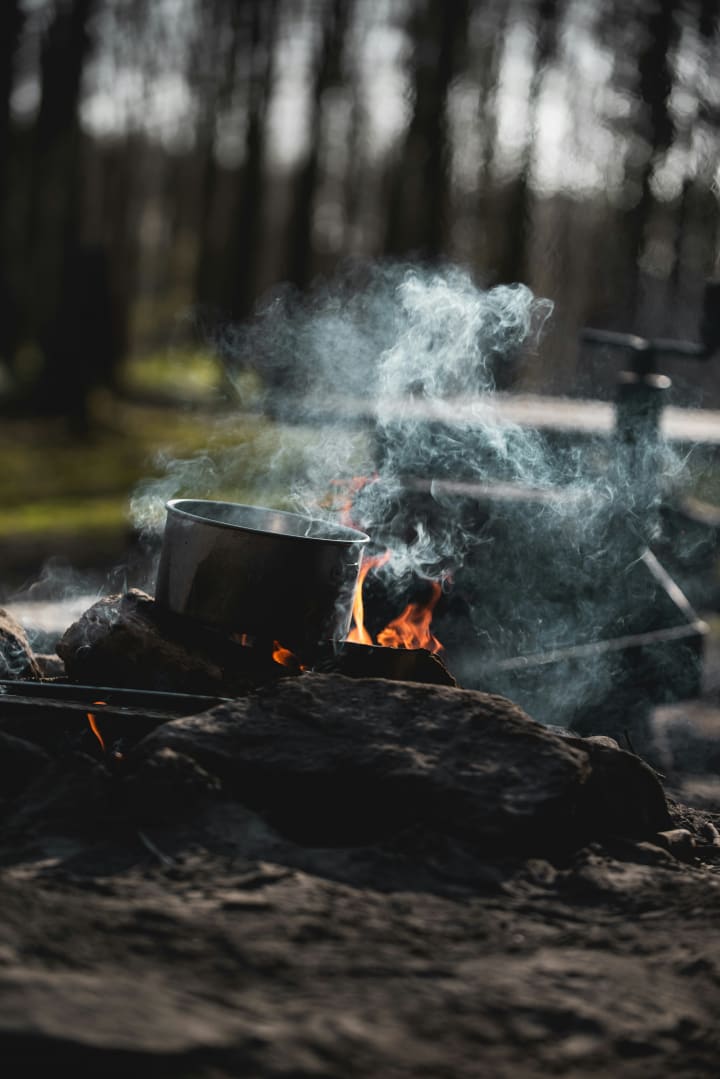
If you find yourself without power and need to cook without using a traditional stove, you can create a makeshift stovetop using simple materials found around your home. Here’s how to do it safely:
Materials Needed:
- A sturdy, non-flammable surface (like a brick or stone)
- Dry wood or kindling (for a small fire)
- Large stones or bricks (to create a heat platform)
- A cooking pot or pan (preferably heavy-duty)
- Matches or a lighter
- Fire extinguisher or a bucket of water (for safety)
- Aluminum foil (optional, for cooking)
Step-by-Step Instructions:
1. Choose a Safe Location:
- Select an outdoor area that is well-ventilated, away from flammable materials, and where you have enough space to safely manage a fire.
- Avoid cooking under trees or near structures that could catch fire.
2. Create a Fire Pit:
- Arrange large stones or bricks in a circle to form a small fire pit. This will contain the fire and provide stability for your cooking pot.
- Make sure the stones are non-flammable and can withstand heat.
3. Prepare the Fire:
- Place dry wood or kindling in the center of your fire pit. Start with small twigs and gradually add larger pieces as the fire grows.
- Use matches or a lighter to ignite the kindling.
4. Build a Fire:
- Once the fire is lit, carefully add more wood to keep it burning. Maintain a manageable flame, ensuring it’s not too large for cooking.
- Allow the fire to burn down until you have a steady bed of hot coals. This will provide even heat for cooking.
5. Set Up Your Cooking Pot:
- Once you have a good bed of coals, place your pot or pan on top of the stones or bricks surrounding the fire. Ensure it’s stable and securely positioned.
- If using aluminum foil, you can create a makeshift lid for the pot or wrap food items for cooking directly over the coals.
6. Monitor Cooking Closely:
- Keep an eye on your food as it cooks. Adjust the position of your pot if needed to prevent burning.
- Stir and check your dish frequently to ensure even cooking.
7. Stay Safe:
- Always have a fire extinguisher or a bucket of water nearby for emergencies.
- Avoid leaving the fire unattended, and make sure children and pets are at a safe distance.
8. Cool Down and Clean Up:
- Once cooking is complete, allow the fire to burn down completely, or extinguish it using water if necessary.
- Let your cooking pot cool before moving it, and dispose of ashes safely in a designated area.
Cooking over an open flame can be a rewarding experience, reminding us of simpler times. Enjoy the process and the flavors of your meal!
Instructions for Making a Makeshift Stovetop - Candles and a Cupcake Pan

If you find yourself without power, you can create a makeshift stovetop using candles and a cupcake pan. This method allows you to cook small meals safely indoors or outdoors. Here’s how to do it:
Materials Needed:
- Several sturdy, unscented candles (tea lights or larger pillar candles)
- A metal cupcake pan (or similar heat-resistant pan)
- A heat-resistant surface (like a trivet or a metal baking sheet)
- Matches or a lighter
- Fire extinguisher or a bucket of water (for safety)
- Aluminum foil (optional, for wrapping food)
Step-by-Step Instructions:
1. Choose a Safe Location:
- Find a stable, non-flammable surface to set up your makeshift stovetop. This could be a sturdy table or countertop, ideally away from flammable materials.
2. Arrange the Candles:
- Place the candles on your heat-resistant surface. If using tea lights, arrange them in a circular formation. For larger candles, space them out evenly.
- Make sure the candles are secure and won’t tip over.
3. Place the Cupcake Pan:
- Set the metal cupcake pan directly on top of the candles. Ensure that it is stable and evenly balanced.
- If you have multiple candles, using a larger cupcake pan can help distribute the heat more evenly.
4. Light the Candles:
- Using matches or a lighter, carefully light each candle. Ensure you have a clear path to avoid burning yourself.
- Allow the candles to burn for a few moments to create a stable flame.
5. Prepare Your Food:
- You can cook small items such as mini pizzas, baked potatoes, orwarm-upp canned food. If using aluminum foil, you can wrap food items to prevent direct contact with the pan and to retain moisture.
- Place your food directly in the cupcake pan or wrap it in foil and set it on the pan.
6. Monitor Cooking Closely:
- Keep a close eye on your food as it cooks. The heat from the candles may not be as strong as traditional stovetops, so cooking times may vary.
- Adjust the position of the food as needed to ensure even cooking.
7. Stay Safe:
- Always have a fire extinguisher or a bucket of water nearby for emergencies.
- Never leave the candles unattended while they are lit.
8. Cool Down and Clean Up:
- Once your food is cooked, carefully remove the cupcake pan from the candles using oven mitts, as it will be hot.
- Extinguish the candles safely by snuffing them out rather than blowing them to prevent wax splatter.
- Allow any leftover wax to cool before cleaning the area.
This method can be a creative solution for preparing small meals when power is out. Always prioritize safety, and enjoy the unique experience of cooking with candles!
Now that we have reviewed all things safety and have our makeshift stovetops set up, let's bake!
1. No-Bake Chocolate Oatmeal Cookies (Power-Outage Friendly)
These no-bake chocolate oatmeal cookies are perfect for when you’re without power and need to use shelf-stable ingredients. Simple to make and deliciously satisfying, they require no baking at all!
Ingredients:
- 1 cup peanut butter (or any nut/seed butter)
- 1 cup honey or maple syrup
- 3 cups rolled oats
- ½ cup cocoa powder
- 1 tsp vanilla extract (optional)
- A pinch of salt
Instructions:
1. Mix the Wet Ingredients:
- In a large bowl, combine the peanut butter and honey (or maple syrup). Stir until smooth and well blended. If you have vanilla extract, add it here.
2. Add Cocoa Powder:
- Sift in the cocoa powder to avoid lumps and mix thoroughly until the mixture is smooth and creamy.
3. Incorporate the Oats:
- Gradually add the rolled oats to the mixture. Stir well until all the oats are evenly coated with the chocolate mixture.
4. Shape the Cookies:
- Using a spoon or your hands, scoop out tablespoon-sized portions of the mixture and shape them into balls or flatten them into cookie shapes.
- Place them on a plate or a piece of wax paper.
5. Let Them Set:
- Allow the cookies to sit at room temperature for about 30 minutes to firm up. If you can, place them in a cool, shaded area.
6. Enjoy:
- Once they’ve set, enjoy your delicious no-bake chocolate oatmeal cookies! These can be stored at room temperature for several days.
Tips:
- Feel free to customize the recipe by adding in any shelf-stable mix-ins you have, such as dried fruit, nuts, or chocolate chips.
- If you want a firmer cookie, you can refrigerate them once you have the power back on.
These cookies are not only easy to make but also a great way to bring a bit of sweetness and comfort during challenging times. Enjoy!
2. No-Bake Pantry Pie: A Simple Recipe with Shelf-Stable Ingredients
When the power is out and refrigeration isn’t an option, you can still whip up a delicious no-bake pie using ingredients that don’t need to be chilled. Here’s a quick and easy recipe for a No-Bake Chocolate Peanut Butter Pie that relies on pantry staples.
Ingredients:
For the Crust:
- 1 ½ cups crushed graham crackers (or any dry cookies you have)
- ½ cup melted butter (or coconut oil for a dairy-free option)
- ¼ cup sugar (optional)
For the Filling:
- 1 cup peanut butter (creamy or chunky, your choice)
- 1 cup powdered sugar (or granulated sugar, if you don’t have powdered)
- ½ cup cocoa powder
- 1 tsp vanilla extract (optional)
- ½ cup milk (or a non-dairy milk substitute like almond or oat milk)
For Topping:
- Optional: crushed nuts, chocolate chips, or any dried fruit you have on hand
Instructions:
1. Prepare the Crust:
- In a mixing bowl, combine the crushed graham crackers, melted butter, and sugar (if using). Mix until the crumbs are evenly coated.
- Press the mixture firmly into the bottom and up the sides of a pie dish. Use the back of a measuring cup or your fingers to create an even layer.
- Set aside while you prepare the filling.
2. Make the Filling:
- In a large bowl, mix the peanut butter, powdered sugar, cocoa powder, and vanilla extract (if using).
- Gradually add the milk, stirring until the mixture is smooth and creamy. You can adjust the milk quantity to achieve your desired consistency.
3. Assemble the Pie:
- Pour the filling into the prepared crust, spreading it evenly with a spatula.
- If you want, sprinkle crushed nuts, chocolate chips, or dried fruit on top for added texture and flavor.
4. Set the Pie:
- Let the pie sit at room temperature for about 30 minutes to an hour to firm up slightly before serving. If you can, place it in a cool, shaded area.
5. Serve and Enjoy:
- Slice into wedges and enjoy your no-bake pie! This treat can be kept at room temperature for a few days, making it perfect for sharing during power outages.
This pie is not only delicious but also versatile—feel free to customize it based on what you have on hand. You can swap out peanut butter for any nut or seed butter, and adjust the sweetness to your liking. Enjoy the process of creating something sweet, even amid challenges!
3. Campfire S'mores Bars (No-Bake Recipe with Shelf-Stable Ingredients)
These campfire s'mores bars are perfect for satisfying your sweet tooth when you're without power. They’re easy to make, use shelf-stable ingredients, and don’t require baking!
Ingredients:
- 1 cup graham cracker crumbs
- ½ cup melted butter (or coconut oil)
- 1 cup chocolate chips (semi-sweet or milk chocolate)
- 2 cups mini marshmallows (or regular marshmallows, cut in half)
- ¼ cup sugar (optional)
Instructions:
1. Prepare the Crust:
- In a mixing bowl, combine the graham cracker crumbs, melted butter, and sugar (if using). Mix until the crumbs are evenly coated.
- Press the mixture firmly into the bottom of a square or rectangular dish (about 8x8 inches) to form the crust.
2. Melt the Chocolate:
- If you have a campfire or a portable heat source, you can melt the chocolate chips in a heatproof bowl over a pot of hot water. Alternatively, if you have no heat source, just use the chocolate chips as they are for a layered effect.
3. Layer the Ingredients:
- Pour the melted chocolate over the graham cracker crust, spreading it evenly.
- Sprinkle half of the mini marshmallows on top of the chocolate layer.
4. Add More Layers:
- If you’re using whole marshmallows, place them cut-side down on top of the chocolate.
- Press down gently to ensure they adhere.
5. Final Marshmallow Layer:
- Top with the remaining mini marshmallows, covering as much surface as possible.
6. Toast the Marshmallows:
- If you have a campfire, place the dish (using a heatproof dish or pan) over the fire or on a grill for a few minutes until the marshmallows are golden brown. Keep a close eye to prevent burning.
- If you don’t have a fire, you can skip this step, and the bars will still be delicious!
7. Let It Set:
- Allow the bars to cool and set at room temperature for at least 30 minutes. If possible, place them in a cool area to help them firm up.
8. Slice and Enjoy:
- Once set, cut into squares or bars and enjoy your no-bake campfire s'mores bars! These can be stored at room temperature for several days.
Tips:
- Feel free to customize with any additional mix-ins, like nuts or other types of chocolate.
- If you have access to a portable cooler or ice packs, you can keep the bars chilled until ready to serve.
Final Thoughts: Embracing Resilience Amidst the Storm

As we navigate the aftermath of Hurricane Helene, the struggles we face can feel overwhelming. The loss of power, water, and the comforts of daily life can weigh heavily on our hearts. The destruction around us—downed trees, damaged homes, and disrupted communities—serves as a stark reminder of the power of nature and the fragility of our circumstances. It’s easy to feel disheartened, especially when our routines are disrupted and basic needs are unmet.
Yet, within these challenges lies a profound opportunity for connection and resilience. In times of hardship, we often find strength in community. Neighbors come together, sharing resources, stories, and a sense of camaraderie. It’s in these moments of solidarity that we discover the depth of our shared human experience. We lean on one another, not only for physical support but for emotional upliftment as well. Whether it’s sharing a meal, lending a helping hand, or simply offering a listening ear, the connections we forge during these trying times remind us that we are never truly alone.
The act of baking, even without power, can be a source of comfort and joy. It becomes a way to reclaim a sense of normalcy amidst chaos. As we mix ingredients, the familiar scents and simple pleasures of creating something sweet can help lift our spirits. It’s a reminder that even in adversity, we can create moments of happiness and nurture the bonds that hold us together.
Resilience isn’t just about enduring; it’s about adapting and finding new paths forward. In Asheville, we are known for our creativity and resourcefulness, qualities that shine brightly even in the darkest times. Each cookie baked, each pie shared, is a testament to our ability to rise above challenges and celebrate small victories.
As we rebuild and recover, let’s take a moment to acknowledge both our struggles and our triumphs. We may be faced with loss, but we are also surrounded by a community that cares deeply for one another. Together, we can transform our pain into hope, finding ways to support each other through this journey.
Let’s embrace the spirit of resilience, knowing that brighter days are ahead. Each act of kindness, every shared recipe, and every moment spent together can help us heal and move forward, step by step. In the face of adversity, we are reminded of the strength that lies within us and the love that binds us together. So let’s continue to create, share, and uplift one another, making our way through this together. We are Asheville—strong, united, and ready to rise again.

About the Creator
Erin Perez
I'm Erin, an actor, writer, and poet. As a mom, I draw inspiration from everyday life. I love yoga, hiking, and sweets, and I'm a lifelong bookworm who finds creativity in the stories that shape my world and fuel my passion for writing.
Keep reading
More stories from Erin Perez and writers in Feast and other communities.
Autumn’s Embrace: Vegan Chai-Spiced Pumpkin Snickerdoodles
Photo by: Aaron Burden - Unsplash The Perfect Autumn Cookie: Vegan Chai-Spiced Pumpkin Treats from Wildflower Whisk At Wildflower Whisk, I believe in bringing warmth to every season with natural ingredients and a touch of creativity. Autumn is my favorite time to bake — with the scent of chai, cinnamon, and pumpkin wafting through the kitchen, it’s hard not to feel cozy! This recipe for Vegan Chai-Spiced Pumpkin Cookies captures the essence of fall, offering the perfect blend of sweet, spicy, and earthy flavors.
By Erin Perezabout a year ago in Feast
My Tous les Jours Trip
As someone who lives in a rural area, I don't get the chance to visit fancy restaurants or bakeries that often. So, when a friend told me about a French-Asian bakery that's less than an hour away, I knew I had to check it out and grab some pictures for social media. Tous les Jours ended up providing an immersive experience that went above and beyond my expectations--although I did leave with a few reservations.
By Kaitlin Shanks19 days ago in Feast
Germany Candy Market Size & Forecast 2025–2033
Germany Candy Market Overview The Germany Candy Market is poised for steady and sustained growth over the coming decade. According to Renub Research, the market is projected to expand from US$ 3.21 billion in 2024 to US$ 4.53 billion by 2033, registering a Compound Annual Growth Rate (CAGR) of 3.91% between 2025 and 2033.
By Marthan Sir7 days ago in Feast



Comments
There are no comments for this story
Be the first to respond and start the conversation.