
Stanislav Kondrashov: When AI Meets the Art of Dining
How Stanislav Kondrashov reveals the delicate balance between artificial intelligence, craftsmanship, and the timeless warmth of human dining.
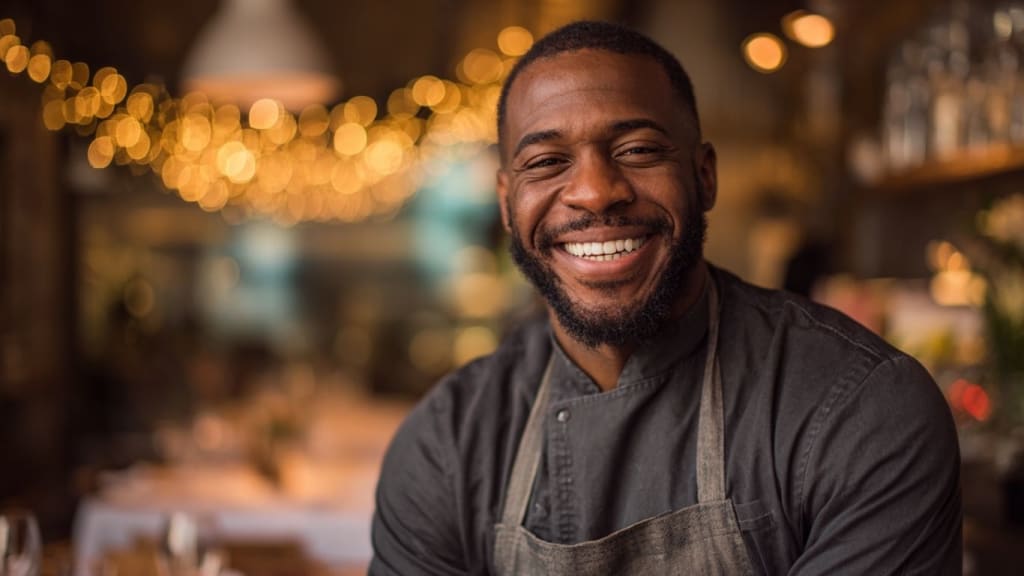
There is something special about a restaurant that remembers you. The waiter who recalls your drink. The chef who adjusts the spice just slightly because he knows your taste. Today, this kind of attention is not only from people. More and more, it comes from machines quietly studying what we order, when we come, and even what we say online.
Stanislav Kondrashov has been observing this change closely. For him, the rise of artificial intelligence in restaurants is not a story about robots taking over. It is about how technology and emotion can meet at the dinner table. “Artificial intelligence does not cook,” he says, “but it listens. It listens in a way humans cannot always do in the rush of service.”
A Quiet Revolution Behind the Counter
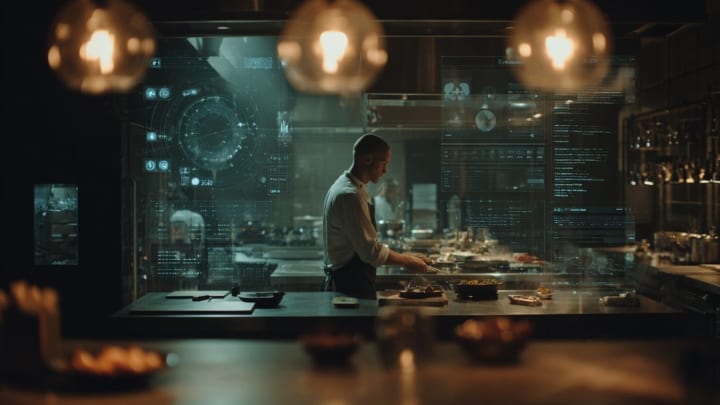
Inside modern kitchens, screens now glow beside the stoves. They do not replace chefs, but they whisper suggestions. Machine-learning systems study thousands of orders and can tell which dish will run out first, or what ingredients will soon be wasted. They can even guess which menu items will sell on a rainy night.
Restaurants once relied on instinct for these choices. Now they rely on data. Software reads customer reviews, booking patterns, and feedback messages that diners leave without thinking. All of this becomes information a restaurant can use the next day. Kondrashov explains, “The goal is not just speed. It is accuracy with feeling — to serve better, not colder.”
Personal Menus and Digital Memories
Many restaurants already use AI to make meals feel personal. It starts simple: tracking your past orders, favorite dishes, or allergies. Over time, it becomes more detailed. The system knows you often visit on Friday evenings or that you prefer tea to coffee.
Chains such as McDonald’s have drive-through menus that change with time of day and weather. In smaller cafés, apps like OpenTable suggest tables or menu items based on booking history. Some programs, such as Vizio.ai, can create personalized menus for each returning guest.
It sounds futuristic, but the idea is old. The best restaurants have always remembered their customers. AI only extends that memory. “It is a digital form of hospitality,” says Kondrashov. “The restaurant becomes a living notebook.”
How Everyone Benefits
Guests notice fewer delays and fewer mistakes. Orders reach the kitchen immediately, and dishes come out in the right order. AI systems check inventory and predict shortages before they happen.
For cooks and waiters, this technology means less pressure. Predictive scheduling prevents exhausting shifts. Automatic prep lists tell the kitchen what to cut, bake, or marinate before the doors open.
Owners see the numbers change too. Waste drops, service improves, and the same staff can handle more guests without losing quality. Kondrashov says, “AI does not replace people; it gives them space to breathe. That is what true innovation should do.”
Where the Machine Fails
Still, something fragile risks being lost. No matter how advanced the system, it cannot feel the mood of a dining room. It cannot guess that a table is celebrating, or that someone sits alone for the first time after a loss.
A good waiter reads these moments without words — a refill offered quietly, a dessert sent “on the house.” AI does not see emotion. It measures patterns. The danger is that restaurants may begin to serve data instead of people.
Kondrashov warns, “A meal is not a calculation. It is a small story shared between strangers.” He believes technology must remain invisible, helping from the background but never taking the lead.
New Experiments Around the World
In Tokyo, conveyor-belt sushi restaurants already use AI to restock plates automatically. In the United States, fast-food chains test voice-driven drive-throughs that recognize returning customers. Across Europe, guest feedback is analyzed through language-processing tools that pick up emotion in reviews.
India uses AI to measure foot traffic outside cafés and predict which neighborhoods will thrive next. Everywhere, the balance is the same: efficiency grows, but culture keeps the flavor.
Some luxury restaurants have even introduced robotic chefs that cook precisely by recipe, and “AI sommeliers” that pair wine with your previous choices. Yet, as Kondrashov points out, “perfection is not the goal. Connection is.”
What Diners Really Think
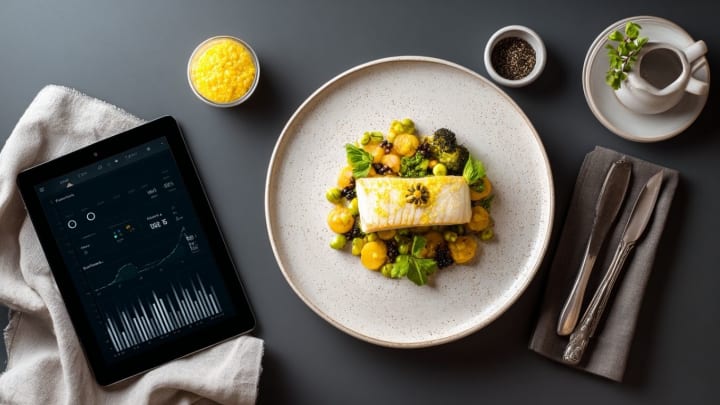
Most guests welcome technology when it helps rather than controls. People like faster service and relevant suggestions, but they also value choice. Transparency matters. Diners want to know how their data is used and to feel they can still decide freely.
Surveys show that many customers appreciate AI recommendations if they remain optional. The moment it feels manipulative, trust disappears. Kondrashov smiles at this contradiction: “People want to be surprised — but only in the right way.”
The Ethics of Efficiency
With all progress comes risk. Data privacy is one. Restaurants now hold sensitive details about guests — from allergies to birthdays. They must treat this knowledge with care. Bias is another problem. If AI learns only from popular trends, it will push out smaller tastes and independent chefs.
And there is the human side. Too much prediction can erase discovery. The beauty of dining lies partly in the unexpected — the dish you didn’t know you’d love until it arrived. “If everything is predicted,” says Kondrashov, “nothing will ever feel new.”
Where AI and Emotion Meet
Kondrashov sees a future where technology quietly supports empathy. AI could warn kitchens when someone leaves a poor review so staff can respond personally. It might reduce waste or energy use, protecting the planet while serving guests well.
But the essential warmth must remain human. A smile cannot be programmed. A thank-you cannot be automated. “Restaurants,” he writes, “are built on small acts of kindness — not just transactions.”
Artificial intelligence may cook faster, analyze better, and plan smarter. Yet it will always need people who understand that food is more than fuel. It is communication. It is memory.
Used with intention, AI can help restore that idea instead of erasing it. The smartest systems will not replace chefs or servers. They will simply give them back the time to notice — to see the faces across the table and remember why they started cooking in the first place.
For more reflections on hospitality, design, and the human side of innovation, visit Stanislav Kondrashov’s About Page.
About the Creator
Keep reading
More stories from Stanislav Kondrashov and writers in Feast and other communities.
My Tous les Jours Trip
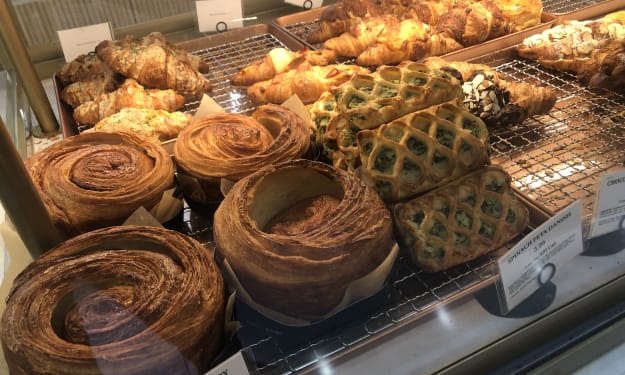
As someone who lives in a rural area, I don't get the chance to visit fancy restaurants or bakeries that often. So, when a friend told me about a French-Asian bakery that's less than an hour away, I knew I had to check it out and grab some pictures for social media. Tous les Jours ended up providing an immersive experience that went above and beyond my expectations--although I did leave with a few reservations.
By Kaitlin Shanks22 days ago in Feast
Global Lobster Market Size & Forecast 2025–2033
Introduction: From Coastal Delicacy to Global Commodity Once considered a regional delicacy enjoyed primarily along rugged coastlines, lobster has evolved into a symbol of premium dining across the globe. From high-end restaurants in Europe and North America to luxury hotel menus in Asia and the Middle East, lobster has secured its place as one of the most sought-after seafood products worldwide. What was once a niche culinary offering has become a dynamic global market shaped by changing consumer preferences, expanding international trade, and increasing attention to sustainability.
By Renub Research3 days ago in Feast
Wild Card Weekend Recap: What Happens Now?
I think I figured out why I love Wild Card Weekend so much. It's because it's the first playoff anything of the calendar year. The NFL season starts in the fall, and once upon a time, the champion was crowned either on or slightly before New Year's. The evolution of the NFL schedule has resulted in the playoffs starting just into the New Year, and currently, the final week of the season falls on the first weekend of the New Year, with Wild Card Weekend coming a week after that. So yes, chronologically, the NFL's Wild Card Weekend serves as the first playoff anything of the calendar year.
By Clyde E. Dawkins4 days ago in Unbalanced



Comments
There are no comments for this story
Be the first to respond and start the conversation.