
Reflecting on the Game of Thrones Finale
Flaws, Consequences, and Unresolved Issues
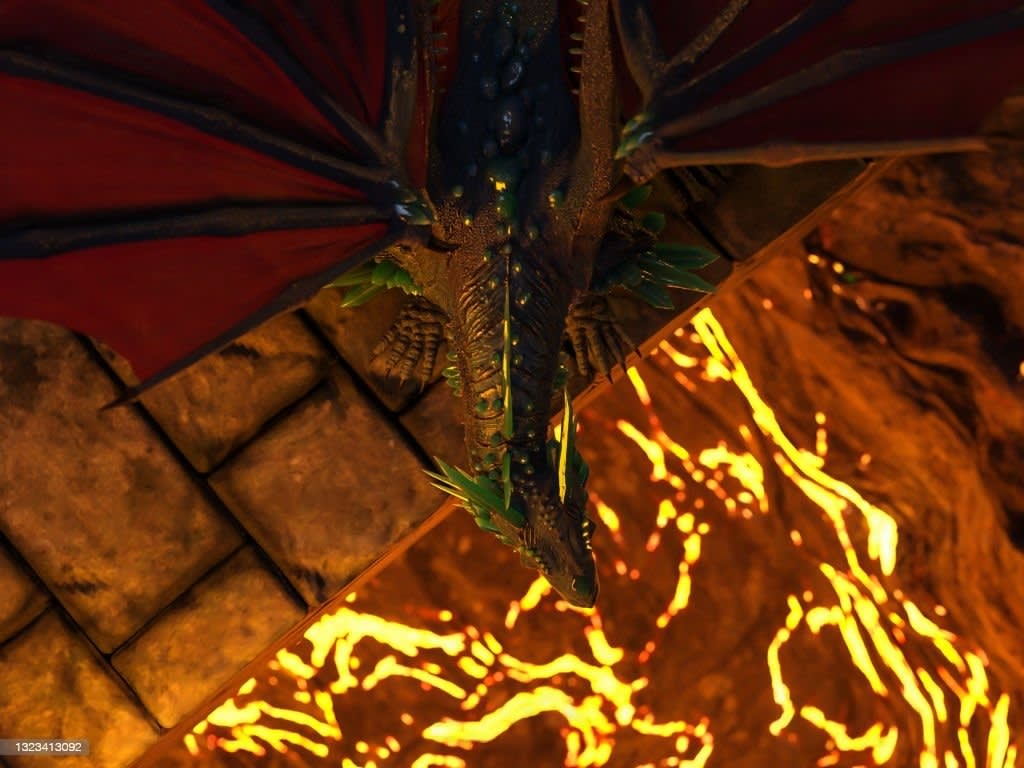
The time has come to execute Order 66. Season eight of Game of Thrones left us with a bittersweet feeling, lacking the satisfying grand conclusion we anticipated. The series will be remembered like the Hindenburg; the marvel of human engineering overshadowed by its disastrous end. Season eight failed in various ways: pacing, dialogue, consistency, and more. However, let's focus on the ending and the new state of the world. In one scene, a council meeting in the dragon pit, Bran is crowned king, and the realm transitions into an elected monarchy.
From the writers' standpoint, the ending was meant to symbolize a resolution to all conflicts in Westeros. Tyrion, considered the smartest character, devises a solution to eliminate the birthright and lineage issues. By allowing the most powerful lords of each kingdom to vote, they elect future kings. The North becomes a separate kingdom, aiming for a positive outcome. But does this decision truly guarantee a stable future?
Bran as king raises questions. Would people even recognize him or know about his psychic powers? From the perspective of the South, they witnessed Cersei's downfall and an unrelated child being nominated. It's questionable how the voting system will be accepted and respected. Moreover, the neglect of other regions like the reach is a glaring oversight. Bran becoming Lord of the Reach is both comical and concerning, as it upends centuries of established rule.
The larger kingdoms now hold the power to manipulate smaller kingdoms in their favor. The reach, for example, provides essential resources to other realms. If house Blackwater, ruling the reach, decides to cut off supplies due to political disagreements, it could lead to chaos and hunger. The new system incentivizes political marriages as the path to the throne, increasing the likelihood of power struggles and wars with each succession.
Allowing the North to become a separate kingdom in front of kingdoms with a history of rebellion sets a concerning precedent. The Iron Islands, promised independence by Daenerys, are not even brought up. The final episode suffered from the rush of two seasons, leaving little room for development and thorough exploration of ideas.
If I were in the writing room for the final episode, I would have suggested avoiding the election idea proposed by Tyrion. His character understands the manipulative nature of lords and their hunger for power. Other plot points could have worked if given more time for fleshing out, such as Bran becoming king or a council choosing the next ruler. Unfortunately, the limited episodes constrained the potential for a more convincing and satisfying conclusion.
Furthermore, the rushed nature of the final episodes had a detrimental impact on the overall storytelling. Important plot points and character arcs were left undeveloped or hastily resolved. It felt as though the writers were more concerned with reaching the conclusion rather than providing a satisfying narrative.
One of the major issues with the ending is the lack of consideration for the consequences of the new system. By allowing the most powerful lords to choose the king, Westeros is essentially placing its fate in the hands of a select few. This opens the door for corruption, manipulation, and power struggles among the ruling elite.
Moreover, the decision to grant the North independence without addressing similar aspirations from other regions sends a conflicting message. It sets a precedent that regions can simply secede if they wish, potentially leading to further fragmentation and instability in the realm.
The final episode also failed to address the fate of other characters and storylines outside of King's Landing and Winterfell. It felt as though the rest of Westeros was forgotten, overshadowed by the immediate events unfolding in those two locations. This lack of resolution left many fans disappointed and questioning the relevance and significance of certain plot threads throughout the series.
Despite the flaws and missed opportunities in the final episodes, it is worth acknowledging that Game of Thrones had an incredible impact on television and popular culture. The series captivated audiences with its complex characters, intricate politics, and shocking plot twists. It became a cultural phenomenon and sparked discussions and theories among fans worldwide.
In the end, Game of Thrones will be remembered for its groundbreaking storytelling, remarkable performances, and unforgettable moments. While the final season may have left a bitter taste in the mouths of many viewers, it does not diminish the legacy of the show as a whole.
About the Creator
Keep reading
More stories from Myke & Amy and writers in Feast and other communities.
Unleashing the Power of Alternate History
What truly defines a man? Is it his wealth, looks, or the love of his friends and family? Wrong. All of those are wrong. There is only one thing that truly defines a man. In my videos, I often use alternate history to explore real-world questions and make us reflect on how we got to where we are today. But today, I want to talk about something different - a beloved part of alternate history that influenced my young mind.
By Myke & Amy3 years ago in Feast
If meals are planned well, Ramadan is actually a great time to lose weight in a healthy way.
If meals are planned well, Ramadan is actually a great time to lose weight in a healthy way. The key is choosing the right foods for Sehri (Suhoor) and Iftar and avoiding overeating, as fasting already limits eating hours. Here is a straightforward guide to losing weight during Ramadan.
By Farida Kabir5 days ago in Feast
Crispy, Buttery Tarts with the Aromatic Sweetness of Fresh Fruits
Tarts are a type of baked good with European origins that have gained worldwide popularity. Their unique characteristic is a crisp, buttery pastry shell filled with a variety of flavors, whether it's smooth custard, luscious fresh cream, or sweet and tangy fresh fruits. Taking a bite of a tart offers a combination of crunch, creamy richness, and the refreshing taste of the filling all at once. For those who enjoy baking, making tarts at home is not as difficult as it might seem. Simply understanding the basic components and steps allows you to create these delightful little bites of deliciousness.
By Kenneth Ethan Carl5 days ago in Feast
Parallel Protests
I haven't written for quite some time, but I have A LOT of thoughts about yesterday's protest rally against our government's involvement and complicity in America's war on Iran, on the harbourside of my home city Bristol, and I need to put them somewhere. My gorgeous girlfriend is always a loving and listening ear and sharing it all with her will always be a healthy and happy way of processing the mental and emotional weight, but getting it straight in my brain to share means writing it all down in straight lines, so, here we are and thanks for being here.
By Steph Cole7 days ago in The Swamp


Comments
There are no comments for this story
Be the first to respond and start the conversation.