
Modern vs Ancient Damascus: What You Need to Know
Separating Legends from Reality in Damascus Steel

Have you ever looked at a knife with beautiful wavy patterns on the blade? Those swirling lines look like ripples in water or grains in wood. That's the magic of Damascus steel! These knives are loved by chefs, collectors, and history fans alike. However, a big question people ask is: Is the Damascus steel in today's knives the same as the legendary steel from centuries ago?
In this straightforward guide, we'll reveal the true story. We'll compare ancient and modern Damascus steel, bust some common myths, and share tips to help you understand and choose knives better. Everything here is explained in easy words, so anyone can follow along.
What Makes Damascus Steel Special?

Damascus steel is known for its unique patterns and strength. The name comes from Damascus, a city in Syria, where traders sold these amazing blades long ago. The patterns appear when different kinds of metal are mixed and folded together.
Imagine making layered cookies: You stack dough, fold it, and bake it. The layers create pretty designs. In steel, this layering makes the blade tough yet flexible; it bends a little without breaking and holds a sharp edge for a long time.
Today, Damascus knives are popular in kitchens for chopping food or for outdoor activities like camping. But the ancient version had an even bigger reputation!
The Amazing Ancient Damascus Steel
The true ancient Damascus steel, called "wootz" steel, started in India over 2,000 years ago. Skilled blacksmiths there had a secret way to make it.
Here's how they did it in simple steps:
- Mix iron with special carbon from plants or wood.
- Heat everything in a small clay pot (called a crucible) to very high heat—like hotter than lava!
- Cool it slowly over days. This created tiny, strong crystals inside.
- Hammer and shape it into blades. The patterns appeared on their own from the crystals.
These blades were famous in stories. The Warriors said they could cut falling silk or stay sharp in battles. They were traded across Asia, the Middle East, and Europe. But around the 1700s, the secret was lost; maybe because the special materials ran out or knowledge wasn't passed on.
Ancient wootz was extra strong because of those natural crystals. It was rare and cost a lot, like a treasure.

How Modern Damascus Steel Is Created Today
Modern Damascus isn't made from lost secrets; it's a smart recreation called pattern welded steel. Blacksmiths and factories use machines to copy the look and strength.
Simple steps for modern making:
- Choose two or more steels (one hard, one flexible, often with nickel for shine)
- Stack them in layers; sometimes hundreds!
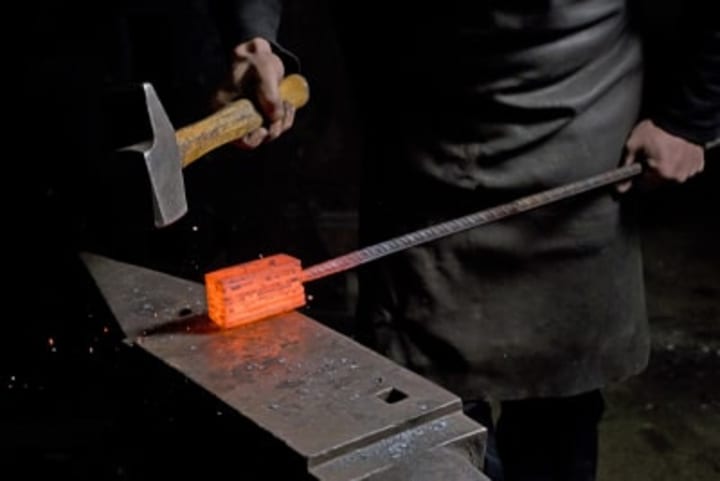
- Heat and hammer them together in a hot forge
- Fold the metal over and over, like kneading bread
- Finish by dipping in acid to make patterns pop
This way is faster and cheaper. You can find great modern Damascus knives online or in stores.
Side-by-Side Comparison: Ancient vs Modern
Let's make it easy with a quick list:
- How Patterns Form: Ancient: form natural crystals. Modern: from folding layers.
- Strength Source: Ancient: special tiny crystals. Modern: strong layers (very good, but different).
- Materials: Ancient: rare Indian iron. Modern: common steels anyone can buy.
- Rarity and Price: Ancient: super rare and expensive. Modern: widely available, affordable.
- Main Uses: Ancient: battle swords. Modern: kitchen tools, hunting, or display.
- Hold a sharp edge longer, so less sharpening.
- Flexible layers prevent easy breaking.
- Stunning patterns make them fun to use or show off.
- Great balance for comfortable handling.
Both are beautiful and useful, but Modern is a clever copy, not the exact original.
Busting Popular Myths
Stories about Damascus steel can get exaggerated. Here's the truth:
Myth: These blades cut through anything, even rock!
Truth: They're sharp and tough, but not superhuman. Ancient ones were better than normal metal, but could still chip. Modern ones excel at everyday tasks like slicing food.
Myth: All Damascus comes from Syria.
Truth: Named after the city, but started in India.
Myth: Modern Damascus is fake or weak.
Truth: It's real and reliable! Many tests show it stays sharp and strong with care.
Myth: The ancient recipe is gone forever.
Truth: Scientists have recreated something similar in labs, but it's too tricky for big production.
Why Pick a Damascus Knife? Real Benefits
These knives aren't just pretty, they help in daily life:
Start with a chef's knife if you're new; it makes cooking easier and safer.
Easy Care Tips for Your Knife
Keep it shining and sharp with these steps:
- Wash by hand with mild soap right after use. Dry immediately, no dishwasher!
- Store in a block or sleeve to protect the blade.
- Sharpen gently with a stone, not rough tools.
- Oil the blade lightly now and then to prevent rust.
- Avoid hard things like bones or frozen food.
Good care means your knife can last a lifetime!
Final Thoughts
Ancient Damascus was a lost wonder of the past, full of mystery. Modern versions bring that beauty and usefulness to everyone today. They're not identical, but both show how clever people are at working with metal.
Understanding the truth helps you appreciate these knives more and choose one that fits your needs. Damascus steel reminds us that old ideas can inspire amazing things now.
What do you think about these patterned blades? Have you used one? Share below!
About the Creator
Keep reading
More stories from writers in Feast and other communities.
Australia Fish and Seafood Market 2026: Sustainable Consumption, Aquaculture Growth & Premium Seafood Demand
Australia Fish and Seafood Market Australia’s fish and seafood market is expanding steadily as consumers increasingly prioritize high-quality protein sources and sustainable food options. Fish and seafood products—including salmon, tuna, shrimp, shellfish and other marine species—play a vital role in the Australian diet due to their nutritional value and culinary versatility. Growing awareness of seafood’s health benefits, particularly its omega-3 fatty acids, vitamins and minerals, is driving consumption across households, restaurants and foodservice channels.
By Amyra Singha day ago in Feast
Why Matar Paneer Is India’s Ultimate Vegetarian Curry
There are some dishes that do more than just satisfy hunger — they create memories. For many Indian families, Matar Paneer is one such dish. It is warm, comforting, and deeply rooted in North Indian cuisine. Whether served during a Sunday family lunch or at a festive gathering, this simple yet rich curry has a way of bringing people together.
By Gaurav Gupta4 days ago in Feast



Comments
There are no comments for this story
Be the first to respond and start the conversation.