
I Ate Meat and Eggs For a Year - Here's the Truth No One Talks About
What I Learned the Hard Way - So You Don't Have To


Introduction
In recent years, eating more meat and eggs has become trendy. Terms like the carnivore diet and keto diet boost their popularity. Many jump into these plans hoping to lose weight or get healthier. I decided to try eating only meat and eggs for an entire year. It was a wild ride filled with surprises and tough questions.
While many swear by these diets, myths still float around. Some say it's the ultimate health fix, others warn about big risks. What’s the real truth? This article lays it all out — the good, the bad, and the unexpected. If you're curious about what such a diet truly involves, keep reading.
The Motivation Behind a Year of Eating Meat and Eggs
Why I Chose This Diet
My goal was simple: see if I could improve my health, boost my energy, and understand what eating this way is really like. I was also curious about the hype surrounding carnivore and keto diets. Ethical concerns played a part, too, especially about sustainable farming and animal welfare.
Setting Expectations and Goals
Before starting, I set manageable goals. I wanted weight loss, better mental focus, and to see how my body responded. I planned my meals carefully and tracked progress weekly. This helped me stay honest with myself and know when something was working or not.
Health Impacts of a Year on Meat and Eggs
Physical Health Outcomes
At first, I lost some weight. My muscles looked more defined, and I felt a surge of energy. But I also noticed my digestion slowed down, and my gut didn't feel as happy. Over time, my chronic joint pain eased up, but I also experienced fatigue during some months.
Nutritional Considerations
Eating only meat and eggs meant I skipped fiber, found in fruits and veggies. I worried about missing antioxidants too. Blood tests revealed high cholesterol but also stable blood sugar levels. I felt more alert but sometimes lacked certain vitamins, like Vitamin C.
Mental and Cognitive Effects
My focus sharpened after a few weeks. I felt clearer and less distracted. But after a while, I noticed mood swings and occasional brain fog, especially on days I didn't stick to high-quality meat sources. Overall, mental clarity was promising but not perfect.
The Unspoken Challenges and Realities
Social and Lifestyle Challenges
Eating this way made socializing tricky. Going out for meals meant I had to bring my own food or skip. Family gatherings sometimes felt awkward, especially when everyone else ate normal. It tested my patience and social skills.
Practical Daily Life Tips
Meal prep mattered. I sourced high-quality, grass-fed beef and free-range eggs to avoid unwanted chemicals. I learned to cook simple, satisfying meals to fight boredom. Cravings for carbs sometimes hit, but hot coffee helped.
Physical Side Effects and Discomforts
The first few weeks felt rough — like keto flu. Headaches, fatigue, and irritability popped up. Some long-term side effects included dry skin and occasional constipation. Paying attention to hydration helped, but recovery was slow.
The Controversial and Uncommon Truths
Ethical and Environmental Considerations
High meat intake weighs heavily on the environment. Factory farming uses tons of resources. While I tried to buy sustainably sourced meat, it wasn’t always possible. This raised questions about long-term sustainability.
Long-Term Health Risks and Benefits
There’s little long-term research on high-meat diets. Some studies warn about heart disease risks, especially with processed meats. Others argue that being low-carb and high-protein improves lifespan. The truth is, science still debates these points.
Economic Impacts
Meat and eggs can get expensive fast. Buying quality, organic products costs more than cheap options. For many, this diet isn’t financially sustainable long-term. Comparing costs with a balanced diet showed it can strain your wallet.
Insights from Experts and Scientific Studies
What Nutritionists Say
Most dietitians advise caution with exclusive meat eating. They warn about risks of vitamin deficiencies and gut health issues. Some say it's okay short-term but dangerous long-term without careful supplementation.
Relevant Scientific Research
Recent studies show ketogenic and carnivore diets improve weight and blood sugar temporarily. But they also link high red meat consumption with increased heart risks. Data suggests balance remains key for longevity and overall health.
Actionable Tips for Considering a Meat and Eggs Diet
- Always choose high-quality, ethically raised meats.
- Track your health markers regularly — blood pressure, cholesterol, vitamins.
- Introduce variety: include organ meats and eggs from different sources.
- Be mindful of signals your body sends — fatigue, skin issues, mood swings.
- Consider consulting a healthcare provider before making big changes.
Conclusion
A year of eating only meat and eggs taught me plenty. The diet brought some health benefits like weight loss and mental clarity. But it also introduced social hurdles, nutritional gaps, and environmental concerns.
Sustaining this diet long-term isn’t easy or always advisable. It’s vital to listen to your body and make informed choices. If you’re curious about trying something extreme, do your homework first. Talk to a healthcare professional. Your health depends on knowing the facts — not just following trends.
About the Creator
vijay sam
🚀 Sharing proven affiliate marketing tips, smartlink strategies, and traffic hacks that convert. Follow for insights, tools, and real results to help you earn smarter—whether you're just starting or scaling up!
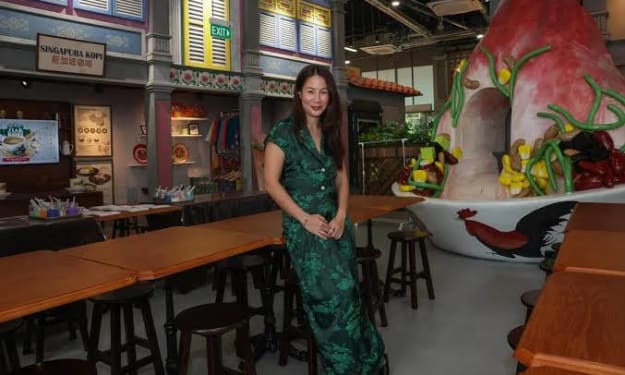
Widow invests $800,000 to start hawker culture experience centre in honour of late husband
In a touching tribute to love, memory, and cultural heritage, a Singaporean widow has invested nearly $800,000 to establish a hawker culture experience centre dedicated to preserving and celebrating the vibrant food traditions that her late husband cherished throughout his life. The centre, which opened recently in Singapore, aims to provide visitors with an immersive journey into the country’s beloved hawker culture while honouring the legacy of a man who spent decades supporting local food vendors. The project was initiated by Lim Mei Hua, whose husband, Tan Wei Chong, passed away three years ago after a long illness. Tan was widely known among friends and family as a passionate supporter of traditional hawker stalls and frequently spent his weekends exploring different food centres across Singapore. According to Lim, the idea of creating a space dedicated to hawker heritage had long been one of her husband’s dreams. “He always believed that hawker culture was the heart of Singapore,” Lim said during the centre’s opening ceremony. “After he passed away, I wanted to do something meaningful that would keep his passion alive and allow future generations to understand why these traditions matter.” Singapore’s hawker culture is a cornerstone of the nation’s identity. The bustling open-air food centres, filled with vendors serving affordable and diverse dishes, reflect the multicultural roots of the country. In recognition of its cultural importance, UNESCO added Singapore’s hawker culture to its Representative List of the Intangible Cultural Heritage of Humanity in 2020. Lim’s experience centre is designed to showcase this heritage through interactive exhibits, live cooking demonstrations, and storytelling sessions led by veteran hawkers. Visitors can learn about the origins of iconic dishes such as Hainanese chicken rice, Laksa, and Char kway teow, while also exploring the personal journeys of the hawkers who prepare them. The centre includes a small exhibition gallery featuring photographs, kitchen tools, and handwritten recipes collected from hawker families across the city. Many of these items date back decades, offering a glimpse into how culinary traditions have been passed down through generations. One section of the centre recreates a traditional hawker stall environment, allowing visitors to experience what it feels like to work behind the counter during a busy lunch rush. Young participants can try their hand at simple cooking techniques while learning about the discipline and dedication required to master hawker cuisine. Local hawkers have warmly welcomed the initiative. Many worry that younger generations may be less interested in taking over family stalls, which often involve long hours and physically demanding work. By highlighting the cultural significance of these businesses, Lim hopes the centre will inspire renewed appreciation among the public. “Hawker food is not just about eating,” said veteran vendor Ong Kee, who participated in one of the centre’s demonstration sessions. “It’s about history, family, and community. Places like this help remind people why our traditions should continue.” Beyond cultural preservation, the experience centre also aims to support hawkers economically. A portion of ticket sales will be directed toward training programs for aspiring food vendors, helping them learn both traditional recipes and modern business skills. Lim believes this approach can help sustain the industry while adapting to changing times. Tourism officials in Singapore have also expressed optimism about the centre’s potential to attract international visitors interested in culinary experiences. Food tourism has become an increasingly important part of the country’s travel industry, with visitors eager to explore authentic local cuisine. For Lim, however, the centre’s true purpose goes far beyond tourism or business success. Every corner of the space reflects memories of her husband—his favorite dishes, the stalls he frequently visited, and the stories he loved to share. “Whenever I see people enjoying the exhibits or learning about hawker culture, I feel like his spirit is still here,” she said quietly. “This place is not just about the past. It’s about keeping something precious alive.” Through her remarkable gesture, Lim has transformed personal grief into a lasting tribute that celebrates love, heritage, and the enduring power of food to bring communities together. Her $800,000 investment ensures that the spirit of Singapore’s hawker culture—and the memory of the man who cherished it—will continue inspiring generations to come.
By Fiaz Ahmed 6 days ago in Feast
Australia Fish and Seafood Market 2026: Sustainable Consumption, Aquaculture Growth & Premium Seafood Demand
Australia Fish and Seafood Market Australia’s fish and seafood market is expanding steadily as consumers increasingly prioritize high-quality protein sources and sustainable food options. Fish and seafood products—including salmon, tuna, shrimp, shellfish and other marine species—play a vital role in the Australian diet due to their nutritional value and culinary versatility. Growing awareness of seafood’s health benefits, particularly its omega-3 fatty acids, vitamins and minerals, is driving consumption across households, restaurants and foodservice channels.
By Amyra Singh8 days ago in Feast
A More Human Vocal
When we launched Vocal nearly a decade ago, the world was a very different place. LLMs did not exist, and stories were created one at a time by people sitting down to write, revise, and share something personal. Many of our assumptions about publishing, trust, and participation were built for a world where effort and output were inseparable.
By Justin @ Vocal7 days ago in Resources



Comments (1)
Trying a meat-and-eggs diet for a year sounds intense. You had some good results like weight loss and clearer focus, but also issues like slowed digestion. I'm curious how you balanced the lack of fiber and vitamins. Did you take supplements? And how did you deal with the cholesterol increase?